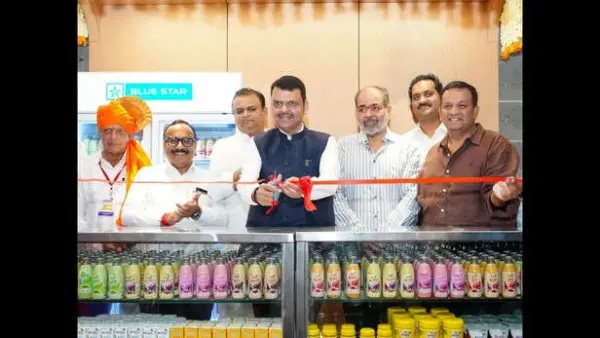




Maharashtra Chief Minister Devendra Fadnavis opens a strategic Warana outlet inside the high-traffic CSMT underground station to capture prime urban consumer transit margins.
The retail and commercial architecture of India’s urban transit systems is emerging as a critical frontier for cooperative dairy supply chains seeking direct integration into major metropolitan demand hubs. Maharashtra Chief Minister Devendra Fadnavis officially inaugurated a modern milk and specialized dairy products sales center established by Shri Warana Sahakari Dudhutpadak Prakriya Sangh Ltd. inside the Chhatrapati Shivaji Maharaj Terminus (CSMT) metro station in Mumbai. Strategically positioned along Mumbai Metro Line 3—recognized as Asia’s longest single underground metro corridor—the installation marks a major structural shift in how regional farm organizations capture value from dense urban commuter footfall.
This state-backed retail initiative functions as a high-volume commercial pipeline, directly connecting thousands of rural livestock producers across the Kolhapur district to millions of daily transit passengers. Historically, regional cooperatives relied on complex, multi-tiered wholesale distribution chains to move fluid milk into the capital city, often sacrificing premium margins to intermediate logistics brokers. By anchoring a dedicated flagship retail store directly within the municipal subway grid, the Warana Group can bypass traditional commercial bottlenecks and capture the high-frequency retail spending that defines Mumbai’s modern commuter routine.
From an economic perspective, the integration of cooperative dairy outlets into advanced metro networks is laying the groundwork for an entirely new transit economy. Government officials present at the launch event, including Assembly Speaker Rahul Narwekar and Minister Atul Save, noted that transforming metro hubs into food and retail platforms acts as a powerful catalyst for localized employment and public revenue generation. For primary producers, these public-private logistics partnerships transform transit spaces from basic transportation infrastructure into highly lucrative, recurring revenue hubs that consistently reinforce farmgate economic security.
The underlying corporate development emphasizes a strong commitment to rural development, fair pricing systems, and the structural empowerment of village-level women’s self-help groups. Chief Minister Fadnavis lauded the new retail asset as a visible symbol of farmers’ pride and a major operational victory for Maharashtra’s historic cooperative movement. By maintaining full operational control over the downstream marketing ecosystem, the Warana cooperative ensures that a significantly higher share of the urban retail price is retained locally, providing rural households with a reliable buffer against volatile global commodity input cycles.
Looking ahead, the success of the CSMT underground station pilot is projected to serve as a definitive blueprint for the rapid expansion of cooperative dairy brands across India’s modern urban infrastructure. State planners are already discussing plans to establish similar specialized cooperative milk stalls across all upcoming metro stations throughout the wider Mumbai municipal zone. Ultimately, this structural alignment demonstrates that the future of the domestic dairy market will be dominated by agile, vertically integrated farmer organizations that possess the advanced logistics capabilities required to deliver fresh, safe nutrition directly to the urban consumer.
Source: Dailyhunt via Indiatimes Epaper
You can now read the most important #news on #eDairyNews #Whatsapp channels!!!
eDairy News ÍNDIA: https://whatsapp.com/channel/0029VaPidCcGpLHImBQk6x1F