


Underutilized cooperative feed and mineral plants force Indian dairy producers onto expensive commercial supplements.
Cooperative cattle feed manufacturing facilities in Tamil Nadu operate at just 28 percent of their installed capacity, creating severe supply shortages across regional milk sheds. Monthly production across the three state-owned feed mills averages roughly 5,500 tonnes against a combined monthly infrastructure capacity of 19,500 tonnes. Individual site utilization reveals stark operational deficits, with the Pudukudi processing unit producing barely 500 tonnes per month against a 9,000-tonne design rating, while the Virudhunagar plant generates 150 tonnes out of a possible 1,500 tonnes.
Production bottlenecks are even more severe across specialized mineral mixture plants, where combined output operates below 3 percent of designed throughput. The five regional processing facilities yield between 42 and 45 tonnes of mineral mixture per month, compared to an aggregate installed capacity of 1,800 tonnes. Severe operational slowdowns at sites such as Tiruchy, which recorded zero production during recent operating cycles, leave dairy herds without reliable access to essential dietary micro-nutrients required to sustain biological yield.
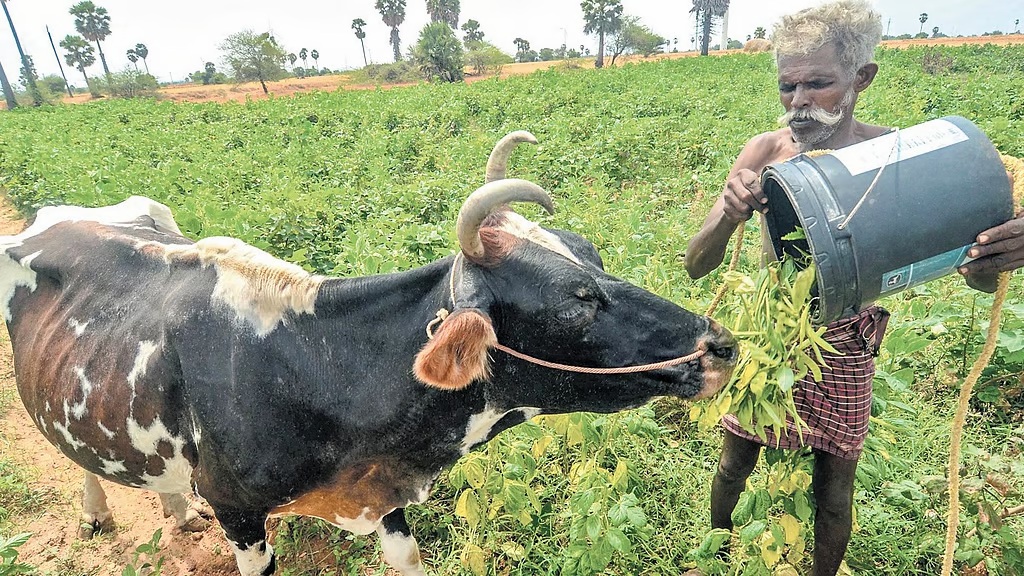
Capital allocation exceeding 120 crore rupees from the NABARD Rural Infrastructure Development Fund was previously deployed to build these state-of-the-art milling and supplement units. However, persistent operational underperformance by private management contractors continues to restrict subsidized supply distributions to primary producers. The resulting reliance on commercial suppliers forces dairy farmers to absorb market rate feed and supplement expenses, driving up total milk production overhead.
Commercial mineral supplement costs have surged 30 percent in recent months, reaching price points between 125 and 250 rupees per kilogram. Inadequate intake of balanced concentrates and mineral complexes directly impairs fat content and solids-not-fat (SNF) levels in raw milk, reducing the quality grade of farmgate deliveries. Without access to state-subsidized feed mixtures designed to cushion input volatility, livestock health and overall daily milk yields face mounting structural pressure.
Widening input deficits compound severe farmgate margin compression across southern India’s cooperative supply networks. Actual milk production costs now hover between 55 and 60 rupees per litre, vastly exceeding cooperative procurement payouts of 38 rupees per litre for cow milk and 47 rupees per litre for buffalo milk. Reclaiming operational throughput across state feed processing assets remains critical to lowering herd maintenance costs and stabilizing farmgate milk margins.
Source: The New Indian Express
You can now read the most important #news on #eDairyNews #Whatsapp channels!!!
eDairy News ÍNDIA: https://whatsapp.com/channel/0029VaPidCcGpLHImBQk6x1F