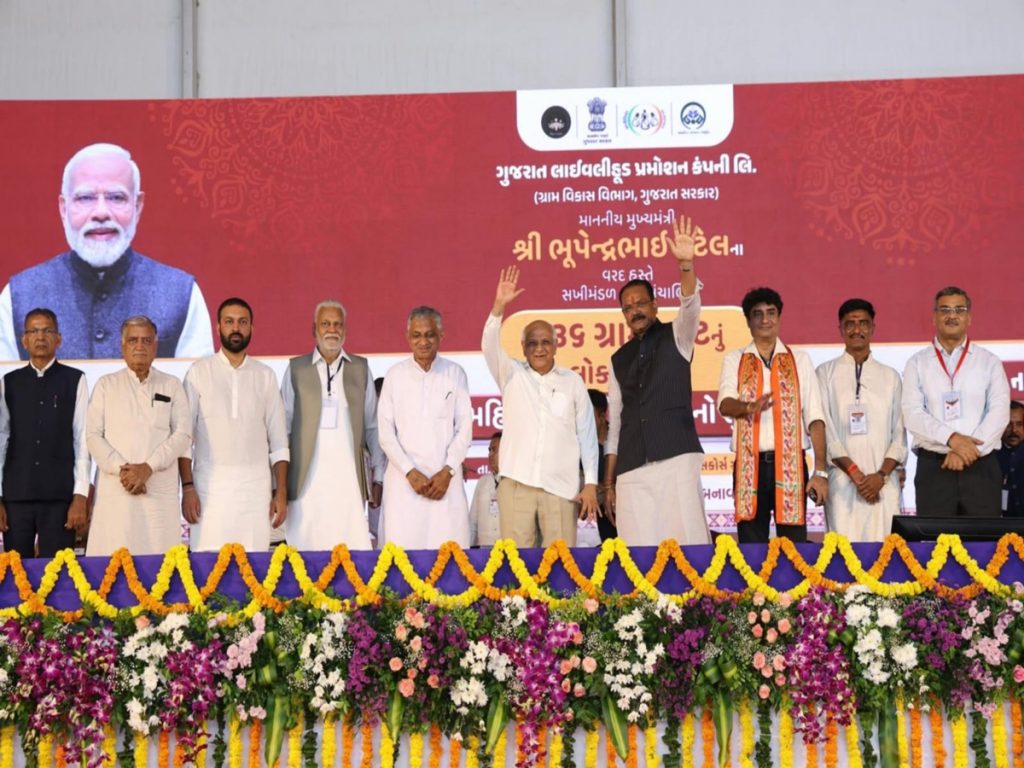

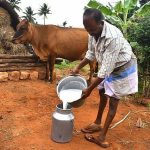


State departments formalize a strategic partnership in Rajkot to connect rural women dairy entrepreneurs with institutional credit, veterinary healthcare, and cooperative value chains.
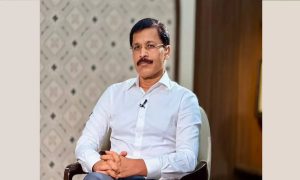
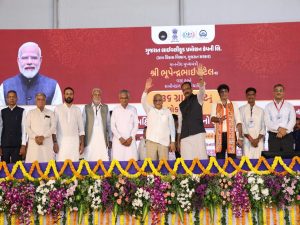
The Government of Gujarat has executed a comprehensive tripartite Memorandum of Understanding (MoU) in Rajkot designed to accelerate the economic empowerment of rural women milk producers and scale dairy-based entrepreneurship. Formalized in the presence of Gujarat Chief Minister Bhupendra Patel and Animal Husbandry and Rural Development Minister Jitu Vaghani, the agreement establishes an inter-departmental framework uniting the Gujarat Livelihood Promotion Company (GLPC), the Cooperation Department, and the Animal Husbandry Department. The coordinated initiative aims to systematically integrate women-led dairy self-help groups into the organized cooperative sector, improving access to formal bank credit, state interest subsidies, veterinary healthcare, and livestock breed improvement programs. State and district-level coordination committees have been commissioned to oversee implementation, ensuring direct alignment between grassroots self-help networks and apex dairy institutions.
From an animal husbandry and milk collection perspective, the initiative focuses on modernizing on-farm management through scientific herd health protocols and quality-based intake. Under the terms of the pact, the Animal Husbandry Department will deliver structured technical assistance to rural women, including targeted vaccination, routine deworming schedules, animal selection advisory, and artificial insemination services utilizing superior genetics. Elevating biological productivity and lactation persistency at the village level is critical for expanding daily milk collections and lowering unit production costs per animal. Simultaneously, introducing automated milk testing equipment and digital lactometers at village collection points enables women producers to receive accurate, transparent payouts based on butterfat and solids-not-fat (SNF) metrics, preventing margin leakage at the procurement desk.
Beyond primary milk production, the strategic pact actively encourages women’s producer collectives to capture downstream value across the broader dairy supply chain. Historically, smallholder dairy programs in developing regions have remained restricted to baseline fluid milk aggregation, leaving secondary processing and manufacturing margins with midstream commercial operators. Under the new framework, the Cooperation Department will formally link women’s producer groups directly with primary dairy cooperative societies (MPCS) and district cooperative milk unions. Participating groups will receive administrative and technical backing to undertake collective procurement of cattle feed concentrates, establish community chilling facilities, and venture into local processing, packaging, and marketing of regional dairy products. Moving into value-added categories allows rural enterprises to capture higher retail realizations, insulating household revenues from seasonal raw milk price swings.
From a rural credit and enterprise finance perspective, the tripartite structure directly addresses the structural liquidity barriers that have constrained women livestock keepers. While women perform the vast majority of daily animal husbandry tasks in rural India, lack of formal land or livestock title has historically restricted their ability to secure collateral-backed commercial loans, leaving them dependent on informal credit channels with elevated interest rates. Under the agreement, the GLPC will identify eligible women producers, organize them into formal dairy collectives, and facilitate access to institutional bank credit paired with applicable government interest subvention schemes. Building formal credit histories and direct bank accounts not only enables producers to acquire high-yielding milch cattle and modern milking machines, but also strengthens the financial autonomy and balance sheet resilience of rural households.
At the farmgate level, the policy intervention marks a structural transition from unorganized household labor toward recognized, equity-owning dairy entrepreneurship in India’s leading cooperative state. Gujarat’s dairy economy, which laid the historical foundation for the White Revolution, relies heavily on millions of rural women managing family herds of two to five cattle or buffaloes. By converting that daily labor into formal cooperative membership, voting representation, and transparent direct-benefit payment disbursements, the state reinforces the grassroots foundation of its dairy procurement shed. Ensuring that veterinary support, low-cost capital, and market linkages reach village collection booths will be essential to sustaining rural livelihoods, curbing youth rural-to-urban migration, and driving sustainable milk output growth across Gujarat heading into 2027.
Source: ANI News
You can now read the most important #news on #eDairyNews #Whatsapp channels!!!
🇮🇳 eDairy News ÍNDIA: https://whatsapp.com/channel/0029VaPidCcGpLHImBQk6x1F