

Unadjusted retail subsidies, uncompetitive farmgate prices, and a 4-lakh-litre daily shortfall trigger Aavin’s worst financial performance since the pandemic.
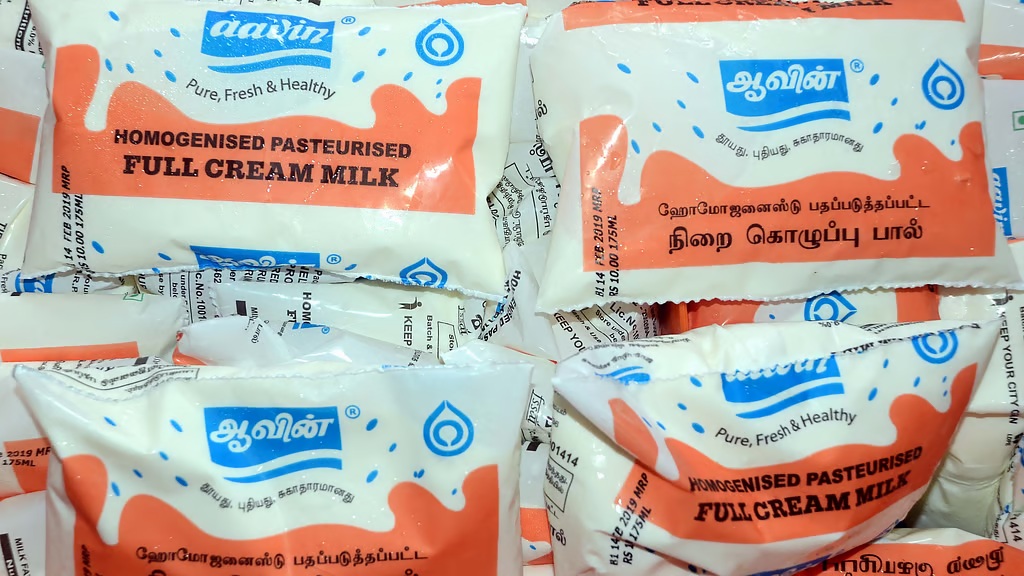
Reporting by B Anbuselvan for The Indian Express details a severe financial squeeze on Tamil Nadu’s apex dairy cooperative, the Aavin Federation. Unaudited figures for the 2025–26 fiscal year reveal a combined annual loss of approximately ₹143 crore across the cooperative network. The central federation—which supplies roughly 12.5 lakh litres of liquid milk daily to Chennai—accounted for ₹120 crore of the total deficit, while seven district unions (including Coimbatore, Krishnagiri, and Virudhunagar) posted another ₹23 crore in losses, eclipsing the ₹53.2 crore profit generated by 20 other district unions.
The primary catalyst behind the swelling deficit is a widening gap between production costs and fixed retail prices. While private dairies across South India raised consumer prices to absorb feed inflation, Aavin continued selling milk under heavily subsidized card schemes without a corresponding price revision. Proposals submitted by cooperative leadership during early 2025–26 to lift procurement and retail prices by ₹2 to ₹3 per litre were deferred ahead of state elections, forcing the federation to absorb operational shortfalls.
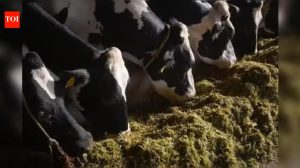
Compounding the financial pressure is an ongoing contraction in raw milk procurement. Aavin’s average daily procurement dropped from ~36 lakh litres in 2024–25 to 31–32 lakh litres, leaving the system short by roughly 4 lakh litres per day. Because private processors offer higher farmgate prices, rural dairy farmers have diverted raw milk away from cooperative collection centers, severely restricting Aavin’s raw material pool.
The raw milk deficit has disrupted production of high-margin value-added dairy products (VAP) like ghee, butter, curd, and ice cream. To meet mandatory liquid milk supply commitments in Chennai, Aavin has been forced to increasingly reconstitute liquid milk using skimmed milk powder (SMP) and butter, driving processing costs significantly above final retail realization rates and eroding operating margins.
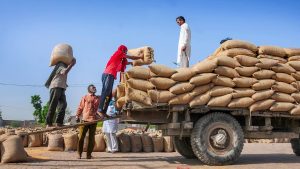
To stem further financial deterioration, Aavin officials have proposed revising subsidized card schemes, expanding high-margin product sales, and restructuring primary cooperative societies. However, producer groups emphasize that unless the state government raises farmgate procurement rates to match rising cattle feed costs, Aavin will struggle to reverse its supply deficit and stabilize its core processing operations.
Source: The Indian Express
You can now read the most important #news on #eDairyNews #Whatsapp channels!!!
eDairy News ÍNDIA: https://whatsapp.com/channel/0029VaPidCcGpLHImBQk6x1F