


Anchored by NDDB, a national multi-state cooperative network across nine states aims to integrate 20,000 village-level societies and raise producer payouts.
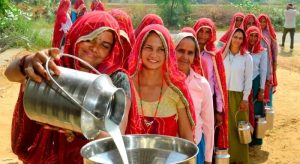
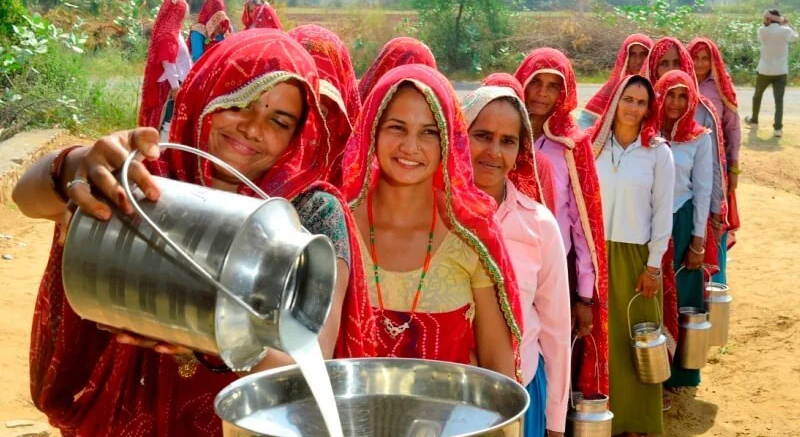
India is accelerating the institutional expansion of its cooperative dairy ecosystem through the Cooperative Milk Producers’ Organization Multi-State Limited, a national apex entity anchored by the National Dairy Development Board (NDDB) in Anand, Gujarat. Operating in alignment with the Union Ministry of Cooperation’s broader “Sahkar Se Samriddhi” mandate, the ambitious multi-state initiative is structured to integrate fragmented milk pooling centers across nine key dairying states: Andhra Pradesh, Bihar, Gujarat, Maharashtra, Madhya Pradesh, Punjab, Rajasthan, Uttar Pradesh, and West Bengal. By federating an estimated 20,000 multipurpose Village Cooperative Societies (VCS), the project aims to bring millions of unorganized smallholder dairy producers into a formal, transparent procurement grid that delivers direct market connectivity, reduces commercial exploitation, and eliminates opportunistic intermediate traders.
The central economic objective of the nationwide cooperative aggregation model is to enhance farmgate price realizations by transitioning liquid milk sales away from the informal open market. Union Home and Cooperation Minister Amit Shah highlighted the substantial financial disparity facing unorganized producers, noting that dairy farmers selling fluid milk to informal village traders or uncertified middlemen often receive depressed rates of around ₹35 per liter. Conversely, integrating those same producers into a formal, technologically monitored cooperative structure allows them to realize remunerative base prices and component dividends reaching up to ₹55 per liter. While final farmgate payouts are intrinsically governed by laboratory-tested fat and solids-not-fat (SNF) metrics, the removal of intermediary commissions provides immediate, tangible balance sheet support to rural households.
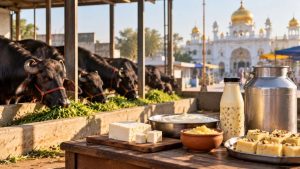
From an industrial processing and supply chain logistics standpoint, integrating 20,000 village-level societies establishes the critical volume density necessary to optimize regional cold-chain assets and processing plants. In nhiều developing milk sheds across northern and eastern India, milk collected without immediate chilling suffers from rapid bacterial proliferation and acidity development, degrading its commercial suitability for high-value dairy processing. Linking village pooling points to automated bulk milk coolers (BMCs) and insulated road tankers ensures that raw milk is chilled to 4°C within hours of milking. Delivering cold, high-quality raw milk to regional cooperative dairies enhances vat yields in cheese and paneer manufacturing, optimizes spray drying efficiency for skim milk powders, and reduces processing waste across automated bottling lines.
From an enterprise finance and cooperative governance perspective, standardizing milk procurement across multi-state boundaries mitigates commercial counterparty risks and reinforces working capital reserves. Historically, localized dairy societies often faced chronic working capital deficits, irregular audit procedures, and delayed payment cycles that discouraged smallholder loyalty and allowed private traders to poach local supply during the winter flush. Backed by the financial architecture and institutional oversight of NDDB, the multi-state cooperative structure implements automated milk testing, computerized weight verification, and direct benefit transfers straight into producer bank accounts. This operational transparency prevents measurement fraud, strengthens financial audit compliance, and unlocks institutional credit lines for member societies to finance bulk feed purchases and artificial insemination services.
At the farmgate procurement level, expanding structured cooperative networks provides the economic foundation required to protect smallholder dairy livelihoods against severe cost inflation. Across India’s agrarian heartland, landless, marginal, and female dairy producers rely on twice-daily milk checks to purchase compound livestock feed, manage veterinary outlays, and fund essential household expenditures. Providing guaranteed, transparent off-take agreements insulates producers from erratic open-market price collapses during seasonal production gluts. Heading into 2027, the disciplined rollout of the 20,000 multipurpose village societies will remain a cornerstone in formalizing the Indian dairy sector, boosting smallholder bargaining power, and driving sustainable socioeconomic development across rural communities.
Source: Indian Cooperative
You can now read the most important #news on #eDairyNews #Whatsapp channels!!!
🇮🇳 eDairy News ÍNDIA: https://whatsapp.com/channel/0029VaPidCcGpLHImBQk6x1F