



Maharashtra animal husbandry department rolls out Mission Murghas to subsidize silage and protect dairy farm incomes amid severe drought.
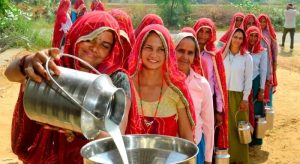
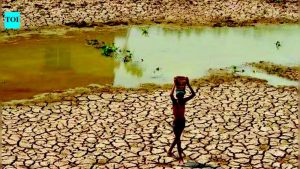
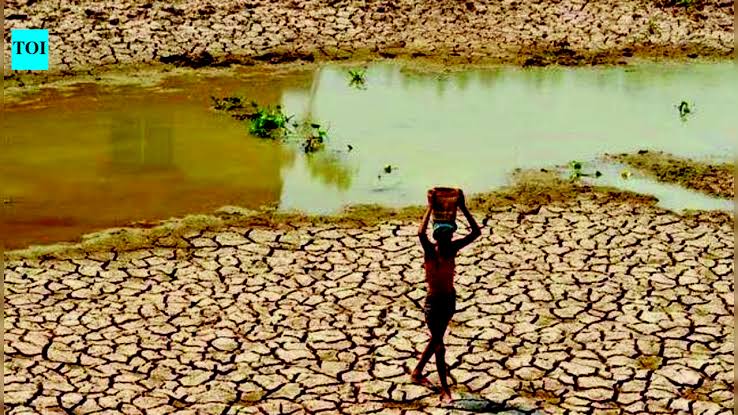
The Maharashtra State Animal Husbandry Department has launched ‘Mission Murghas’, an extensive fodder conservation initiative designed to shield commercial dairy producers and livestock owners from severe feed shortages across 19 districts in the drought-affected Marathwada and Vidarbha regions. With the state government officially declaring drought across 305 talukas, drying water bodies and failing forage crops threaten to trigger acute livestock malnutrition, sharply compress daily milk yields, and erode rural household cash flows. Under the newly introduced ‘Magel Tyala Murghas’ framework, eligible dairy farmers and livestock owners can claim a direct purchase subsidy of Rs 3 per kilogram of commercially sourced silage, calculated against a baseline feeding ration of five kilograms per animal per day over a critical 90-day seasonal window.
To ensure comprehensive financial backing for the drought intervention, state authorities have sanctioned an additional Rs 76.41 crore dedicated specifically to fodder cultivation and commercial silage production infrastructure. This allocation supplements the Rs 51.20 crore previously disbursed for fodder seed distribution ahead of the 2026-27 kharif agricultural season under the wider Vidarbha-Marathwada Dairy Development Project. Implemented in strategic partnership with the National Dairy Development Board (NDDB), the project represents an essential rural safety net, having already expanded its organized procurement network to 3,411 villages, onboarding roughly 35,000 smallholder milk producers, and handling average daily collections of 4.5 lakh kilograms of raw milk across central India.
From an animal nutrition and biochemical preservation standpoint, promoting scientific silage production provides an effective solution to bridge prolonged forage deficits. Silage utilizes anaerobic fermentation to preserve high-moisture green forages—primarily maize, forage sorghum, and hybrid Napier grass—retaining soluble carbohydrates, crude protein, and essential micronutrients that typically degrade during dry-hay curing or prolonged field stover grazing. Animal nutrition specialists and agricultural scientists from Krishi Vigyan Kendras are organizing village-level demonstrations to train farm operators in optimal crop maturity harvesting, precision chopping, high-density compaction, and airtight sealing within dedicated pit and bag silos. Providing balanced, fermentable forage stabilizes rumen pH, prevents lactation crashes, and curtails involuntary herd culling during severe dry spells.
From an enterprise finance and cooperative supply chain perspective, structured fodder subsidies protect dairy farm liquidity and insulate rural balance sheets from predatory spot feed markets. Acute regional forage shortages frequently force small and marginal producers into distress purchases of low-quality commercial roughage at inflated prices, transforming profitable milking operations into loss-making enterprises. Distributing subsidy entitlements directly into farmer bank accounts through the Direct Benefit Transfer (DBT) mechanism ensures financial transparency and accelerates cash disbursements. Maintaining uninterrupted milk output directly supports cooperative processing assets, protecting capacity utilization across chilling plants and preventing volumetric procurement shortfalls for regional dairy federations.
At the farmgate procurement level, establishing long-term fodder security is fundamental to maintaining rural economic resilience across Maharashtra’s semi-arid dairying belts. Total annual milk production across the state reached 166.26 lakh metric tonnes in 2024-25, serving as the primary source of regular, non-seasonal household income for millions of rural families. Without access to affordable preserved forage, smallholders risk significant capital destruction through herd liquidation and unserviceable livestock loans. Heading into 2027, the operational success of Mission Murghas will depend on rapid field deployment of chopping machinery, rigorous monitoring of silage nutritional quality, and reliable cooperative off-take agreements, ensuring sustainable production margins and safeguarding the economic future of rural dairy producers.
Source: The Times of India
You can now read the most important #news on #eDairyNews #Whatsapp channels!!!
🇮🇳 eDairy News ÍNDIA: https://whatsapp.com/channel/0029VaPidCcGpLHImBQk6x1F