



The state’s Food and Drug Administration enforces a strict zero-tolerance crackdown on chemical-laden synthetic milk and supply chain violations.
The Maharashtra Food and Drug Administration (FDA) has launched a sweeping, state-wide crackdown on milk adulteration and synthetic milk production. Under a strict new regulatory compliance framework spearheaded by FDA Commissioner Tukaram Mundhe, uniform food safety mandates will now govern every stage of the dairy supply chain. This aggressive intervention applies immediately to milk collection centers, cold storage chilling installations, processing units, transporters, distributors, and end-market retailers following widespread compliance violations unearthed during recent field audits.
Recent state inspections revealed systemic irregularities that directly threaten both public health and regional market integrity. Investigators documented multiple operations selling milk without valid legal licenses, diluting raw volumes with water, and failing to maintain prescribed fat and solids-not-fat (SNF) metrics. Most alarmingly, the FDA uncovered illicit synthetic milk production networks utilizing toxic chemical additives—including urea, detergents, caustic soda, starch, glucose, hydrogen peroxide, and formalin—to artificially mimic genuine dairy profiles.
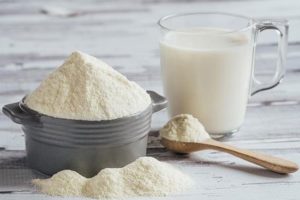
The regulatory probe also exposed widespread corporate and supply chain failures across various regional distribution networks. Authorities discovered instances where fake or reconstituted powder formulations were misleadingly marketed and sold as premium fresh milk to unsuspecting buyers. Additionally, laboratory analysis identified excessive antibiotic residues and hazardous aflatoxin contamination, alongside a widespread failure to maintain consistent cold chain temperatures and hygienic handling protocols during mass storage and transit.
To mitigate these food safety threats, the revised guidelines impose strict operational boundaries on all regional dairy business operators. Raw liquid milk must now be explicitly labeled as “Raw Milk” with visible consumer warnings to boil it before use, while pasteurized milk can only be legally sold in fully sealed, tamper-evident packaging. Furthermore, all industry stakeholders are required to maintain strict temperature logs, implement complete source-to-sale traceability records, and guarantee that all food-handling staff possess valid health certificates and accredited training.
Looking ahead, the FDA plans to deploy intensified, risk-based surveillance campaigns during upcoming major regional festivals such as Diwali, Holi, and Navratri, when consumer demand for value-added dairy assets like paneer, ghee, and khoya spikes. State inspectors will leverage intensive field testing and randomized laboratory sampling to enforce the Food Safety and Standards Act of 2006, warning that non-compliance will trigger severe administrative, civil, and criminal prosecution. Consumers are urged to buy only verified, sealed products and actively flag suspected quality issues through the Food Safety and Standards Authority of India (FSSAI) grievance platforms.
Source: The CSR Journal
You can now read the most important #news on #eDairyNews #Whatsapp channels!!!
eDairy News ÍNDIA: https://whatsapp.com/channel/0029VaPidCcGpLHImBQk6x1F