


A high-level delegation from Kerala toured Banas Dairy in Gujarat to examine its cooperative milk procurement and processing model.
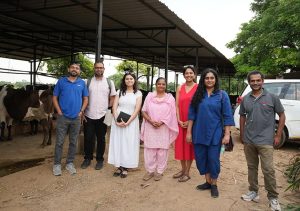
A senior six-member government delegation from Kerala, headed by Dairy Development, Milk Cooperatives, and Animal Husbandry Minister Bindhu Krishna, completed a comprehensive operational visit to Banas Dairy in Palanpur, Gujarat. The delegation sought to evaluate the structural and commercial mechanisms of the district cooperative union to determine how its organizational framework can be adapted within Kerala. Operating under the Gujarat Cooperative Milk Marketing Federation, Banas Dairy stands as one of Asia’s largest cooperative dairy enterprises, collecting between 8 million and 10 million liters of raw milk per day across thousands of village-level collection centers. Following intensive operational briefings, Minister Krishna characterized the institution as an exceptional national benchmark for procurement efficiency, logistics, and product diversification. The visit underscores an expanding inter-state push to adapt proven decentralized cooperative systems to stabilize domestic milk supply chains and raise farm incomes.
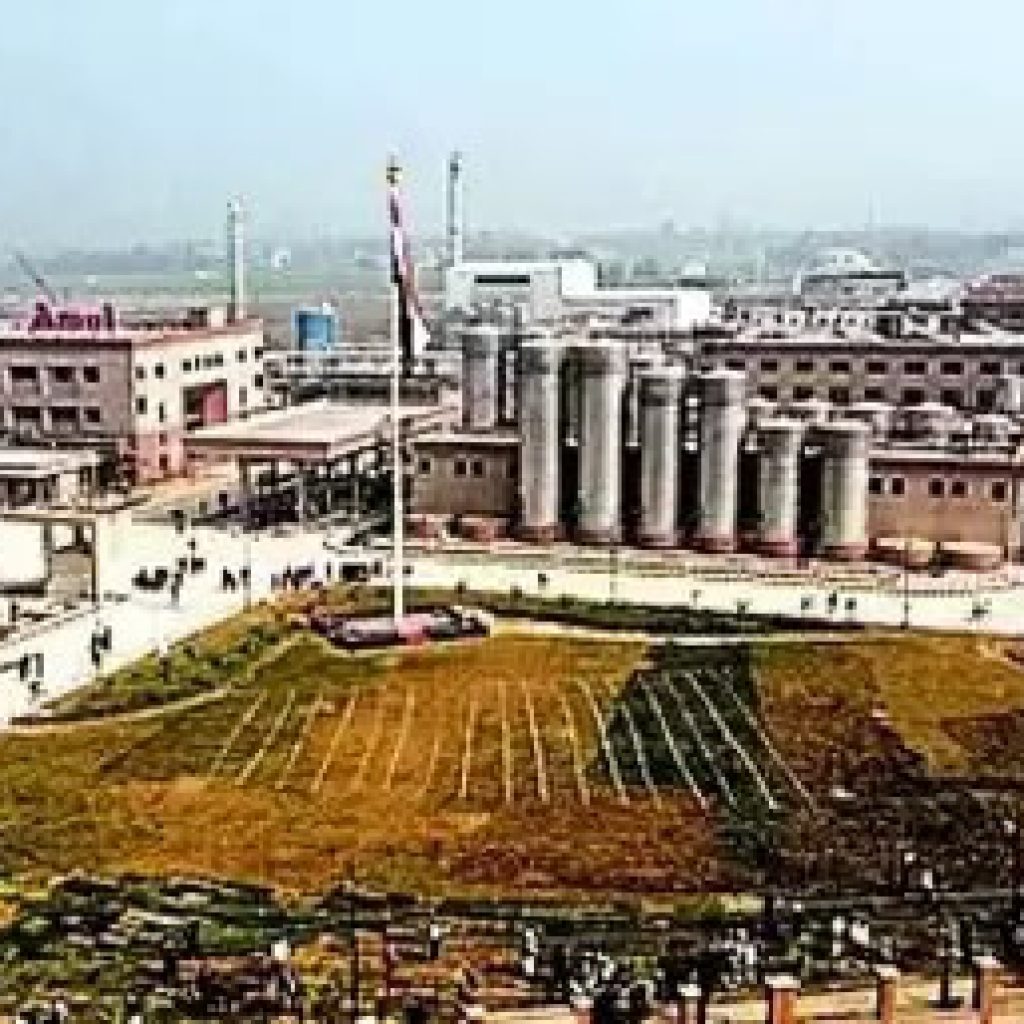
During the on-site assessments, the delegation conducted detailed technical reviews of key industrial assets, focusing on the cooperative’s Badarpura processing and cold storage facilities. The inspections examined fully automated milk reception lines, rapid bulk chilling infrastructure, and high-volume manufacturing facilities dedicated to value-added derivatives including milk powders, cheese, and butter. State delegates specifically analyzed how integrated processing complexes maintain uninterrupted cold chains across high-throughput distribution corridors while minimizing raw milk handling losses. In addition to primary dairy lines, the delegation reviewed integrated auxiliary infrastructure such as large-scale cattle feed compounding plants and cold storage units that reduce production costs for affiliated producers. Technical officers noted that establishing equivalent processing density and modern storage safeguards is essential to handling seasonal collection swings without degrading product quality.
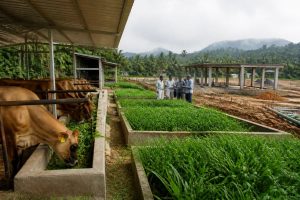
The strategic review comes as southern dairy markets, particularly Kerala, manage ongoing structural supply-demand imbalances driven by seasonal milk deficits and escalating operational costs. While regional cooperative networks continue to expand their retail distribution footprint, local dairy production frequently contends with severe shortages of high-quality green fodder and fragmented smallholder herd structures. Consequently, state milk processing units often depend on external inter-state liquid milk supplies to satisfy daily urban consumption during seasonal production dips. Adapting the Gujarat cooperative paradigm aims to resolve these supply vulnerabilities by establishing tighter aggregation schedules, standardized quality grading, and enhanced technical support at the village level. Industry analysts emphasize that building robust regional procurement networks allows local processors to capture higher market share against private dairy competitors.
From an economic perspective, the Banas model demonstrates the commercial viability of returning a dominant share of the consumer rupee directly to primary dairy producers. With annual turnover surpassing 18,000 crore rupees, the cooperative union relies on transparent, automated testing systems that compute milk payments strictly on fat and solids-not-fat content. This direct financial architecture eliminates intermediary margins, ensuring stable liquidity for hundreds of thousands of participating smallholder farmers. Replicating this fiscal transparency is considered crucial for southern cooperatives seeking to improve farmer retention and encourage capital reinvestment in herd genetics. Transparent payout mechanisms, paired with cooperative credit unions and input subsidies, create a self-sustaining financial ecosystem capable of buffering producers against volatile feed input inflation.
Moving forward, the Kerala administration plans to identify and integrate specific operational modules from the Banaskantha cooperative into its state dairy development roadmap. State leadership confirmed that while regional land constraints and climatic conditions require tailored implementation, the foundational tenets of village-level cooperative governance and professionalized management remain universally applicable. Priority will be directed toward strengthening village dairy cooperative societies, deploying automated procurement technologies, and establishing competitive cattle feed supply chains to lower on-farm expenditure. Fostering structured producer loyalty through timely bonus distributions and comprehensive veterinary extension services will form the cornerstone of Kerala’s strategy to achieve long-term milk self-sufficiency. By aligning state dairy infrastructure with proven cooperative manufacturing models, policymakers aim to construct a resilient production network capable of driving sustainable rural prosperity.
Source: The Times of India
You can now read the most important #news on #eDairyNews #Whatsapp channels!!!
🇮🇳 eDairy News ÍNDIA: https://whatsapp.com/channel/0029VaPidCcGpLHImBQk6x1F