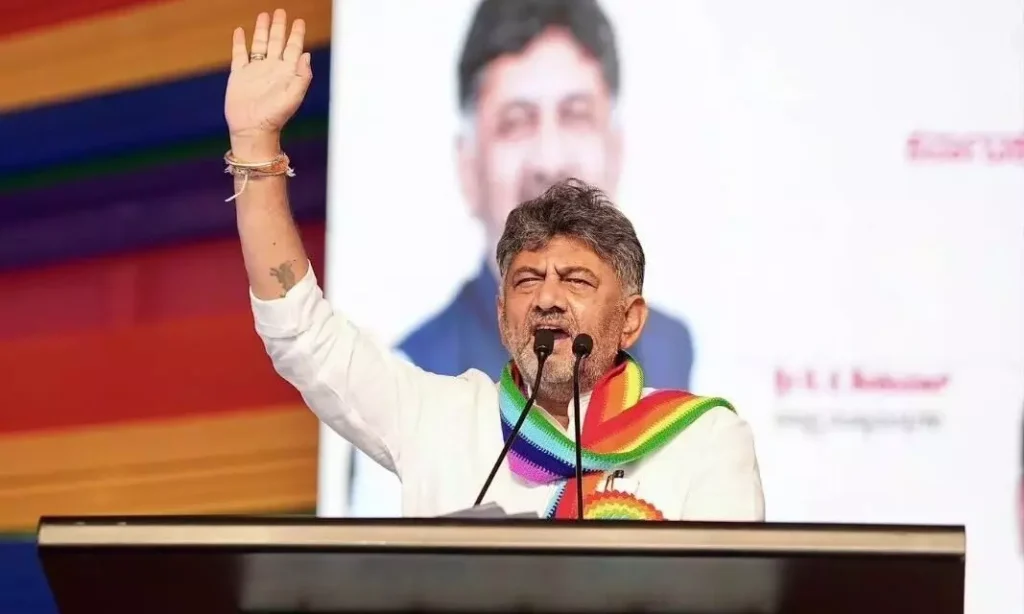



Chief Minister D.K. Shivakumar has tied any potential reduction in Nandini liquid milk prices to an equivalent downward revision by Gujarat-based cooperative giant Amul, defending farmer procurement payouts across Karnataka.
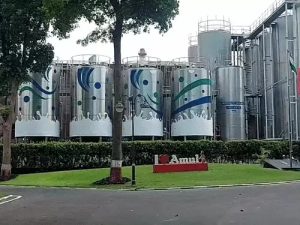
Karnataka Chief Minister D.K. Shivakumar stated that the state government will reduce retail prices for Nandini milk only if Prime Minister Narendra Modi lowers the price of Gujarat-based Amul milk first. Addressing a Cooperative Week event in Bengaluru alongside Cooperation Minister K.N. Rajanna and Karnataka State Cooperative Federation president G.T. Devegowda, Shivakumar directly linked Karnataka’s retail pricing trajectory to national dairy benchmarks. The remarks come amid sustained political pushback following the Karnataka Milk Federation’s (KMF) November 1, 2026 implementation of an ₹8 per liter retail price hike across Nandini fluid milk variants. By anchoring any potential rollback to Amul’s retail pricing, state leadership signaled that unilateral price cuts remain off the table while national dairy inflation persists.
Farmgate economics and producer margin protection formed the core defense of Karnataka’s recent upward price revision. Under the revised pricing structure approved by the state cabinet, Nandini toned milk rose from ₹46 to ₹54 per liter, with ₹7 of the ₹8 increase passed directly to dairy farmers and ₹1 allocated to district milk unions for processing, packaging, and transport overheads. That adjustment lifted farmgate procurement rates from ₹35 to ₹42 per liter, bringing total producer realizations to ₹47 per liter when combined with the state’s existing ₹5 per liter subsidy. Shivakumar emphasized that nearly 2.5 million farmers across Karnataka depend on village milk producers’ cooperative societies for daily household liquidity, noting that retail milk rates in Karnataka remain comparatively lower than in most neighboring Indian states.
Political friction over consumer dairy inflation intensified during the Bengaluru gathering as Shivakumar rejected opposition protests led by Bharatiya Janata Party (BJP) MP Shobha Karandlaje. Questioning critics’ familiarity with rural livestock management expenses, the Chief Minister argued that maintaining viable farmgate payouts is essential to offsetting elevated cattle feed, green fodder, and veterinary costs. Dairy producers across southern India have faced acute margin compression following seasonal fodder shortages and a roughly 10 lakh liter drop in Karnataka’s daily milk procurement earlier in the year. State officials maintain that shielding cooperative farmers from input inflation takes precedence over artificial retail price suppression.
Broader market developments across northern and western India underscore that fluid milk inflation is a nationwide structural trend rather than an isolated regional policy choice. Effective November 12, both Amul and Mother Dairy implemented retail price increases of ₹2 to ₹4 per liter across fresh pouch milk variants, pushing Mother Dairy toned milk to ₹62 per liter and full-cream milk to ₹76 per liter in the Delhi-NCR market. Across India, milk carries an 18 percent weightage in the Consumer Food Price Index, making fluid dairy pricing a sensitive economic barometer as winter consumption rises 35 to 40 percent alongside festive and institutional demand. With major cooperatives simultaneously raising retail rates to fund higher farmer procurement payouts, competitive pressure to lower consumer prices remains absent across key Indian dairy hubs.
Looking ahead, any downward revision in Nandini’s retail price list remains contingent on formal macroeconomic shifts or coordinated national pricing reductions rather than an immediate internal tariff review. Shivakumar reiterated that Karnataka’s cooperative institutions serve as the economic backbone of rural agriculture by stabilizing producer returns across dairy, horticulture, and sugarcane supply chains. Until cattle feed costs moderate and national cooperatives such as Amul initiate retail price cuts, KMF is expected to maintain its current farmgate procurement and consumer pricing structure heading into 2027.
Source: Vartha Bharati
You can now read the most important #news on #eDairyNews #Whatsapp channels!!!
🇮🇳 eDairy News ÍNDIA: https://whatsapp.com/channel/0029VaPidCcGpLHImBQk6x1F