

Milma posts record intake of 1.21 million litres daily as productivity gains offset declining regional bovine numbers.
Cooperative raw milk intake across southwestern India expanded by nearly 14 percent during the first six months of the 2025/26 operating campaign, demonstrating significant resilience in primary production. Average daily intake across the state dairy federation climbed to 1.21 million litres between April and September, rising from 1.06 million litres recorded over the identical half-year period twelve months prior. This sustained expansion in farmgate collections underscores stronger village-level producer participation and enhanced collection efficiencies across regional milk sheds.
Structural gains in milk solids collection were achieved despite demographic pressures that have reduced total regional livestock inventories. Recent census data indicated a contracting cattle herd across the state, yet milk yields per animal climbed steadily due to targeted nutritional management, improved cattle feed availability, and selective breeding programs. Enhanced per-cow productivity effectively insulated the cooperative processing network from broader herd attrition, maintaining positive liquid intake across primary collection centers.
Regional distribution networks demonstrated marked volume expansion across all three operational cooperative unions, led by the northern dairy belt. The Malabar Regional Co-operative Milk Producers’ Union anchored aggregate intake with collections exceeding 683,000 litres daily, alongside solid contributions from the Ernakulam and Thiruvananthapuram union catchments. Robust intake across northern districts provided critical volume to supply liquid retail distribution routes while feeding conversion units manufacturing cultured dairy and indigenous sweets.
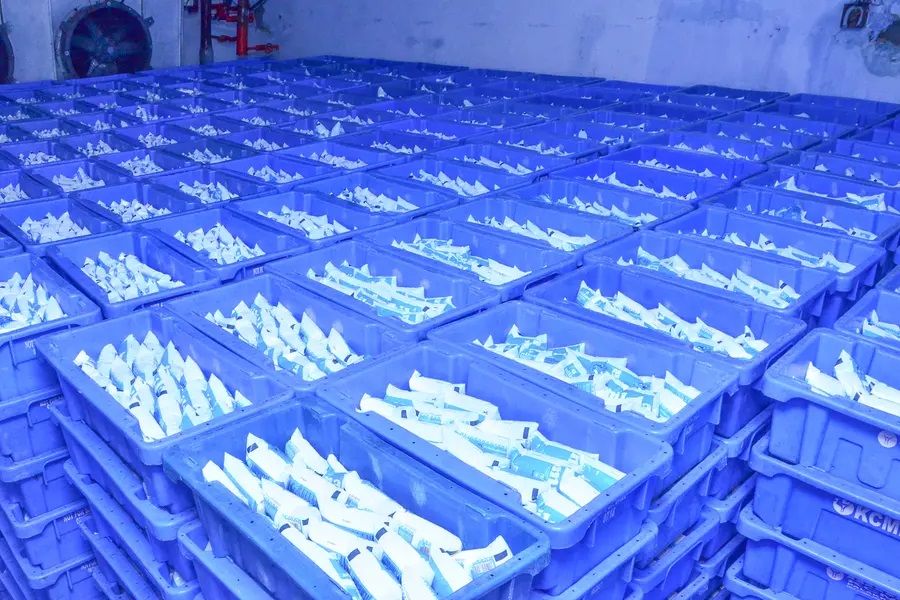
Commercial sales of packaged fluid milk and value-added consumer lines paralleled upstream volume growth, supporting cooperative turnover and cash flow stability. Liquid milk retail sales averaged approximately 1.74 million litres per day throughout the six-month window, reflecting steady consumer demand across urban retail booths. Strong off-take across core dairy lines, including fermented curd, clarified butterfat, and portioned paneer, allowed the apex federation to absorb elevated manufacturing overheads without disrupting procurement payouts.
Sustained procurement gains reflect the commercial success of returning a high proportion of operational earnings directly to primary dairy producers. Distributing the vast majority of net margins back to smallholders through targeted price incentives, feed subsidies, and veterinary services has protected producer loyalty against aggressive private milk buyers. Preserving competitive farmgate pricing will remain vital to safeguarding local milk self-sufficiency as feed prices and agricultural wages continue to rise across the subcontinent.
Source: United News of India
You can now read the most important #news on #eDairyNews #Whatsapp channels!!!
🇮🇳 eDairy News ÍNDIA: https://whatsapp.com/channel/0029VaPidCcGpLHImBQk6x1F