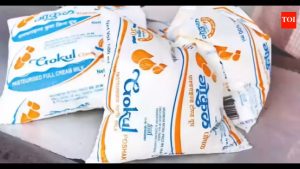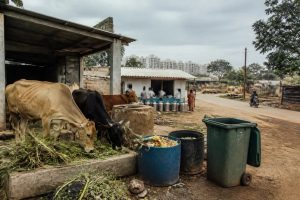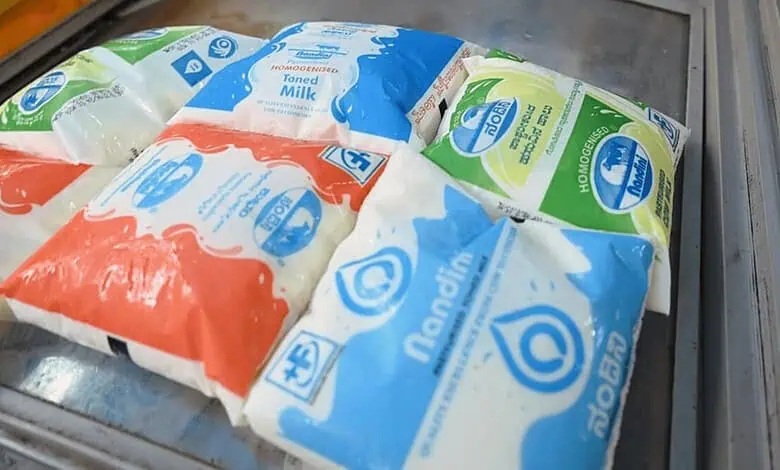

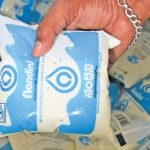


Proposed retail price adjustments seek to bridge a seven-rupee farmgate procurement deficit against neighboring southern dairy markets.
State leadership in southwestern India is reviewing an upward revision of cooperative retail milk prices to protect producer viability against escalating input inflation. Dairy union delegations representing primary milk producers have formally submitted proposals requesting retail price increases of up to 5 rupees per liter, with some cooperative factions pushing for wider adjustments to offset mounting logistics, cattle feed, and diesel expenditures. Administrative directives have ordered a detailed comparative benchmark of farmgate realizations and retail structures across competing state cooperatives before presenting a final determination to the state cabinet.
Substantial procurement pricing disparities across southern dairy basins have intensified pressure on local cooperative leadership. Primary producers in Karnataka currently receive an average base procurement rate of approximately 35 rupees per liter, trailing significantly behind neighboring state benchmarks. Across surrounding regional collection networks, farmgate payments range markedly higher, with cooperative and private processors in Tamil Nadu paying upwards of 42 rupees per liter, Kerala disbursing nearly 42 rupees, and Telangana buyers offering over 41 rupees per liter.
Escalating on-farm expenses have eroded operational margins for smallholder dairy herds, threatening milk procurement volumes across rural collection routes. Elevated commercial feed formulations, localized fodder shortages, and rising veterinary medicine costs have outpaced existing farmgate payouts, causing financial distress among primary suppliers. Union leadership argues that channeling a minimum of 70 percent of any approved retail hike directly into producer bank accounts is essential to prevent herd liquidations and stem farmer migration toward private buyers.
Balancing producer welfare against metropolitan consumer price sensitivity remains the central economic dilemma for policymakers. Because cooperative packaged milk serves as an indispensable daily dietary staple and a primary operational input for hotels, tea vendors, and artisanal bakeries, sharp retail increases risk fueling broader food inflation. However, freezing retail price caps during a cycle of severe farmgate cost inflation has already pushed several district milk processing unions into operational deficits, underscoring the structural limits of absorbing unrecovered overheads.
Cabinet deliberations over the coming days will decide whether to sanction a phased 4 to 5 rupee per liter adjustment to stabilize the cooperative value chain. Processing federations maintain that aligning retail pricing with real manufacturing and procurement expenditures is vital to safeguarding cold-chain infrastructure, maintaining bulk processing plant solvency, and securing daily milk collections. Resolving this margin imbalance will establish whether regional cooperative dairy operations can preserve supply stability while keeping pace with broader commodity price dynamics across the subcontinent.
Source: Siasat
You can now read the most important #news on #eDairyNews #Whatsapp channels!!!
🇮🇳 eDairy News ÍNDIA: https://whatsapp.com/channel/0029VaPidCcGpLHImBQk6x1F