



Global awards, indigenous milk sourcing, and climate-adapted aging techniques propel India’s craft cheese revolution onto the world stage.
India’s burgeoning artisanal cheesemaking sector is capturing international acclaim, marked by a standout performance at the 2026 Mundial do Queijo do Brasil where homegrown producers secured a Super Gold, two Gold medals, and a Silver. Brands like Mumbai’s Eleftheria Cheese and Ladakh’s Nordic Farm demonstrated that Indian craft creameries can rival legacy European terroirs. Beyond winning global accolades and formal recognition from Prime Minister Narendra Modi, the milestone reflects a broader structural evolution across the world’s largest milk-producing nation, moving from commoditized dairy toward high-value, small-batch craftsmanship.
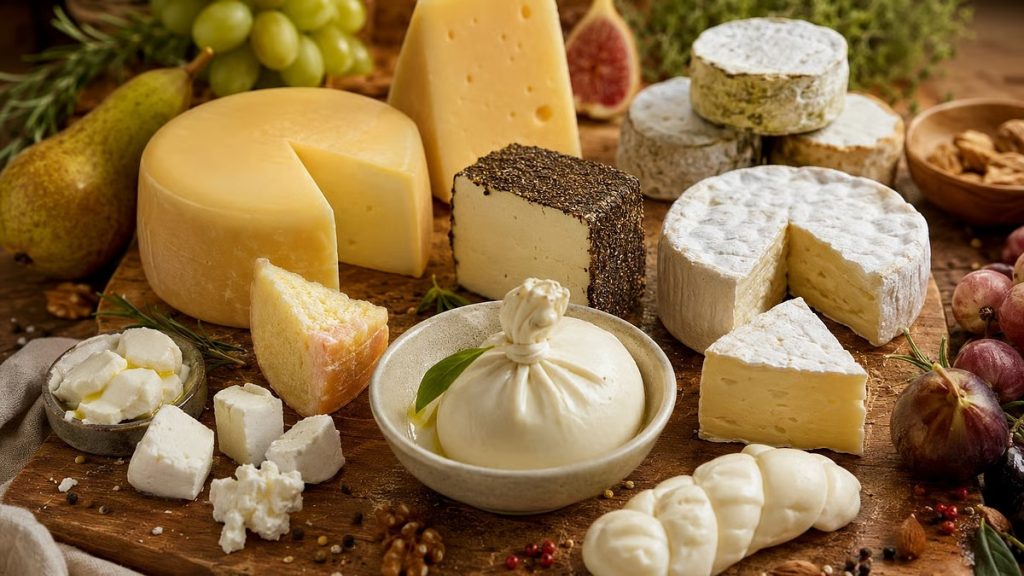
The craft cheese portfolio being developed across the subcontinent spans traditional indigenous varieties—such as Bengal’s smoked Bandel, Himalayan Yak Chhurpi, and Kashmiri Kalari—to sophisticated European styles including Brie, Camembert, Stracciatella, Belper Knolle, and Alpine Gruyère. Producers are intentionally moving away from generic mimicry by incorporating local terroir and ingredients. Creameries across the country are experimenting with regional botanicals, pepper coatings, and indigenous milk types, including goat and sheep milk sourced directly from pastoralist communities like the Maldhari and Rabari.
Operating in tropical climates presents distinct technological and microbiological challenges compared to traditional cool European aging regions. To overcome high ambient heat and humidity, creameries like Kodai Dairy Products and Käse have established hyper-localized cold chains, deploying rapid milk-chilling units within a 25-kilometer radius of partner farms. These processors implement strict veterinary antibiotic-monitoring regimes and adapt aging environments dynamically, relying on seasonal variations in native milk fat and protein fractions to dictate natural fermentation and rind development.
Domestic demand is accelerating simultaneously, driven by expanding exposure to international cuisines, greater health consciousness, and demand for clean-label foods free of sodium-heavy emulsifiers and stabilizers. High-end hospitality chains, fine-dining restaurants, and discerning retail consumers are actively swapping imported continental cheeses for fresher, traceable domestic alternatives, which often retail at a 20 percent discount compared to imported equivalents while delivering superior freshness and distinct flavor profiles.
Despite rapid growth, the artisanal cheese segment remains in a developmental phase, facing bottlenecks around specialized cold-chain logistics, decentralized milk quality standardization, and fragmented retail distribution. However, with India’s total cheese market expanding at an estimated 19 percent compound annual growth rate toward ₹619 billion ($7.4B) by 2034, craft producers are bridging the gap between boutique batch runs and scalable commercial production, establishing a recognized, terroir-driven identity for Indian dairy in the global gourmet market.
Source: Free Press Journal
You can now read the most important #news on #eDairyNews #Whatsapp channels!!!
🇮🇳 eDairy News ÍNDIA: https://whatsapp.com/channel/0029VaPidCcGpLHImBQk6x1F