Severe Feed & Fodder Cost Inflation: Animal feed expenses have risen sharply. Maize prices increased by 8%, while formulated maize-based commercial cattle feed jumped by 75% over the past year, heavily squeezing dairy producer margins and necessitating higher farmgate procurement payouts.
Geopolitical Fuel & Logistics Overhead: Escalating crude oil prices linked to Middle Eastern geopolitical friction pushed diesel rates significantly higher, inflating inter-district refrigerated transport costs and urban bulk tanker logistics.
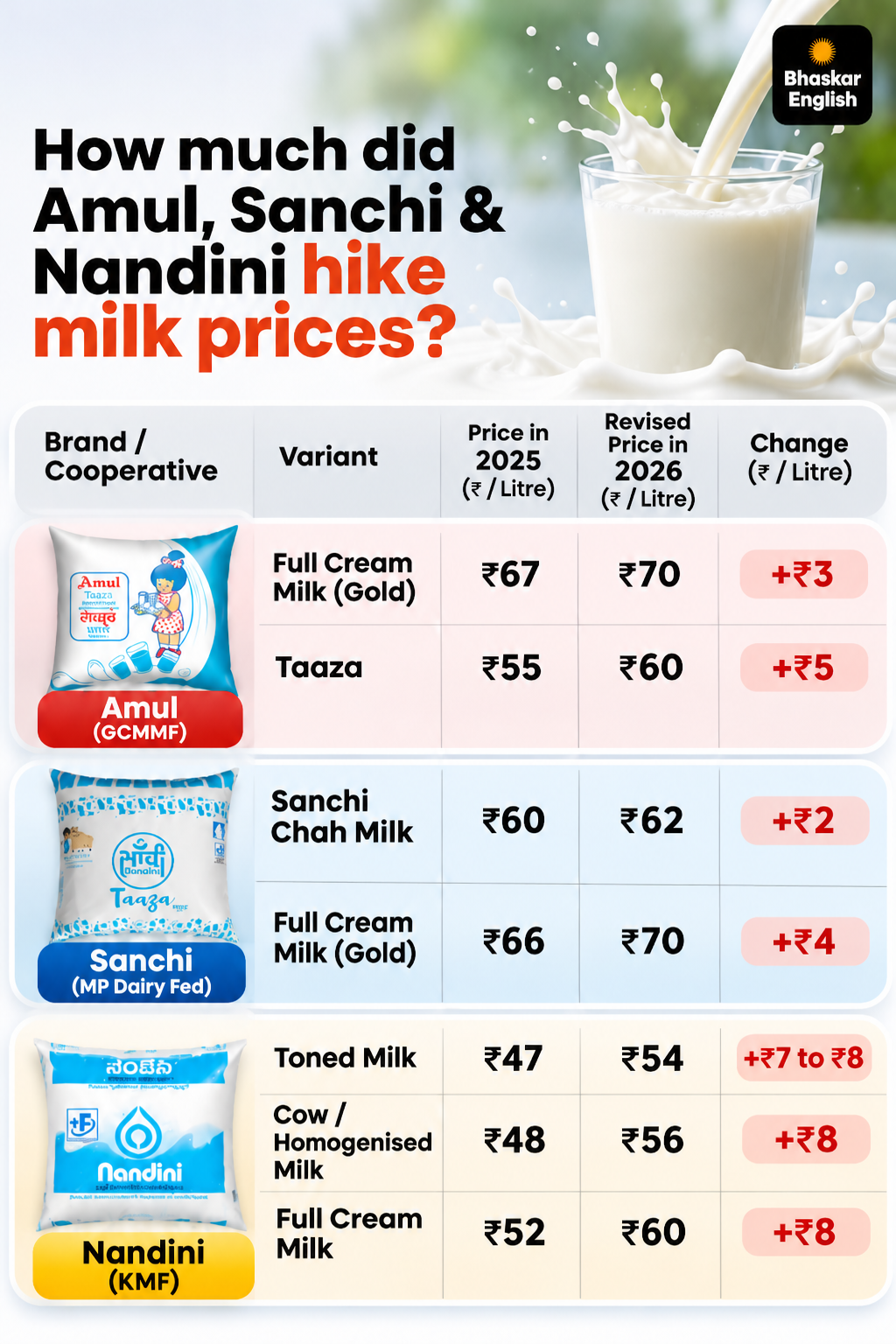
Cooperative Retail Tariff Adjustments: Major state dairy federations revised retail prices upward to maintain farmgate viability:
-
Amul (GCMMF): Raised pouch milk rates by ₹3 to ₹5 per litre across variants.
-
Sanchi (MPCDF): Increased retail milk prices by up to ₹4 per litre across Madhya Pradesh.
-
Nandini (KMF): Adjusted tariffs upward by ₹8 per litre following Karnataka cabinet approvals to protect farmer payouts.
Regulatory Elimination of Analogue Substitutes: A coordinated crackdown by the Food Safety and Standards Authority of India (FSSAI) and state authorities against illegal “analogue paneer” (adulterated vegetable oil and starch formulations) in Gujarat, Maharashtra, Madhya Pradesh, and Chhattisgarh removed counterfeit fats from wholesale markets, forcing commercial confectioners back into authentic whole-milk dairy procurement and tightening wholesale supplies.
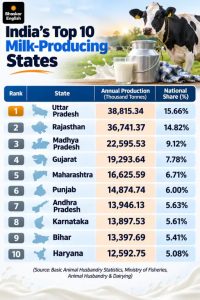
From an agribusiness supply-chain and policy perspective, milk remains an essential food item under the Essential Commodities Act, 1955, and a pillar of child nutrition through school initiatives like Karnataka’s Ksheera Bhagya and equivalent midday programs in MP and Gujarat. The current pricing spike underscores the sensitivity of India’s dairy grid: even with steady annual production growth, farm-level feed inflation and surging domestic processing demand rapidly pass through to consumer retail prices across both fluid milk and value-added dairy categories.
Domestic Milk Economics & Inflation
India Milk & Festive Dairy Inflation: Key Drivers
Production growth, cooperative tariff revisions, and wholesale cost pressures.
FY25 Production
247.87M MT
+3.5% YoY (25% World)
Retail Milk Hike
Up to 17%
Annual tariff jump
Sweets (Mithai)
+15% to 30%
Festive retail price rise
Major Cooperative Tariff Adjustments
Amul (GCMMF – National / Gujarat)
+₹3 to ₹5 / Litre
Adjusted across consumer pouch categories to offset rising cattle feed, cold-chain packaging, and freight costs.
Sanchi (Madhya Pradesh State Dairy Federation)
+₹4 / Litre
Implemented across regional MP markets to maintain farmer procurement margins amid high local fodder expenses.
Nandini (Karnataka Milk Federation – KMF)
+₹8 / Litre
Cabinet-approved price correction ensuring sustainable payout realizations to village dairy cooperative members.
Primary Supply-Side Inflation Catalysts
Feed Inflation: Maize-based formulated cattle feed costs surged by 75% over the past year.
Early Industrial Offtake: Ice cream and fat processors pre-buying large milk volumes for summer 2027 SMP & butterfat stocks.
FSSAI Analogue Paneer Ban: Nationwide crackdowns on counterfeit vegetable-oil paneer diverted bulk buyers to pure milk fat.
Statutory Status: Essential Commodities Act, 1955 Monitoring
Festive Demand Spike
Source: Bhaskar English / Ministry of Animal Husbandry & Dairying
eDairyNews India Commodity Intelligence
Source: Bhaskar English
You can now read the most important #news on #eDairyNews #Whatsapp channels!!!
🇮🇳 eDairy News ÍNDIA: https://whatsapp.com/channel/0029VaPidCcGpLHImBQk6x1F