

New regulatory draft mandates the removal of traditional dairy nomenclature from non-milk fat substitutes and imitation products.
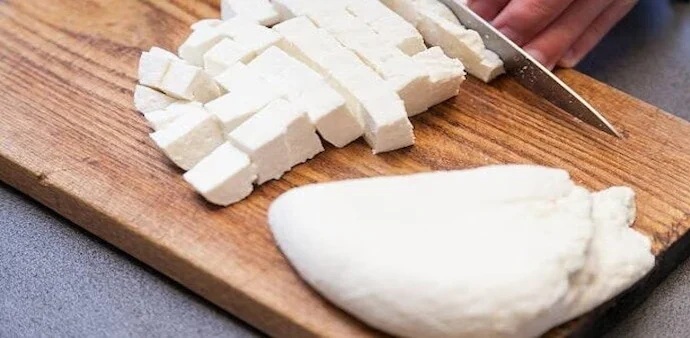
Regulatory standards governing traditional dairy definitions are tightening significantly across South Asia as food safety authorities seek to eliminate plant-based imitation lines from dairy naming frameworks. A draft amendment published in the official gazette introduces explicit statutory restrictions on manufacturing, marketing, and labeling analogue formulations under the term paneer. The initiative targets imitation products manufactured by blending vegetable oils, industrial starches, and non-dairy proteins to emulate the coagulation characteristics and culinary yield of authentic cow or buffalo milk curd.
Under the proposed regulatory mechanism, products categorized as analogues in a dairy context will be barred from using protected dairy designations across retail packaging, institutional food service distribution, and commercial advertising. The compliance mandate applies retroactively, requiring operators holding valid commercial licenses or registrations for imitation goods to overhaul product branding, technical descriptions, and promotional literature. This structural intervention aims to eradicate market deception by forcing non-dairy substitutes to trade exclusively under unambiguous descriptive categories.
Substantial manufacturing cost differentials have accelerated widespread imitation substitution across mass-market catering and restaurant supply chains. Commercial dairy processing benchmarks estimate conventional fresh cheese production costs at 350 to 550 rupees per kilogram, reflecting current raw milk collection prices, cold-chain preservation logistics, and mandatory butterfat minimums. By comparison, non-dairy analogue formulations utilizing refined palm fats, emulsifiers, and carbohydrate binders typically produce finished batches for 150 to 250 rupees per kilogram, generating margin distortions that disadvantage authentic dairy processors.
The federal initiative consolidates localized regulatory bans previously instituted across several major agricultural and consumption states. Regional enforcement bodies in Telangana, Karnataka, and Maharashtra recently enacted temporary prohibitions on the storage, manufacturing, and distribution of unstandardized imitation curds, citing concerns over deceptive commercial presentation and unregistered processing facilities. Creating a uniform federal legal standard ensures level regulatory compliance across inter-state trade corridors, preventing manufacturers from exploiting uneven jurisdictional enforcement.
The proposed amendment enters a statutory sixty-day public consultation window allowing dairy manufacturers, agricultural cooperatives, consumer advocacy groups, and industrial trade associations to lodge formal feedback. Preserving product nomenclature for genuine milk-derived solids is widely viewed by cooperative federations as vital for protecting farmgate demand and maintaining transparent pricing mechanisms for primary milk producers. A finalized statutory rulebook is expected to take effect following administrative review of industry submissions.
Source: Business Today
You can now read the most important #news on #eDairyNews #Whatsapp channels!!!
🇮🇳 eDairy News ÍNDIA: https://whatsapp.com/channel/0029VaPidCcGpLHImBQk6x1F