


A severe operational crisis unfolds in the regional dairy sector as board directors rebel against government-imposed livestock feed hikes.
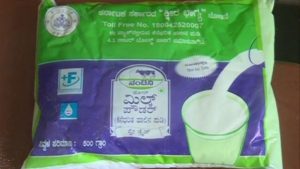
The institutional stability of the Goa State Cooperative Milk Producers’ Union, widely known as Goa Dairy, is facing a severe internal crisis as a powerful faction of its board of directors threatens a mass resignation. The sudden rebellion represents an aggressive institutional standoff between localized agricultural representatives and state administrative bodies. For international dairy analysts, this internal friction underscores how rapidly escalating operational costs can cause immediate structural breakdowns within state-backed cooperative processing networks.
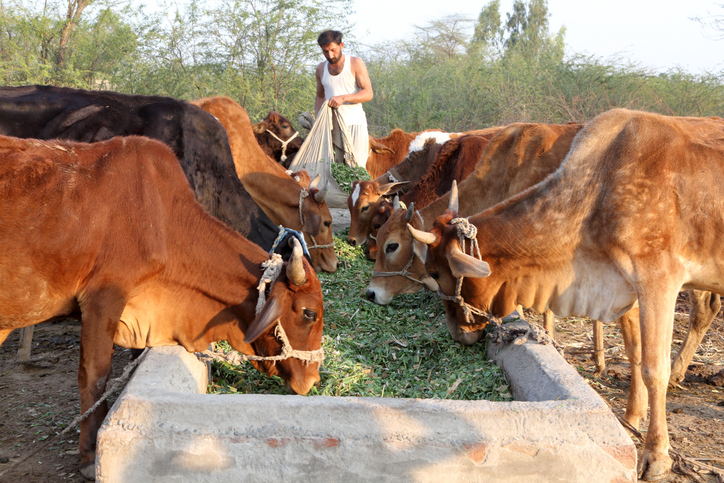
The core driver behind the threatened mass resignation centers directly on a highly controversial, newly implemented hike in commercial cattle feed rates. Board members representing independent primary producers argue that forcing livestock keepers to absorb these sharp price increases is entirely unsustainable given current farmgate milk returns. By threatening to vacate their executive positions en masse, the directors are staging a high-profile corporate protest to demand an immediate rollback of the feed tariff adjustment.
From a strict dairy economics and data journalism perspective, this operational dispute highlights the critical financial vulnerabilities that independent smallholders face from input cost inflation. Nutritional formulations and concentrate feeds function as the absolute largest variable expense on the barn floor, heavily dictating overall daily milk solids profitability. When state cooperatives raise feed prices without a parallel upward adjustment in the baseline milk procurement price, primary producers see their operational margins completely evaporate.
To prevent a total collapse of the regional milk collection infrastructure, the dissenting board directors are demanding a comprehensive, transparent state audit of internal processing and procurement logistics. The leadership faction claims that inefficient corporate management and a lack of modern supply chain optimization have led to unnecessary waste, which is now being unfairly penalized through higher feed prices. Restoring stability requires state authorities to intervene and establish better financial transparency across village-level cooling and transport networks.
Ultimately, this high-stakes governance crisis serves as a clear warning to developing dairy markets navigating the complex macroeconomic realities of the late 2026 marketing calendar. When cooperative leadership and state administrative bodies lose policy alignment, the long-term food security and supply chain continuity of the region are placed at immediate risk. Global agribusiness observers will continue to closely monitor the ongoing resolution process in Goa to see if targeted feed subsidies can successfully stabilize farmgate margins and prevent a complete supplier breakdown.
Source: Regional cooperative governance disputes and localized agricultural commodity price metrics are fully reported by The Times of India.
You can now read the most important #news on #eDairyNews #Whatsapp channels!!!
🇮🇳 eDairy News ÍNDIA: https://whatsapp.com/channel/0029VaPidCcGpLHImBQk6x1F