


Rising ambient temperatures and recurring heatwaves across India induce acute thermal stress in cattle, depressing milk yields and threatening smallholder dairy livelihoods.
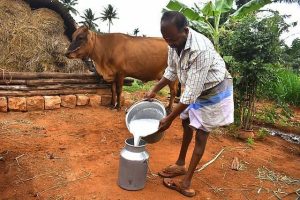
An opinion analysis published in The Telegraph India examines the compounding impact of global warming and intense summer heatwaves on India’s dairy sector. As temperature and humidity levels routinely exceed thermal comfort zones across major milk-producing regions, physiological heat stress in bovine herds has emerged as an increasingly severe threat to national milk yields and rural economic stability.
When ambient conditions rise beyond a cow’s thermal neutral zone, the animal’s thermoregulatory mechanisms are overwhelmed. To cope with thermal load, dairy cattle significantly reduce dry matter intake while increasing water consumption and panting. This metabolic trade-off directly impairs milk synthesis, causing daily milk yields to drop sharply—with high-yielding European crossbred cows (such as Holstein-Friesian and Jersey crosses) suffering far steeper production declines than indigenous Bos indicus breeds.
Beyond immediate volume losses, sustained thermal stress inflicts long-term damage on herd health and reproductive performance. High heat disrupts hormonal balance and estrus cycles, leading to silent heat, reduced conception rates, and extended calving intervals. Furthermore, heat stress suppresses immune function, raising the incidence of mastitis, metabolic disorders, and vector-borne diseases, which drives up veterinary costs for farm operators.
The economic fallout of climate-driven heat stress hits India’s millions of smallholder and landless dairy farmers hardest. Operating on thin margins with limited capital, small-scale producers often lack the financial resources to install active cooling systems, such as industrial fans, sprinklers, or climate-controlled housing. As milk revenues contract during extreme heat events, farmers simultaneously face elevated costs for forage, supplementary feeds, and livestock care.
To protect national food security and sustain smallholder livelihoods, the analysis emphasizes the urgent need for climate adaptation strategies across the dairy value chain. Recommended interventions include promoting heat-tolerant indigenous breeds (such as Gir and Sahiwal), enhancing shade and microclimate management in animal shelters, shifting feeding times to cooler hours, and offering targeted financial support and climate-resilience extension services to rural dairy communities.
Source: The Telegraph India
You can now read the most important #news on #eDairyNews #Whatsapp channels!!!
eDairy News ÍNDIA: https://whatsapp.com/channel/0029VaPidCcGpLHImBQk6x1F