



Discovery of discarded dairy goods in protected wetlands sparks concerns of illicit dumping to evade food safety inspections in Maharashtra.
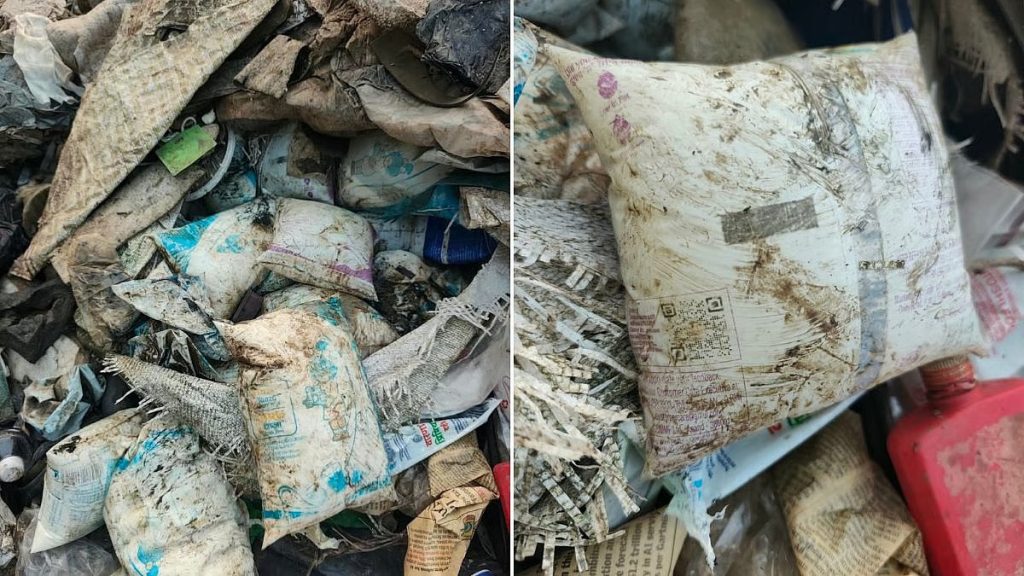
Environmental clean-up volunteers operating in Navi Mumbai have discovered approximately 100 sealed packages of commercial dairy products discarded within the protected mangrove wetlands of Nerul, triggering scrutiny from public health advocates and local authorities. The discovery occurred during a routine conservation initiative organized by the Environment Life Foundation, an ecological civil organization that has conducted wetland restoration drives in the area for over six years. The discarded inventory comprised sealed pouches of commercial milk and set curd bearing the branding of prominent regional dairy companies. The incident coincided with an aggressive state-wide enforcement drive orchestrated by the Maharashtra Food and Drug Administration (FDA) under Commissioner Tukaram Mundhe, raising concerns that the perishable inventory was dumped deliberately into the wetlands to evade statutory food adulteration checks and regulatory penal sanctions.
The timing of the wetland abandonment aligns directly with escalated surveillance by state food safety regulators against non-compliant food business operators across the Mumbai Metropolitan Region. Over recent weeks, state enforcement officers have intensified unannounced audits of cold-storage depots, wholesale distribution hubs, and retail grocery establishments, carrying out formal seizures and issuing destruction orders for substandard or mislabeled perishable goods. Public health advocates point out that while the precise manufacturing batches, expiration dates, and physical integrity of the discarded packages remain unverified, the deliberate abandonment of commercial dairy inventory in an ecologically sensitive zone suggests an attempt to obscure supply chain origins. Bypassing mandatory municipal food disposal protocols prevents food safety officers from securing formal lab samples, complicating ongoing regulatory efforts to hold illicit traders or negligent distributors legally accountable.
From an environmental sustainability and packaging compliance standpoint, dumping multilayer plastic dairy pouches into coastal mangrove ecosystems inflicts severe ecological damage on delicate marine nurseries. Modern commercial dairy packaging utilizes non-biodegradable low-density polyethylene and specialized barrier films designed to preserve milk freshness, which persist in wetland sediments and degrade into harmful microplastics. Ecological groups emphasized that corporate dairy processors must enforce stricter oversight of their downstream distribution networks and fulfill Extended Producer Responsibility (EPR) mandates covering plastic recovery. Concurrently, municipal solid waste authorities face mounting scrutiny over the absence of dedicated commercial waste disposal infrastructure, which allows rogue transport agents and retail vendors to treat urban creeks and mangrove swales as unregulated dumping grounds.
From an enterprise finance and supply chain integrity perspective, clandestine dumping exposes systemic vulnerabilities within reverse logistics and perishable stock management. Organized dairy processors operate under strict commercial return policies, requiring authorized distributors to return expired, sour, or leaking pouches to processing centers for documented effluent treatment or conversion into non-commercial feed byproducts. However, when independent delivery contractors or informal retailers operate outside formal accounting systems, the commercial costs of reverse transport and proper disposal are frequently avoided through illegal dumping. These illicit disposal practices pose reputational risks for established dairy brand owners, whose packaging becomes associated with environmental degradation and suspected food adulteration, threatening consumer trust in organized dairy retail networks.
Looking ahead toward 2027, preventing illegal dairy disposal will require integrated digital tracking and tighter regulatory coordination across urban dairy supply corridors. Municipal bodies and state food regulators must establish transparent batch-traceability protocols that track commercial milk shipments from central processing dairies through to neighborhood milk booths and independent vendors. Establishing verified disposal facilities for spoiled or unsellable dairy inventory is essential to incentivizing compliant corporate behavior while deterring unlawful dumping in sensitive wetlands. Strengthening supply chain accountability safeguards public health against uninspected perishable dairy sales, protects regional mangrove ecosystems, and reinforces consumer confidence in India’s modernizing urban dairy distribution network.
Source: The Free Press Journal
You can now read the most important #news on #eDairyNews #Whatsapp channels!!!
🇮🇳 eDairy News ÍNDIA: https://whatsapp.com/channel/0029VaPidCcGpLHImBQk6x1F