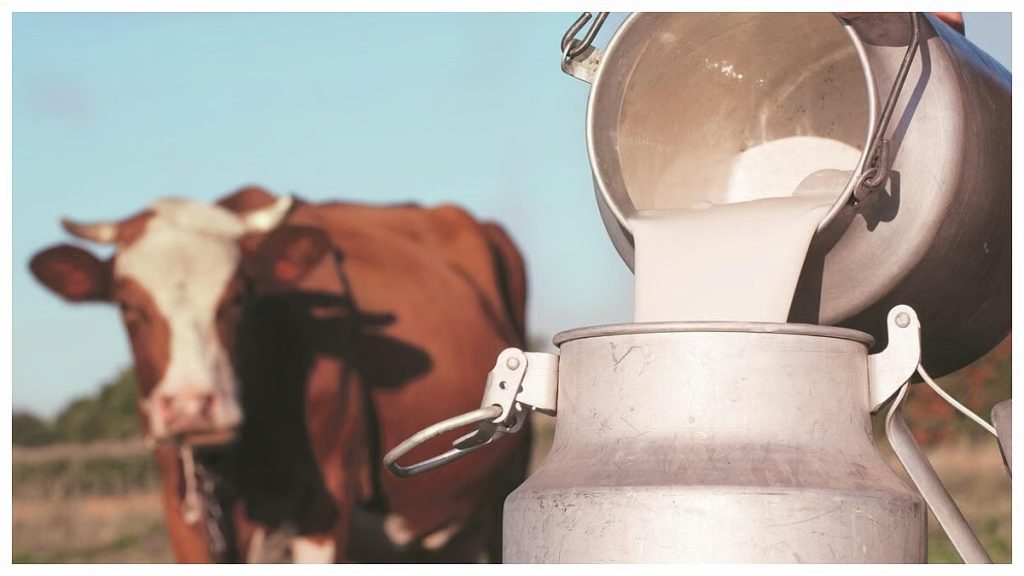




Unprecedented fodder inflation and veterinary expenses push retail buffalo milk to ₹100 per liter across commercial dairy hubs in Bhiwandi.
Retail fresh buffalo milk prices across the major dairy manufacturing center of Bhiwandi in Maharashtra have reached an unprecedented ₹100 per liter, reflecting severe cost-of-production pressures on peri-urban dairy enterprises. Commercial milk producers operating in key regional milksheds, including the dense dairy clusters around Pundalik Nagar and Kamatghar, adjusted farmgate and local retail quotations from ₹90 to ₹100 per liter to absorb mounting operating expenditures. The commercial adjustment follows consecutive seasons of steep price escalations across foundational cattle feed ingredients, dry roughage, and essential veterinary healthcare supplies. Dairy operators emphasize that maintaining retail realizations below the three-figure threshold had become financially impossible without incurring unsustainable daily operational losses. The price increase highlights the acute vulnerability of peri-urban dairy herds to volatile regional feed and agricultural commodity markets.
From an animal husbandry and feed input perspective, the primary commercial catalyst behind the price surge is the rapid inflation across both dry forage and concentrated cattle feed rations. The price of dry hay and fodder grass, an indispensable fiber source for lactating buffaloes, has climbed from ₹10 to ₹15 per kilogram, while concentrated cattle feed mash has risen from ₹30 to ₹40 per kilogram. Compounding these daily nutrition costs, specialized nutritional supplements, including high-energy wheat bran and cottonseed cake, have registered steep price advances alongside a roughly 20 percent increase in commercial veterinary pharmaceuticals and medicinal tonics. Unlike rural pastoral operations that leverage on-farm pasture grazing, peri-urban dairy sheds rely entirely on purchased feed trucked in from distant agrarian districts. When regional logistics expenses and crop residue shortages elevate inbound ingredient costs, commercial herd managers must absorb the price hikes immediately into their daily operational budgets.
Operational realities in commercial buffalo milking sheds magnify the financial strain of feed inflation on overall business viability. A mature lactating buffalo requires approximately 20 kilograms of dry fodder, 10 kilograms of concentrated feed mix, and substantial fresh water daily to sustain baseline milk synthesis and milk fat percentages. Concurrently, regional dairy operators face high capital replacement costs, with the purchase price of high-yielding Murrah and Mehsana buffaloes climbing from ₹1.2 lakh to roughly ₹1.7 lakh per animal. These commercial animals face substantial health challenges in intensive confinement systems, requiring regular veterinary interventions, metabolic tonics, and hoof care that add non-negotiable overheads. Furthermore, dairy operators must factor in the recurring expense of transporting spent or non-lactating animals back to rural breeding belts, creating ongoing logistics costs that erode operating margins.
From an enterprise finance and urban market perspective, the move to ₹100 per liter creates immediate demand friction among retail consumers, commercial tea vendors, and local confectionery manufacturers. Unorganized peri-urban dairy farming relies heavily on daily cash-and-carry milk sales to neighborhood households and local sweet shops, where product pricing is exceptionally sensitive to sudden upward revisions. Household consumers are actively adjusting purchasing volumes or seeking lower-fat alternatives, while sweet shop operators face compressed margins on high-milk-solids products like mawa, peda, and paneer. Commercial lenders and microfinance institutions servicing local dairy sheds are monitoring credit risks closely, as elevated cost structures compress debt-servicing cushions on existing animal acquisition loans. Reinvesting operational margins into modernized shed ventilation, automated misting systems, and bulk silage storage remains difficult for small-to-medium operators working with constrained working capital reserves.
At the farmgate and local policy level, commercial dairy farmers are calling on municipal and state authorities to implement institutional feed stabilization mechanisms to prevent further retail price inflation. Producers have urged government agencies to establish subsidized fodder depots and regulate interstate grain byproduct shipments to protect livestock enterprises from speculative commodity traders. In addition, dairy associations emphasize the need for direct access to institutional credit lines and public veterinary support to lower production overheads without passing excessive costs onto urban working families. Looking ahead toward 2027, the economic sustainability of peri-urban dairying around major industrial hubs like Bhiwandi and Mumbai will depend on modernizing feed supply chains and stabilizing procurement input costs. Resolving severe fodder deficits and improving herd management support will be critical to protecting local milk production, safeguarding dairy farm livelihoods, and stabilizing consumer food prices across expanding urban corridors.
Source: The Free Press Journal
You can now read the most important #news on #eDairyNews #Whatsapp channels!!!
🇮🇳 eDairy News ÍNDIA: https://whatsapp.com/channel/0029VaPidCcGpLHImBQk6x1F