
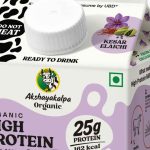


Leveraging agricultural strength and dairy processing to build an integrated protein ecosystem focused on functional food ingredients.
India commands the structural potential to develop a comprehensive, end-to-end protein value chain spanning raw agricultural feedstocks, dairy fractionation, advanced microbial fermentation, specialized ingredient formulation, and packaged consumer nutrition. Outlining this strategic transition, industrial biotechnology leaders at Arboreal Bioinnovations highlighted that the country is positioned favorably across foundational assets, including an extensive agrarian production base, robust biotechnology and pharmaceutical manufacturing ecosystems, and an expanding consumer market. While raw commodities such as pulses, oilseeds, and fluid milk have traditionally been traded as low-margin bulk volumes, converting these agricultural streams into high-purity protein isolates, functional concentrates, and specialized hydrolysates allows the domestic food processing industry to capture significantly greater economic margins from its primary production footprint.
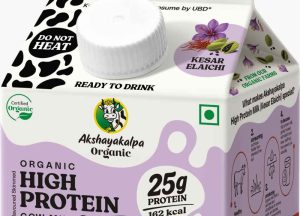
Technological advancements in dairy science and industrial biotechnology are accelerating this structural shift away from bulk commodities toward precision-engineered nutrition. Modern processing platforms—including membrane ultrafiltration, microbial fermentation, advanced enzyme biocatalysis, and targeted fractionation—enable dairy and plant processors to isolate functional proteins with superior solubility, clean sensory profiles, and reliable industrial scalability. Crucially, industry analysts emphasize that India should avoid merely duplicating Western alternative-protein blueprints that rely heavily on ultra-processed plant analogs. Instead, the strategic opportunity lies in integrating domestic dairy fractions—such as native whey, micellar casein, and milk protein concentrates—with indigenous pulse and cereal matrices to engineer protein solutions tailored specifically to Indian dietary preferences, culinary applications, and accessible mass-market price points.
From a supply chain logistics and import-substitution perspective, establishing localized processing infrastructure addresses a long-standing structural vulnerability in the domestic functional food sector. Currently, Indian food formulators, beverage brands, and sports nutrition manufacturers rely heavily on imported specialized dairy protein isolates, custom functional blends, and concentrated milk fractions sourced from North America and Oceania. Fostering domestic manufacturing capacity, local research and development laboratories, and commercial drying towers will compress foreign exchange outflows, shorten procurement lead times, and shield local manufacturers from international freight and tariff volatility. By capturing the intermediate processing tier, India can build resilient domestic supply lines capable of supplying commercial bakeries, clinical nutrition providers, ready-to-drink beverage lines, and fortified everyday staples.
From an enterprise finance and corporate balance sheet perspective, moving up the agricultural value chain fundamentally improves operating margins and capital returns for processing conglomerates and cooperative unions. Primary dairy processors running large-scale milk collection networks frequently grapple with seasonal milk flushes and compressed fluid milk margins, making investment in membrane filtration and spray-drying assets an effective strategy to optimize revenue per liter of milk intake. Capturing the value-added spread between raw milk solids and high-value functional protein powders provides corporate treasuries with the cash flow needed to service capital-intensive processing facilities under prevailing interest rates. Furthermore, institutional investors and development finance institutions increasingly favor integrated protein platforms that demonstrate clear unit-economic profitability alongside measurable nutritional impacts across emerging markets.
At the farmgate procurement level, anchoring an integrated protein ecosystem creates sustained demand and floor-price stability for primary dairy and crop producers across rural India. Smallholder dairy farmers operating within village cooperative societies benefit directly when processing entities diversify away from commoditized skim milk powder into specialized nutritional ingredients that command durable pricing power. Linking rural milk pools and agrarian harvests to modern urban protein consumption provides an essential economic bridge heading into 2027. By mastering the full spectrum of production—from raw milk harvesting to advanced formulation and retail delivery—India can secure its domestic nutritional sovereignty, build a competitive export-oriented ingredient sector, and drive sustainable income growth across its primary agricultural base.
Source: FnB News
You can now read the most important #news on #eDairyNews #Whatsapp channels!!!
🇮🇳 eDairy News ÍNDIA: https://whatsapp.com/channel/0029VaPidCcGpLHImBQk6x1F