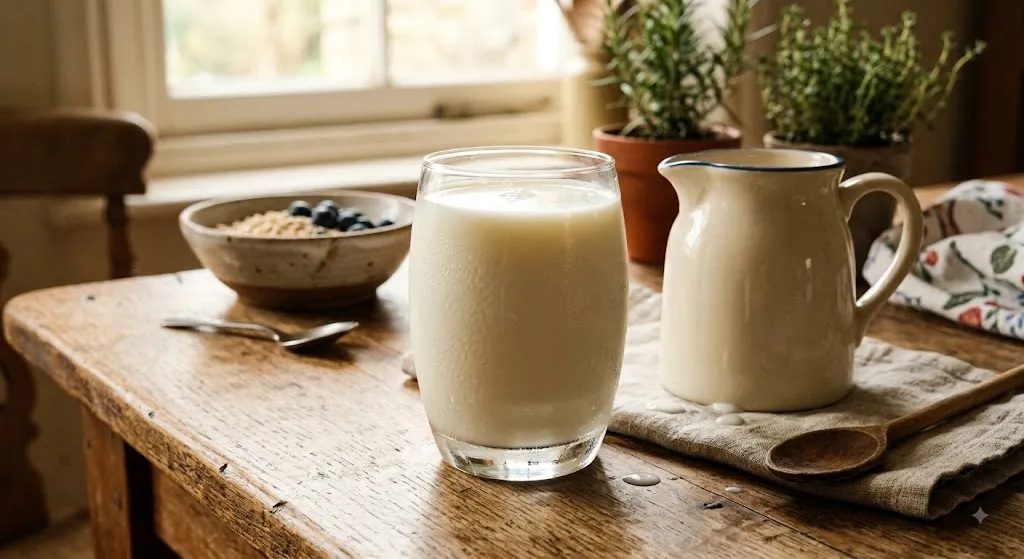




Accounting for roughly 30% of worldwide output, the caprine sector delivers 3.32% of national milk supply through specialized indigenous breeds and smallholder networks.
India maintains its position as the world’s largest producer of goat milk, supplying approximately 30 percent of total global output according to data from the Food and Agriculture Organization (FAO) and national livestock reporting. Under the latest Basic Animal Husbandry Statistics, goat milk contributed 3.32 percent of India’s total domestic milk pool, reaffirming the caprine sector’s role as a vital economic engine and nutritional buffer for millions of smallholder and landless agrarian households across diverse agro-climatic zones.
The structural foundation of India’s caprine milk leadership lies in its massive, decentralized livestock population and an extensive array of well-adapted indigenous dairy breeds. High-performing genetic lines—including Jamunapari, Beetal, Jakhrana, Surti, and Zalawadi—are renowned for their sustained milk-solids yield, reproductive vigor, and hardiness. Unlike bovine dairy herds that require substantial green fodder, water infrastructure, and intensive capital inputs, dairy goats thrive under extensive grazing and mixed-farming models, making them an accessible asset for resource-constrained producers.
Geographically, commercial and subsistence goat milk production spans key agricultural states including Rajasthan, Uttar Pradesh, Maharashtra, Bihar, Madhya Pradesh, Gujarat, Andhra Pradesh, and Tamil Nadu. In arid and semi-arid tracts where recurring drought and heat stress challenge conventional bovine dairy operations, goats demonstrate superior feed conversion efficiency on low-quality forage. This biological resilience establishes small ruminants as an essential component of regional climate-adaptation strategies across India’s agricultural heartland.
Beyond household subsistence, goat milk is increasingly integrating into formal dairy value chains and value-added commercial processing. Characterized by smaller fat globule diameter, a higher proportion of medium-chain fatty acids (MCTs), and different casein protein structures compared to cow or buffalo milk, goat milk provides higher digestibility and lower allergenicity. These bioactive properties have spurred commercial demand for specialized caprine dairy products, including artisanal cheeses, fermented curd, yogurt, infant nutrition formulations, and packaged therapeutic beverages.
Despite its global dominance in volume, India’s goat dairy sector faces operational hurdles regarding collection formalization, cold-chain aggregation, and organized veterinary support. Maximizing the commercial value of caprine milk solids requires transitioning from fragmented backyard milking to structured cooperative or farmer producer organization (FPO) collection networks with quality-based pricing metrics. As consumer demand for functional, easily digestible dairy proteins grows alongside climate pressures on water resources, institutionalizing caprine dairy processing will remain a key growth vector for South Asian dairy markets.
Source: Jagran Josh
You can now read the most important #news on #eDairyNews #Whatsapp channels!!!
eDairy News ÍNDIA: https://whatsapp.com/channel/0029VaPidCcGpLHImBQk6x1F