

National strategies combine disease-free zoning, genetic upgrades, and infrastructure to scale global trade.
National milk output reaching 248 million tonnes is fueling an aggressive policy transition from domestic self-sufficiency toward large-scale international dairy trade. Building on structural gains achieved in commercial fisheries exports, central planners are aligning agricultural investments to convert the country’s massive raw volume into exportable value-added dairy commodities. The strategic reorientation aims to establish competitive trade positions across high-growth import markets throughout Asia and the Middle East.
Achieving international sanitary clearance stands as the primary technical hurdle for expanding cross-border shipments of fluid milk and manufactured dairy products. Nationwide vaccination campaigns against Foot and Mouth Disease are laying the ground to establish certified disease-free zones recognized by the World Organisation for Animal Health. Securing formal animal health accreditation allows commercial processors to fulfill strict phytosanitary import protocols enforced by target destination markets.
Herd productivity improvements rely on rapid adoption of advanced biological tools to maximize per-cow yields across smallholder production systems. Widespread deployment of sex-sorted semen, embryo transfer protocols, and in-vitro fertilization is accelerating genetic progress across native and crossbred cattle populations. Raising baseline milk solids performance strengthens raw supply density surrounding regional processing facilities while lowering unit production costs for primary producers.
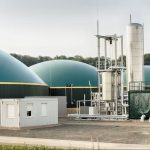
Capital investments across rural assembly networks are expanding beyond raw fluid milk to encompass secondary livestock waste processing. Commercial biogas installations integrated within co-operative hubs generate supplementary energy and organic fertilizers from animal waste, creating additional farmgate revenue streams. These circular bioeconomy projects lower the environmental footprint of primary production while providing thermal energy for local processing infrastructure.
Strategic integration of dairy, horticulture, and livestock operations is reshaping regional farm models across key producing states. Dedicated administrative structures established since the 2019 creation of a standalone dairying ministry continue to funnel target-driven capital into cold-chain assembly and processing modernization. Establishing standardized value chains enables rural co-operatives to meet global quality standards required to sustain long-term dairy export growth.
Source: Daily Pioneer
You can now read the most important #news on #eDairyNews #Whatsapp channels!!!
eDairy News ÍNDIA: https://whatsapp.com/channel/0029VaPidCcGpLHImBQk6x1F