


Commercial farms substitute traditional green fodder with automated silage networks, turning unripe crops into a lucrative multi-state export engine.
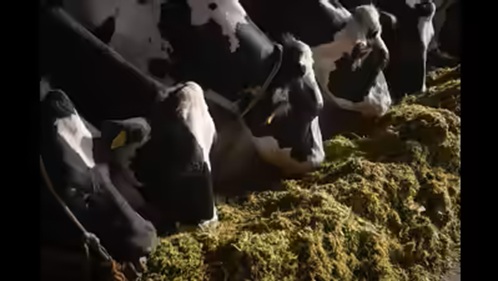
Commercial dairy enterprises across Punjab are systematically replacing conventional fresh green fodder with advanced, silage-based feeding systems to secure a steady, year-round supply of animal nutrition. This major operational transition is reshaping regional herd management by shielding producers from seasonal supply shortages and volatile market price swings for fresh forage. According to leading agricultural advocates, correctly prepared silage retains its baseline nutritional value over extended storage windows, allowing farms to maintain uniform feeding parameters. The clear financial and operational success realized by large-scale commercial operations has recently prompted smaller backyard dairy smallholders to rapidly adopt the practice.
The rapid growth of this nutritional strategy has transformed Punjab into a prominent commercial hub for the specialized animal feed market. Local agricultural entrepreneurs are no longer just producing silage for individual farm consumption but are actively exporting high-quality surplus volumes to dairy-heavy states across India, including Maharashtra and Karnataka. Data from the Progressive Dairy Farmers Association (PDFA) confirms that silage production has emerged as a highly lucrative, independent source of rural income. Currently, unripe maize remains the absolute preferred crop for this expanding processing sector, with an estimated 60 to 70 percent of Punjab’s entire maize acreage now projected strictly for silage production.
From a biochemical perspective, the success of the system relies on harvesting the standing maize crop while it is still unripe to optimize fermentation quality and moisture parameters. Because silage processing depends entirely on anaerobic fermentation, maintaining absolute airtight conditions within storage pits or plastic wraps is critical to prevent spoilage. When executed correctly, a uniform silage ration effectively stabilizes the rumen—the primary digestive organ in dairy cattle and buffaloes. This metabolic stability directly translates into enhanced digestive efficiency, superior health indexes, and significantly higher daily milk yields at the farm gate.
Despite these clear benefits, veterinary nutritionists at Guru Angad Dev Veterinary and Animal Sciences University (GADVASU) emphasize that poor preparation and substandard storage regularly degrade feed quality. Addressing persistent industry concerns that silage can taint raw milk with an unpleasant, pungent odor, experts clarify that such quality defects stem strictly from bad farm hygiene rather than the feed composition itself. Allowing fermented crops to sit too close to active milking parlors enables ambient organic odors to easily seep into the fluid milk, highlighting the critical need for strict physical separation during daily chores.
To safeguard milk quality compliance and maximize processing margins, animal nutrition specialists advise producers to feed silage to their herds immediately after the daily milking cycle is completed. Keeping the storage and feeding zones entirely separate from the extraction lines effectively eliminates the risk of airborne odor transfers, ensuring a clean flavor profile. Moving forward, as Indian processing unions tighten their milk component tracking and quality standards, mastering these scientific silage management techniques will remain essential for regional producers looking to maintain their competitive edge in the global dairy market.
Source: The Times of India
You can now read the most important #news on #eDairyNews #Whatsapp channels!!!
eDairy News ÍNDIA: https://whatsapp.com/channel/0029VaPidCcGpLHImBQk6x1F