

The JKDFA implements a sweeping regional rate increase to shield local dairy producers from catastrophic input cost inflation.
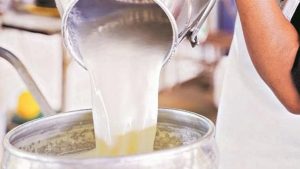
The Jammu and Kashmir Dairy Farmers Association (JKDFA) has officially announced a retail price hike of Rs 5 per litre for milk across the entire region. This decisive regulatory intervention is structured to take immediate effect, fundamentally altering the short-term consumer pricing landscape. By introducing this uniform price modification, the regional association aims to establish an immediate economic cushion for thousands of local dairy operators navigating a highly volatile regional market.
According to formal statements issued by executive members of the JKDFA, the price adjustment was deemed entirely unavoidable due to a severe and continuous escalation in fundamental farming expenditures. Primary producers across the territory have been absorbing steep increases in the costs of essential production variables, most notably specialized cattle feed, green fodder, and veterinary inputs. Association leaders noted that continuing to operate under the previous pricing template would push a large portion of independent smallholders into severe operational deficits.
From a dairy economics perspective, this regional pricing intervention underscores the extreme vulnerability of localized milk supply chains to broader macroeconomic shocks. When the costs of sustaining livestock outpace the farmgate procurement returns, the risk of significant supply defection and dairy farm closures rises exponentially. The Rs 5 per litre increase functions as an essential pricing shield, ensuring that regional milk collection remains commercially viable and capable of meeting urban consumer demand.
The association has appealed directly to the consumer base and commercial distribution networks to cooperate with the updated price matrix. While acknowledging that any retail hike places an additional burden on domestic households, the JKDFA emphasized that securing the financial sustainability of local primary producers is the only definitive way to prevent a catastrophic regional milk shortage. The group remains committed to maintaining strict quality control standards to justify the updated retail rates at the market level.
Ultimately, the policy implementation across Jammu and Kashmir highlights a broader trend facing developing dairy markets, where independent producer unions are forced to take collective action to counteract inflation. For international agribusiness analysts and policy developers, this pricing overhaul provides a clear case study in how regional agricultural associations manage risk and defend farmgate margins during periods of economic stress. Moving forward, the market’s capacity to absorb this rate change will dictate the long-term stability of the territory’s processing infrastructure.
Source: Regional operational changes and official association announcements are fully detailed by Kashmir Life.
You can now read the most important #news on #eDairyNews #Whatsapp channels!!!
🇮🇳 eDairy News ÍNDIA: https://whatsapp.com/channel/0029VaPidCcGpLHImBQk6x1F