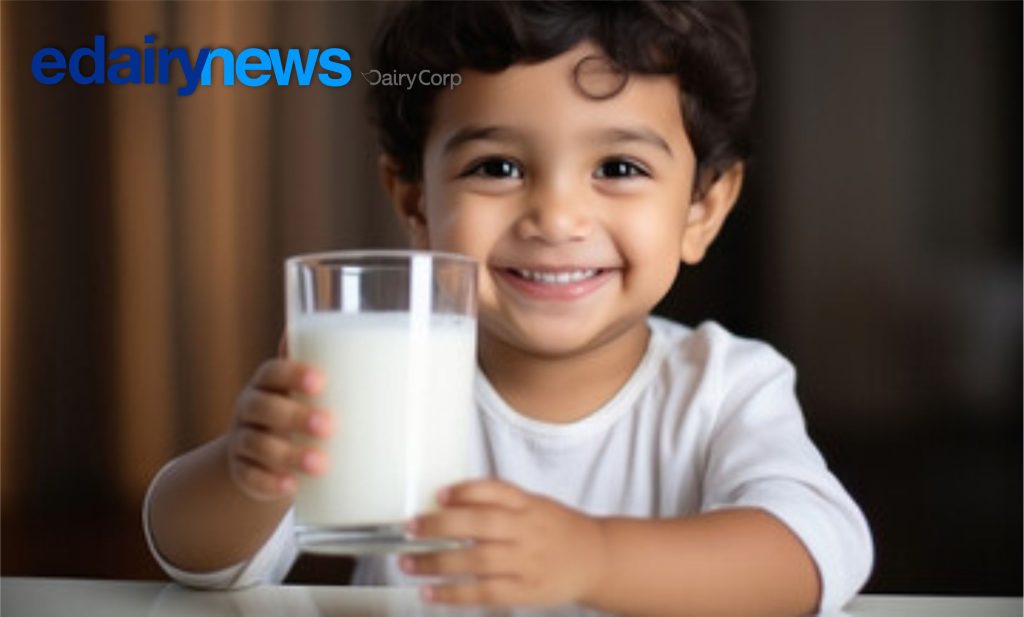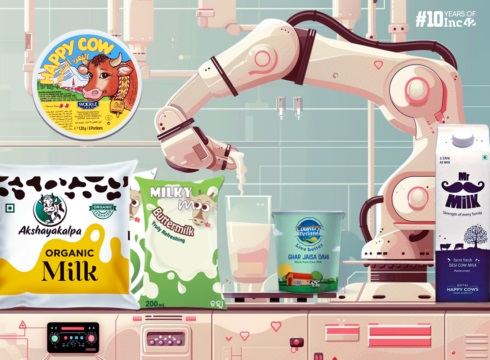


Five decades after securing global volume leadership, smart marketing, hygiene focus, and high-protein innovations redefine the humble milk glass into a premium margin engine.
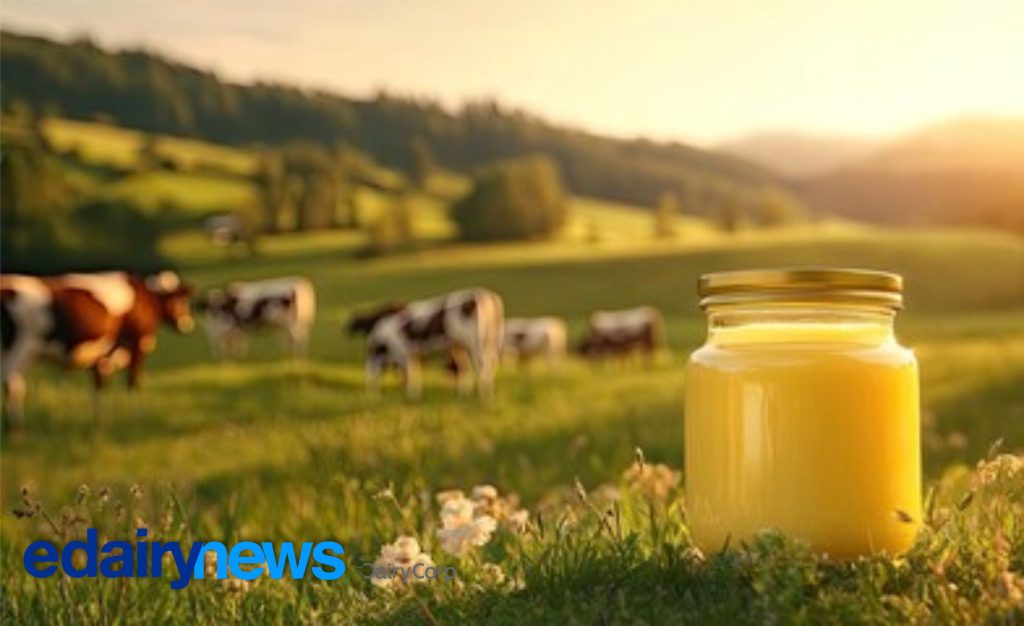
More than fifty years after the historic Operation Flood transformed India from a milk-deficient nation into the world’s largest milk producer, the domestic dairy landscape is undergoing a profound structural shift. The sector is rapidly transitioning from volume-driven liquid milk distribution toward highly lucrative Value-Added Dairy Products (VADPs). Spearheaded by smart marketing and evolving middle-class dynamics, traditional staples are being recast as functional, aspirational nutritional assets, encouraging contemporary consumers to expand their diets far beyond the basic glass of fluid milk.
This transformation is visibly reshaping the country’s daily retail ecosystem by capturing market share from the historically dominant unorganized sector. While the neighborhood doodhwala still delivers raw milk from loose metal canisters and local vendors market open-tray curd (dahi) and cottage cheese (paneer), organized brands are rapidly standardizing these exact items. By packaging traditional commodities in attractive, clean-label formats, commercial processors are successfully commanding a substantial premium from urban buyers seeking guaranteed food safety, purity, and convenience.
The shift up the value chain is being led by a diverse mix of public cooperatives and private enterprises deploying unique regional growth strategies. Market giant Amul is leveraging its massive, digitized rural procurement network to launch a highly competitive array of packaged goods at scale. Concurrently, private players like Hatsun Agro are successfully engaging affluent urban demographics through specialized premium ice-cream parlors, while niche processors like Parag Milk Foods are carving out high-margin dominance in customized cheeses and direct-to-consumer premium farm milk.
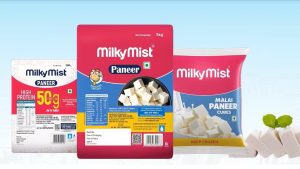
The fundamental catalyst behind this industry-wide pivot centers on the lucrative economics of deeper milk processing. While standard liquid pouch milk operates on very thin margins tightly bounded by domestic inflation, functional VADP innovations—such as lactose-free milk, probiotic yogurts, and targeted “high-protein paneer”—offer highly resilient unit economics. Turning surplus milk solids into specialized commodities allows corporate balance sheets to realize significantly higher returns per liter, building a structural hedge against volatile raw milk production costs.
However, the rapid expansion of India’s modernized consumer economy is not unfolding without friction, as external macroeconomic shocks cloud the operational horizon. Renewed geopolitical conflicts in West Asia have destabilized logistics channels and pushed global crude oil prices higher, directly impacting on-farm energy inputs and cold-chain transport costs. For the organized dairy sector, matching these international cost pressures will require sustained investments in decentralized logistics infrastructure to ensure premium value creation successfully flows back to the farmgate.
Source: Business Today Magazine / CRISIL Dairy Ratings
You can now read the most important #news on #eDairyNews #Whatsapp channels!!!
eDairy News ÍNDIA: https://whatsapp.com/channel/0029VaPidCcGpLHImBQk6x1F