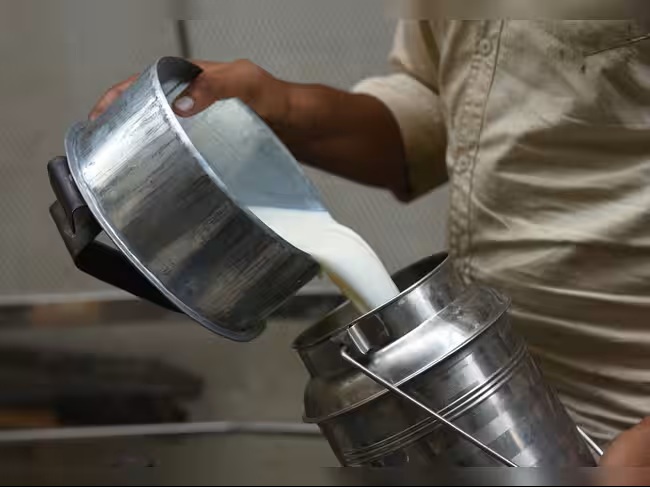




Transitioning from defensive protectionism to export competitiveness enables India to leverage its status as the world’s largest milk producer in international trade.
An analysis published by The Economic Times highlights India’s potential to evolve from a historically protectionist dairy market into a major global dairy exporting power. Despite holding the title of the world’s largest milk producer—accounting for nearly a quarter of global milk output—India’s share in international dairy trade remains under 1%, largely due to vast domestic consumption, high tariff structures, and defensive stances in multilateral trade negotiations.
Historically, India has excluded its sensitive dairy sector from major trade agreements, such as the Regional Comprehensive Economic Partnership (RCEP), to protect millions of smallholder and landless farmers from cheap, subsidized imports from major exporting nations like New Zealand, Australia, and the European Union. However, market analysts argue that maintaining an exclusively defensive posture limits long-term efficiency, suppresses scale, and restricts international growth opportunities for Indian dairy processors.
Strategic Free Trade Agreements (FTAs) offer a powerful mechanism to negotiate reciprocal market access, dismantle non-tariff barriers, and secure preferential tariffs for Indian value-added dairy exports—including ghee, skimmed milk powder (SMP), butter, paneer, and specialized indigenous products—in high-demand growth markets across the Middle East, Southeast Asia, and Africa. Entering modern trade pacts also incentives domestic processors to align with international food safety, phytosanitary, and traceability standards.
To capitalize on FTA opportunities and boost export competitiveness, India must accelerate structural modernizations across its domestic dairy value chain. Key priorities include expanding seamless cold-chain infrastructure, upgrading processing technology, enforcing strict disease-free zones (such as controlling Foot-and-Mouth Disease), and shifting focus from liquid milk distribution to high-margin value-added processing that yields higher returns for rural farming communities.
Ultimately, shifting policy emphasis toward export-oriented competitiveness enables India to transform its massive raw milk production base into a resilient commercial engine. By balancing protective safeguards for smallholder livelihoods with strategic market opening in bilateral trade deals, India can diversify its agricultural trade, mitigate domestic price volatility during peak production seasons, and establish itself as an indispensable player in global dairy markets.
Source: The Economic Times
You can now read the most important #news on #eDairyNews #Whatsapp channels!!!
eDairy News ÍNDIA: https://whatsapp.com/channel/0029VaPidCcGpLHImBQk6x1F