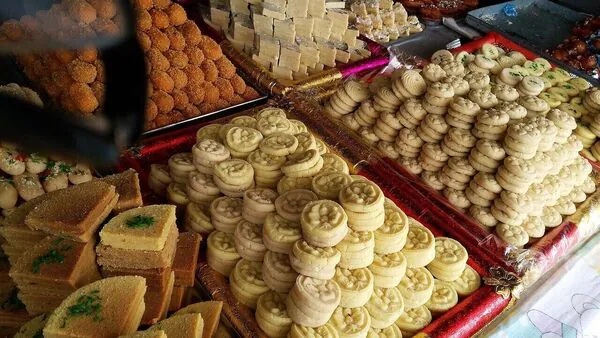




Sweet makers evaluate retail price hikes as raw milk, khoya, and ghee rates escalate ahead of key festive sales.
Traditional sweet makers across India are facing severe margin compression as essential dairy input prices surge ahead of the peak autumn festive season. Sweets and confectionery manufacturers report that raw milk, khoya, paneer, and clarified butter (ghee) costs have advanced steadily over recent months, driven by higher raw farmgate procurement rates and elevated logistics expenses. Because traditional Indian sweets rely heavily on concentrated milk solids, rising dairy commodity baselines are directly inflating baseline recipe production costs.
Procurement expenses for primary dairy ingredients have increased between 8 percent and 15 percent compared to previous seasonal baselines across major urban trade hubs. Khoya and mawa—the evaporated milk solids critical for regional delicacies—have seen significant price escalation due to tighter seasonal fluid milk supplies and increased demand from institutional buyers. Furthermore, rising packaging materials, commercial gas cylinders, and fuel transport costs are compounding operational overhead for small-scale confectioners and commercial sweet chains alike.
Confectionery trade associations indicate that many regional sweet shops are preparing to pass a portion of these increased input costs onto retail consumers through 5 to 10 percent price increases. However, manufacturers remain cautious about raising shelf prices too aggressively, fearing potential consumer resistance and lower sales volumes during high-volume cultural celebrations. Balancing essential margin protection against consumer price sensitivity presents a delicate operational challenge for sweet makers navigating the upcoming festival window.
To mitigate immediate cost pressures, commercial confectioners are streamlining procurement networks and optimizing production schedules to reduce ingredient waste. Larger sweet manufacturing operations are securing direct supply agreements with dairy processors to lock in wholesale rates for bulk ghee and condensed milk solids. Meanwhile, smaller independent sweet artisans are adjusting product assortments, emphasizing non-dairy or dry-fruit-based sweets alongside traditional milk-heavy offerings to maintain overall profit margins.
The pressure on sweet makers underscores how broader dairy supply chain dynamics filter directly into downstream consumer markets across India. As organized dairy processors raise farmgate procurement payouts to incentivize milk production, secondary food processing industries must adjust their operational and retail pricing strategies. With festive demand expected to reach annual highs over coming weeks, the confectionery sector’s ability to absorb or pass on dairy inflation will determine seasonal profitability across urban retail markets.
Source: Livemint
You can now read the most important #news on #eDairyNews #Whatsapp channels!!!
eDairy News ÍNDIA: https://whatsapp.com/channel/0029VaPidCcGpLHImBQk6x1F