



Skyrocketing petroleum and urea costs trigger a severe margin crunch for international dairy and poultry operations.
The ongoing geopolitical conflict in the Middle East has triggered a massive macroeconomic shock wave across the global agricultural sector, severely impacting vulnerable livestock value chains. Following the intensification of hostilities involving Iran, critical maritime trade corridors have experienced severe operational disruptions. This sudden logistical blockade has led to an immediate, sharp increase in international crude oil and energy benchmarks, which is rapidly inflating overhead expenses for primary producers and manufacturing processors worldwide.
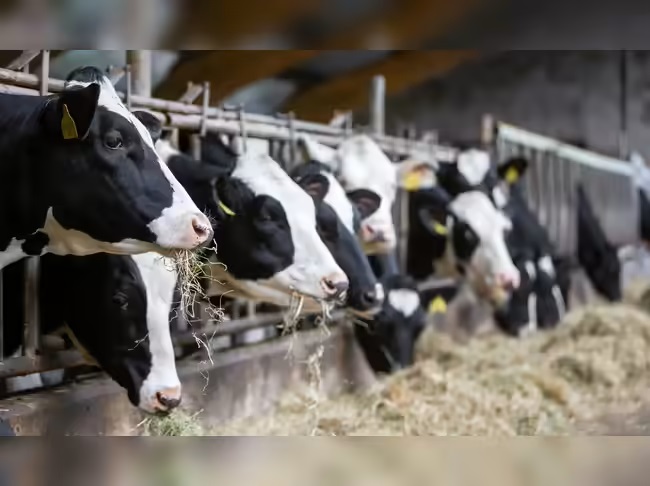
For industrial dairy operations, the most immediate consequence of this energy crisis is the dramatic escalation in fuel and transport logistics costs. Moving raw milk volumes from rural farm gates to centralized processing plants has become significantly more expensive, placing an immense burden on corporate supply chains. This transport inflation is compounding existing operational pressures, forcing manufacturing companies to re-evaluate their near-term input cost projections and retail pricing structures ahead of the upcoming fiscal quarters.
Beyond immediate logistics, the conflict has severely disrupted the global fertilizer trade, particularly the distribution of essential nitrogen-based compounds like urea. Because natural gas serves as the primary feedstock for urea synthesis, surging energy prices have driven production costs for commercial crop inputs to unprecedented highs. Dairy producers who rely heavily on intensive silage production and high-quality pasture management are facing an immediate spike in agronomic expenses, which directly limits their capacity to maintain optimal herd nutrition.
The poultry sector is experiencing a parallel economic squeeze, as soaring energy costs drive up the expense of climate-controlled housing and automated feed milling operations. Both the dairy and poultry industries operate as highly intensive, non-stop production systems that cannot easily reduce energy consumption during periods of market volatility. Consequently, these synchronized input shocks are rapidly eroding profit margins at the farm gate, raising serious concerns among agricultural lenders regarding short-term producer liquidity.
As these multi-layered inflationary pressures advance through the food supply chain, market analysts warn that retail food inflation is completely inevitable. Industrial processors cannot absorb these massive energy and raw material spikes indefinitely without passing a substantial portion of the cost down to consumer markets. In the coming months, global shoppers can expect to see noticeable upward price adjustments across staple refrigerator categories, including fresh fluid milk, poultry meat, and table eggs.
Source: The Economic Times
You can now read the most important #news on #eDairyNews #Whatsapp channels!!!
🇮🇳 eDairy News ÍNDIA: https://whatsapp.com/channel/0029VaPidCcGpLHImBQk6x1F