



The state cooperative imposes a 20-liter daily procurement limit per producer to decentralize historic price hikes and uplift marginal smallholders.
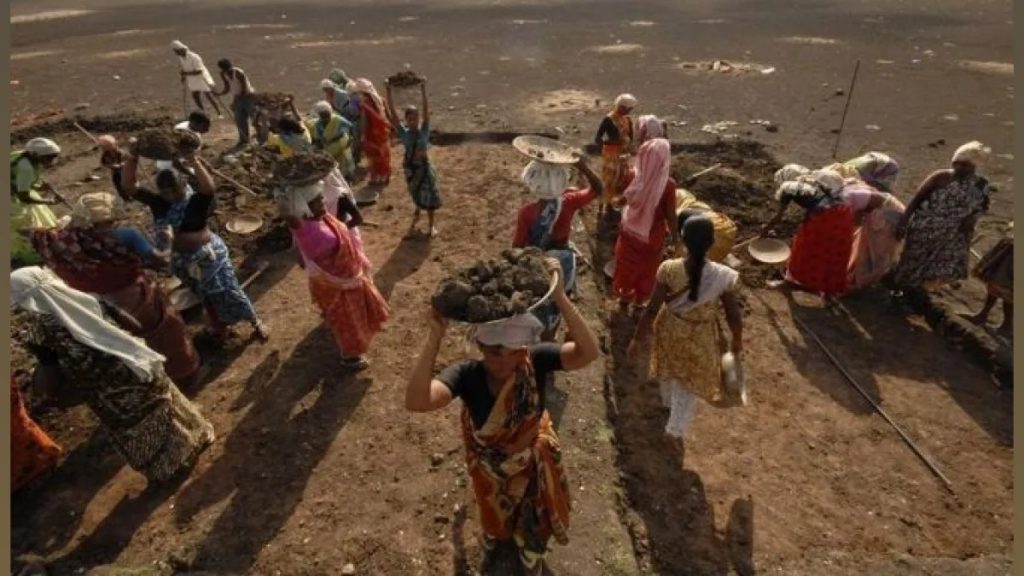
The Himachal Pradesh State Cooperative Milk Producers’ Federation (HP Milkfed) has officially instituted a strategic daily procurement limit of 20 liters per individual dairy producer. According to an official organizational spokesperson, the policy intervention is deliberately designed to decentralize the state’s public procurement benefits and integrate a broader demographic of rural households into the structured cooperative network. By regulating maximum single-source intakes, administration managers intend to distribute commercial processing capacity more equitably across northern India’s regional milkshed.
The operational adjustment comes as a direct consequence of soaring regional milk production, triggered by the state government’s aggressive implementation of a highly competitive Minimum Support Price (MSP) framework. To insulate primary producers from volatile private market cycles, regional authorities executed a phased, historic upward revision of baseline farmgate values. Under the current pricing mandate, cow milk procurement rates have been elevated from Rs 32 to Rs 61 per liter, while buffalo milk support prices surged from Rs 47 to a highly lucrative Rs 71 per liter.
This highly bullish pricing environment has driven unprecedented volumes of raw milk into the cooperative supply chain, necessitating a structural mechanism to protect processing margins and smallholder equity. Executive regulators emphasized that without the 20-liter structural cap, the financial windfalls of the state-subsidized MSP risked being disproportionately monopolized by a narrow pool of high-volume commercial operations. The new intake limits ensure that small and marginal family farms retain guaranteed access to premium state-backed collection centers.
Statistical logs tracking the state’s organized dairy sector validate the rapid expansion of grassroots participation under the updated economic policies. Over a rolling two-year evaluation window, the aggregate number of active dairy producers registered within the state cooperative system climbed from 28,645 to a robust 42,500 individual stakeholders. Simultaneously, automated village collection centers recorded a major expansion in daily intake, with total baseline milk procurement rising from 1.57 lakh liters per day (LLPD) to an impressive 2.20 LLPD.
For the international dairy community and agricultural economists, HP Milkfed’s structural experiment provides a unique case study in utilizing localized procurement caps to strengthen regional economic resilience. By aligning public-private processing partnerships with strict rural wealth redistribution goals, the provincial model aims to transition smallholders from basic subsistence to active micro-entrepreneurs. Moving forward, the cooperative’s ability to maintain processing efficiencies amidst a massive influx of registered suppliers will determine the long-term fiscal viability of its high-payout strategy.
Source: Rediff Money
You can now read the most important #news on #eDairyNews #Whatsapp channels!!!
eDairy News ÍNDIA: https://whatsapp.com/channel/0029VaPidCcGpLHImBQk6x1F