

Indian food safety authorities challenge infant formula claims and promotional campaigns by major nutritional dairy processors.
The Food Safety and Standards Authority of India (FSSAI) has initiated wide-ranging regulatory scrutiny across the pediatric and specialized dairy nutrition sector, serving formal show-cause notices to leading corporate processors including Nestlé India, Abbott Healthcare, Nutricia International, Mead Johnson Nutrition India, and Zydus Wellness. The statutory intervention targets advertising claims concerning digestion, cognitive brain development, immunity enhancement, and physical growth acceleration across commercial infant milk substitutes and fortified dairy beverage brands. Additionally, the regulatory authority flagged unauthorized digital promotions and social media influencer campaigns allegedly endorsing infant milk substitutes in violation of the Infant Milk Substitutes (IMS) Act of 1992 and the Food Safety and Standards (Foods for Infant Nutrition) Regulations of 2020. By demanding verifiable clinical evidence within prescribed deadlines, regulatory authorities have signaled an intensified enforcement posture aimed at protecting infant public health and curbing deceptive marketing within India’s fast-expanding functional dairy market.
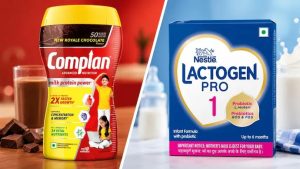
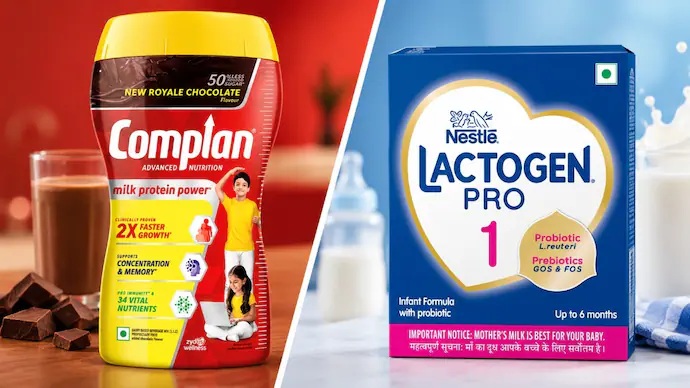
At the product formulation level, the regulatory notices demand comprehensive scientific validation for specific bio-functional ingredients and digestibility assertions on commercial packaging. Nestlé India has been directed to provide peer-reviewed documentation substantiating claims that the whey protein matrix in its Lactogen Pro 1 infant formula powder is “easy to digest,” alongside inquiries into its Nan Excella Pro Stage 1 packaging claiming that “5 HMOs helps support normal immune system.” The regulatory body warned that framing human milk oligosaccharides (HMOs) in this manner could unlawfully imply disease prevention or physiological treatment capabilities without prior statutory clearance. Concurrently, notices were issued to digital influencer Ira Fathima and multiple multinational manufacturers over an Instagram campaign highlighting a “Top 5” infant formula ranking—featuring brands such as Nan-Pro 1, Aptamil Premium 1, Similac Advance 1, Enfamil A+ Stage 1, and Dexolac 1—which attributed specialized immune and developmental benefits to commercial formulations in direct contravention of statutory restrictions governing the public marketing of infant milk substitutes.
Extending scrutiny beyond infant formula, the regulatory authority challenged marketing communications within the broader dairy-based fortified children’s beverage category, issuing a detailed notice to Zydus Wellness regarding its Complan brand. The regulator questioned core marketing statements displayed on packaging and digital retail storefronts, specifically challenging slogans promising “2X Faster Growth,” “Supports Concentration and Memory,” and “Pro Immunity + 34 Vital Nutrients.” Regulatory officials highlighted that assertions such as “Grow Taller, Faster: Clinically Proven 2X Growth” and promotional phrases like “Growth Comes in 4 Flavours” potentially violate the Food Safety and Standards (Advertising and Claims) Regulations of 2018. The children’s milk-additive segment represents an essential volume outlet for domestic spray-dried skim milk powder, whey derivatives, and dairy fats, making compliance determinations pivotal for FMCG brand positioning and retail product formulations.
From an enterprise finance and corporate portfolio management perspective, the heightened regulatory oversight directly impacts high-margin product categories that drive corporate balance sheet profitability. Specialized pediatric nutrition formulations and fortified dairy powders generate gross operating margins often exceeding 35 to 45 percent, providing substantial cash flows compared to low-margin standardized liquid milk pouches. A protracted legal dispute or mandated labeling overhaul under the Food Safety and Standards Act of 2006 creates operational risks, including potential packaging inventory write-downs, escalated legal expenditures, and mandatory delays in scheduled product line launches. Multinational dairy enterprises operating in South Asia must now allocate greater capital outlays toward independent clinical trial documentation and domestic compliance audits to protect their corporate brand equity and avoid regulatory penalties or marketing bans.
At the farmgate procurement and processing level, pediatric nutrition relies heavily on pristine raw milk quality, requiring processing companies to maintain dedicated, cold-chain compliant milk sourcing footprints. Upstream dairy farmers participating in specialized corporate collection routes—such as those centered in northern dairy belts—depend on the commercial expansion of premium infant formulas and fortified powders to secure reliable volume off-take and component-based procurement premiums. While the regulatory notices represent formal demands for technical explanation rather than definitive findings of legal liability, they establish strict operational boundaries heading into 2027. Demonstrating authentic scientific substantiation for product claims will be essential for corporate processors to preserve consumer brand loyalty, safeguard specialized milk procurement networks, and maintain sustainable value creation across the dairy nutrition supply chain.
Source: India Today
You can now read the most important #news on #eDairyNews #Whatsapp channels!!!
🇮🇳 eDairy News ÍNDIA: https://whatsapp.com/channel/0029VaPidCcGpLHImBQk6x1F