



Marked around National Milk Day on November 26, livestock owners in Jharkhand face a green fodder deficit estimated at roughly 50% or more alongside a 21% dry fodder gap, driving up feed bills and pressuring smallholder dairy margins.
Livestock farmers across Jharkhand are contending with a severe shortage of green fodder and affordable cattle feed around National Milk Day on November 26, underscoring how feed supply bottlenecks weigh on grassroots dairy producers even as national milk output headlines celebrate sector growth. Agricultural and fodder development assessments for the state point to a green fodder deficit of roughly 50 percent and above, alongside a 21 percent dry fodder shortfall, driven by limited acreage dedicated to fodder crops, shrinking open grazing spaces, and gaps in organized fodder supply chains.
For small and marginal dairy operators—including peri-urban khatal (cattle-yard) producers around Ranchi—the squeeze between scarce forage and higher feed purchases directly erodes daily operating margins:
-
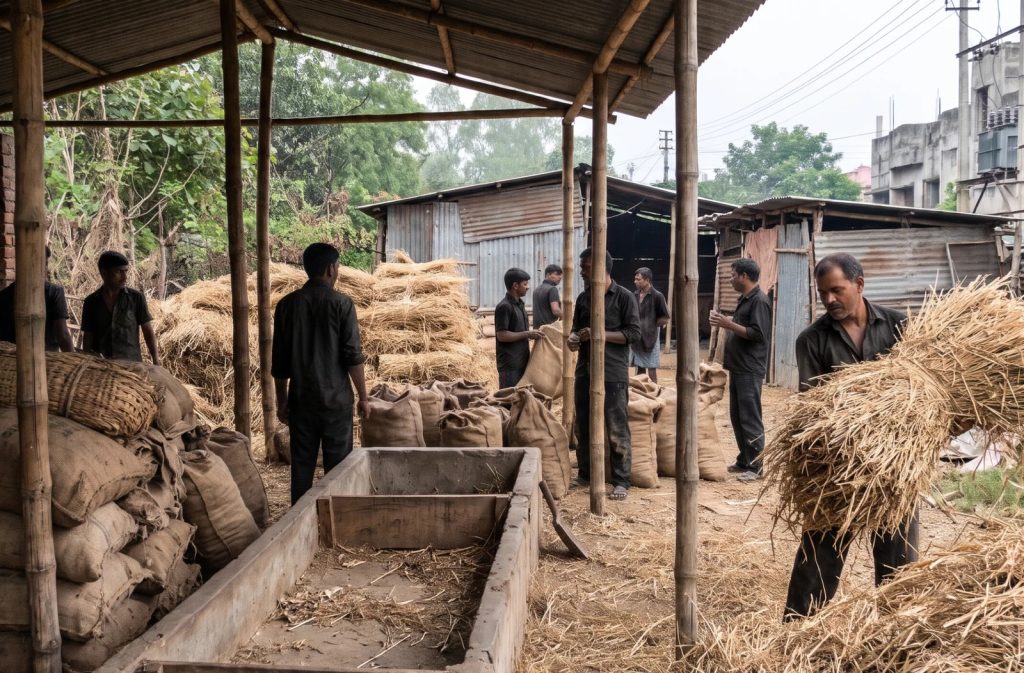
Fodder Deficit and Shrinking Grazing Land: Limited dedicated fodder cultivation and urban expansion reducing accessible green pastures leave many herds reliant on crop residues such as paddy straw, dry grass, and local vegetation that lack balanced nutrition.
-
Rising Purchased Feed Costs: Turning to commercial and purchased cattle feed to bridge nutrition gaps raises monthly out-of-pocket expenses, creating acute cash-flow pressure for small-scale owners who keep only a few animals.
Supply Chain and Input Gaps: Without reliable local fodder banks, quality seed access, and structured feed-distribution networks, producers face recurring vulnerability to seasonal forage shortfalls and price spikes.
Local khatal operators in Ranchi highlighted how quickly feed constraints translate into higher production costs. Yaduvati Yadav, a khatal owner in Argora, noted that securing sufficient green grass has grown harder as urbanization limits availability, forcing greater reliance on purchased feed that drives up operating costs. Similarly, Jitender Shukla, a khatal owner in Kokar, pointed out that producers must piece together whatever local feed they can find and buy additional supplies when possible, making cattle upkeep increasingly expensive and difficult for small farmers to sustain.
Across India’s broader dairy landscape, consistent nutrition underpins animal health, fertility, and milk yield, particularly for smallholder households that depend on daily milk sales for steady cash income. When green fodder falls short, farmers face a difficult trade-off between paying higher feed bills to maintain herd condition and absorbing lower milk output or tighter net returns.
Addressing structural fodder deficits through improved fodder cultivation, better forage preservation, and stronger local feed supply channels remains a critical priority if regional dairy farmers are to share durably in the sector’s long-term growth.
Source: The Guardian Chronicle
You can now read the most important #news on #eDairyNews #Whatsapp channels!!!
🇮🇳 eDairy News ÍNDIA: https://whatsapp.com/channel/0029VaPidCcGpLHImBQk6x1F