



According to a new sector assessment by CareEdge Ratings, retail liquid milk tariffs across India have risen by Rs 4 to Rs 8 per litre in FY27 as slower raw milk production growth, lower regional butterfat levels, and rising feed and processing expenses defy traditional winter flush price relief.
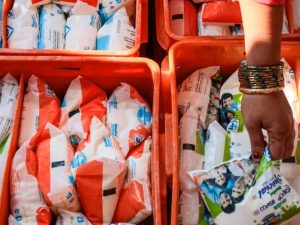
Retail liquid milk prices across India have climbed between Rs 4 and Rs 8 per litre across select product variants during financial year 2026–27 (FY27), bucking the historical seasonal pattern in which winter flush inflows ease consumer dairy inflation. Highlighted in a sector report by CareEdge Ratings on November 18–19, 2026, the analysis notes that major cooperative and private dairy processors enacted fresh retail increases of Rs 2 to Rs 6 per litre in November 2026 alone—including Rs 2 to Rs 4 per litre revisions by Amul and Mother Dairy effective November 12, alongside an Rs 8 per litre tariff hike by the Karnataka Milk Federation earlier in the month. Unlike typical post-monsoon cycles between October and February when cooler weather and abundant green fodder boost raw milk availability and lower farmgate procurement costs, persistent supply tightness and elevated operating expenses have kept retail milk rates on an upward trajectory.
Supply-side constraints and cyclical production moderation explain why India’s traditional winter flush has failed to cool raw milk procurement inflation. CareEdge Ratings data indicates that while India’s total milk production rose 3.6 percent from 247.9 million tonnes in FY25 to an estimated 256.8 million tonnes in FY26—lifting daily per-capita milk availability from 485 grams to roughly 498 grams—the overall pace of production growth has moderated compared with earlier expansion cycles. Biological lactation rhythms typically trigger natural output fluctuations every three to four years, and several key milk sheds have also experienced lower raw milk butterfat percentages. Compounding tighter farmgate inflows, skimmed milk powder (SMP) prices surged roughly 36 percent year-on-year in October 2026 to approximately $3,850 per tonne, tightening domestic solids availability across the organized processing sector.
Upstream feed inflation and downstream plant overhead costs have placed sustained pressure on dairy processor margins throughout FY27. Elevated prices for cattle feed, green and dry fodder, food-grade packaging films, processing utilities, and refrigerated transport forced dairy unions and private brands to pass higher procurement payouts directly on to retail consumers. Long-term retail pricing benchmarks compiled by CareEdge Ratings using Centre for Monitoring Indian Economy (CMIE) data underscore the cumulative inflationary shift: average national retail milk prices rose from Rs 42.8 per litre in FY19 to Rs 59.1 per litre in FY26—a 38 percent increase over seven years at a compound annual growth rate of roughly 4.7 percent—before reaching an average of Rs 60.4 per litre during the first half of FY27. Under November 2026 tariff schedules, full-cream milk reached Rs 76 per litre while toned milk rose to Rs 62 per litre across major metropolitan markets.
Capital expenditure plans across India’s organized dairy sector remain robust despite near-term raw milk procurement headwinds. CareEdge Ratings estimates that dairy processors are currently operating at roughly 80 percent plant capacity utilization and are preparing to deploy more than Rs 15,000 crore in capacity expansion investments through FY29. Targeted toward high-margin value-added dairy categories such as curd, paneer, ghee, fermented beverages, and cheese, these capital projects are projected to generate over Rs 40,000 crore in incremental medium-term industry revenue—provided processors can secure reliable, scalable raw milk supplies from rural milk sheds.
Consumer budget sensitivity and nutrition access remain important considerations as higher retail prices test household spending across urban and semi-urban India. While organized dairy players benefit from steady consumer migration away from unbranded loose milk toward packaged, traceable dairy staples, prolonged retail price firmness risks moderating volume growth among price-conscious households. CareEdge Ratings assistant director Komal Israni noted that because winter procurement rates have not softened as they normally do during the flush season, retail milk prices are expected to remain firm throughout the remainder of FY27.
Looking ahead into early 2027, stabilizing retail milk prices will depend on winter fodder recovery, improved milkfat solids per litre, and balanced raw milk procurement across major producing states. Processors that pair disciplined procurement management with value-added portfolio diversification will be best positioned to sustain earnings as India’s dairy sector navigates a tighter supply cycle.
(Note: Direct access to The Telegraph India webpage was restricted; details were verified using syndicated coverage of the CareEdge Ratings report cited in the article. If you would like me to incorporate specific quotes from The Telegraph India piece, please paste the text here and I will update the post.)
Source: The Telegraph India
You can now read the most important #news on #eDairyNews #Whatsapp channels!!!
🇮🇳 eDairy News ÍNDIA: https://whatsapp.com/channel/0029VaPidCcGpLHImBQk6x1F