


State government prohibits non-dairy synthetic paneer across supply chains to eliminate consumer deception and protect public health.
The Government of Andhra Pradesh has enacted a comprehensive one-year ban on the manufacture, storage, transport, distribution, and commercial sale of analogue (non-dairy) paneer throughout the state. Under a formal gazette notification issued by Commissioner of Food Safety and Secretary (Medical and Health) G. Veerapandian, the regulatory prohibition targets synthetic and imitation paneer formulations manufactured using vegetable oils, non-dairy powders, and chemical emulsifiers. The state administration cited severe public health risks and widespread consumer deception across wholesale, retail, and hospitality channels as the primary drivers behind the prohibition.
Under the regulatory directive, food safety enforcement squads have been instructed to monitor dairy distribution nodes, banquet facilities, commercial cloud kitchens, sweet makers, and roadside food vendors to prevent non-dairy analogues from being misrepresented as genuine bovine milk paneer. Authorities emphasized that while dairy analogues may exist in formal industrial food manufacturing under strict, explicit labeling guidelines, commercial food business operators across Andhra Pradesh have frequently passed off low-cost imitation blocks as authentic milk-derived paneer. This misrepresentation deprives consumers of essential dairy proteins while exposing them to unvetted hydrogenated fats and artificial additives.
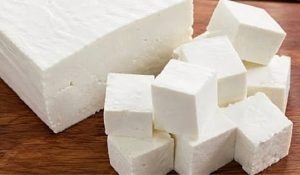
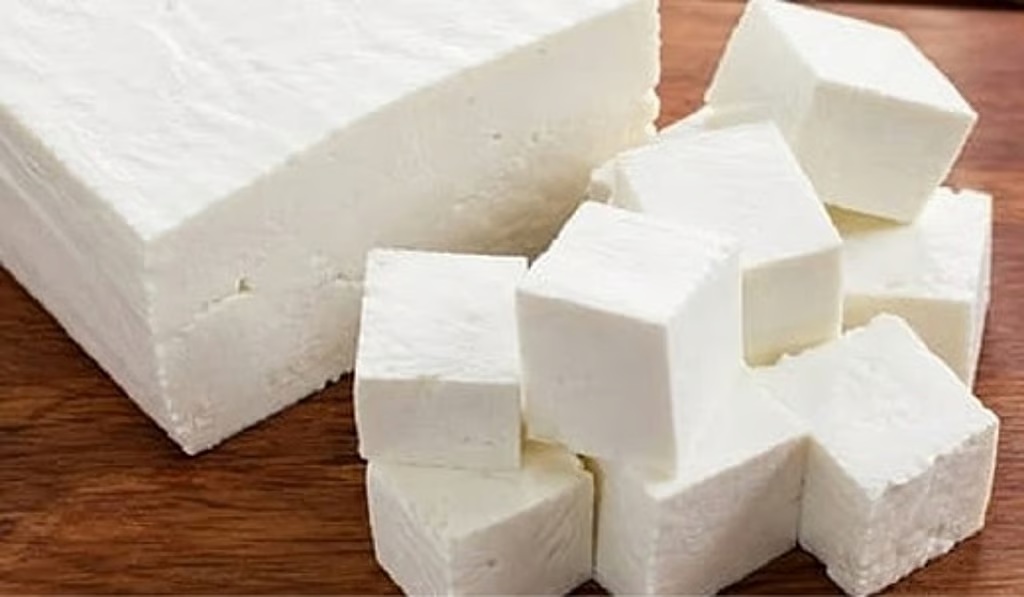
From a dairy technology and nutritional chemistry perspective, genuine traditional paneer is an acid-coagulated fresh dairy product obtained exclusively from bovine milk (cow or buffalo) through the application of heat and food-grade acidulants, retaining wholesome milk fat, casein proteins, and calcium. In stark contrast, analogue paneer replaces milk fat entirely with cheaper vegetable fats—predominantly palm oil, hydrogenated oils, or industrial vegetable fat fractions—and utilizes starch, skimmed milk powder (SMP) substitutes, and emulsifying salts to recreate the curd texture and sliceability of natural dairy cheese. Chronic intake of hydrogenated non-dairy fat substitutes carries long-term cardiovascular risks, particularly when substituted without consumer knowledge.
From an organized dairy processing and market economics standpoint, the widespread circulation of synthetic analogue blocks severely undermines legitimate cooperative and private dairy processors. Producing pure milk paneer requires approximately seven to eight liters of whole milk to yield one kilogram of finished curd, binding production costs directly to prevailing farmgate raw milk procurement rates. Analogue paneer, by relying on inexpensive bulk vegetable oils and starch, can be manufactured at a fraction of the cost. When commercial eateries and catering networks substitute real paneer with cheap analogues to widen operating margins, it suppresses legitimate wholesale demand for raw milk solids, depressing farmgate realizations for rural livestock keepers.
At the policy and regulatory governance level, Andhra Pradesh’s decisive intervention aligns with broader nationwide enforcement initiatives spearheaded by the Food Safety and Standards Authority of India (FSSAI) to curb dairy imitation and food adulteration. Food safety wings across Vijayawada, Visakhapatnam, Guntur, and Tirupati have commenced field sampling and rapid testing across major wholesale trading mandis and transport check-posts to ensure compliance. Heading into 2027, the state’s proactive one-year ban provides a clear standard for food safety enforcement, safeguarding consumer nutrition while defending the integrity of genuine dairy supply chains and rural dairy livelihoods.
Source: The New Indian Express
You can now read the most important #news on #eDairyNews #Whatsapp channels!!!
🇮🇳 eDairy News ÍNDIA: https://whatsapp.com/channel/0029VaPidCcGpLHImBQk6x1F