


Food safety regulators sanction criminal proceedings against Dodla Dairy after referral testing detects caustic soda in full cream milk samples.
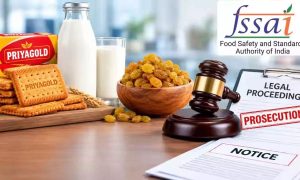
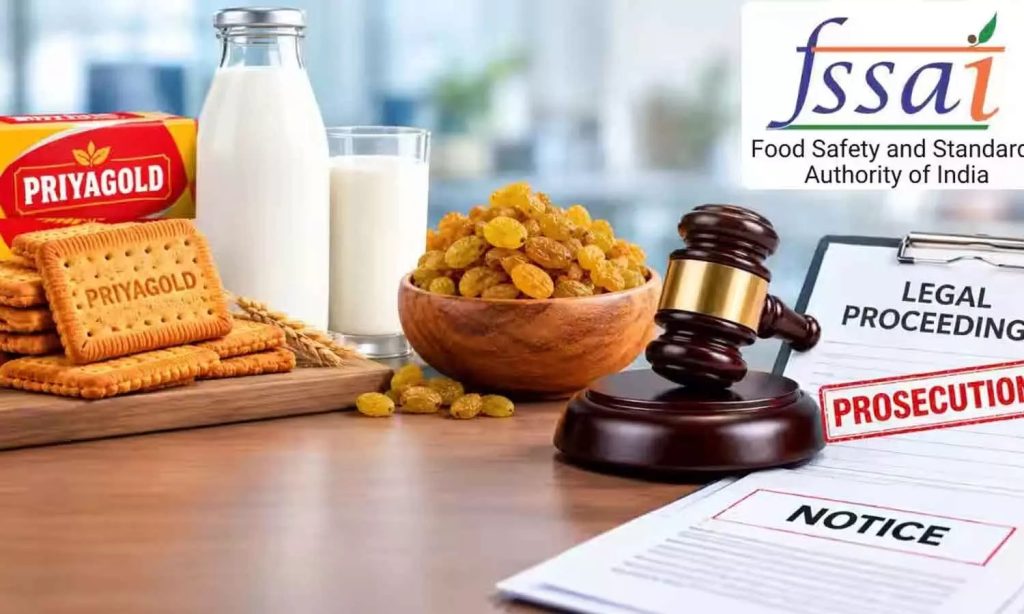
The Food Safety and Standards Authority of India has formally sanctioned criminal prosecution against Dodla Dairy Limited following conclusive appellate laboratory testing on its commercial full cream milk. Regulatory enforcement escalated after an official referral laboratory confirmed that retail batches failed statutory compositional parameters and contained prohibited chemical residues, specifically identifying detergent or caustic soda within the product matrix. While initial surveillance sampling had flagged the milk as substandard due to a significant shortfall in required milk fat levels, the confirmation of alkaline cleaning agents prompted federal authorities to classify the product as unsafe under the Food Safety and Standards Act of 2006. Sanctioning criminal prosecution marks a decisive escalation beyond routine administrative warnings, establishing legal proceedings against executive directors and quality controllers associated with the enterprise. This coordinated regulatory offensive highlights intensifying scrutiny across corporate fluid milk processors to eliminate severe chemical hazards from the national dairy supply chain.
From an industrial processing and plant engineering standpoint, the detection of caustic chemicals in finished packaged milk points to acute breakdowns in automated hygiene protocols or unauthorized milk stabilization. Commercial dairy bottling operations rely extensively on automated clean-in-place (CIP) regimens that circulate sodium hydroxide solutions through sanitary stainless steel pipelines, plate heat exchangers, and balance tanks to eliminate organic milk soils. When flow diversion valves malfunction, mechanical rinse sensors fail, or line drainage procedures are truncated, caustic wash chemicals can bypass purge cycles and contaminate subsequent processing runs. Concurrently, unscrupulous collection intermediaries occasionally deploy alkaline neutralizers like caustic soda to chemically buffer souring raw milk and suppress titratable acidity before factory receiving docks. Regardless of whether the contaminant entered through industrial wash-line carryover or upstream milk stabilization, the presence of strongly alkaline detergents compromises pasteurized milk integrity and presents severe acute gastrointestinal risks to consumer households.
In terms of regional market competition and brand positioning, regulatory sanctions against a major private dairy processor disrupt retail distribution channels across southern India. Headquartered in Hyderabad, the company operates an extensive processing and distribution footprint spanning Andhra Pradesh, Telangana, Karnataka, and Tamil Nadu, marketing packaged liquid milk and curd directly against established rivals such as Heritage Foods, Hatsun Agro Product, Vijaya Dairy, and the Karnataka Milk Federation’s Nandini brand. Modern retail supermarkets, institutional foodservice caterers, and rapid-delivery quick-commerce platforms enforce stringent food safety compliance covenants that automatically trigger product de-listings when formal criminal prosecutions are sanctioned. Furthermore, recurring regulatory findings of chemical contamination undermine consumer trust in branded liquid milk, accelerating shifts toward cooperative federations and private competitors that can demonstrate unbroken quality assurance across retail display cabinets. Rebuilding brand equity in the highly competitive urban milk market will require total operational transparency, independent facility certifications, and aggressive consumer assurance messaging.
From an enterprise finance and balance sheet perspective, navigating formal criminal prosecution introduces significant operational liabilities and investor scrutiny for listed dairy entities. Defending complex food safety litigation across judicial courts requires substantial legal expenditures and creates prolonged contingent liabilities that can weigh on corporate equity valuations. Operating plants facing regulatory scrutiny must allocate unbudgeted capital expenditure toward retrofitting automated conductivity sensors, installing continuous pH monitoring systems on pasteurizer bypass loops, and upgrading factory wastewater management infrastructure. Moreover, commercial banks and institutional lenders underwriting working capital facilities frequently review environmental, social, and governance covenants following federal food safety violations, potentially tightening credit parameters during peak seasonal procurement. Deploying internal capital reserves toward third-party accredited laboratory audits and advanced testing equipment remains necessary to insulate corporate cash flows from punitive judicial fines and distributor warranty penalties.
At the farmgate procurement level, the legal sanction against corporate milk adulteration reinforces the necessity of stringent testing standards at rural bulk milk chilling centers. Commercial dairy processors handling hundreds of thousands of liters of raw milk daily depend on decentralized collection networks where price incentives are pegged directly to verified butterfat and solid-not-fat percentages. When processors attempt to salvage failing fluid milk quality through chemical manipulation or inadequate standardization, the practice distorts the market and disincentivizes compliant dairy farmers who invest in clean milk production and balanced herd rations. As regulatory authorities intensify spot testing and molecular analysis across commercial dairies heading into 2027, private dairy processors must modernize village-level chilling infrastructure and implement automated milk collection analyzers. Establishing rigorous, tamper-proof quality monitoring from farmgate to retail shelf remains essential to maintaining fair producer milk check realizations, restoring public confidence, and securing long-term economic resilience for the Indian dairy sector.
Source: The Hans India
You can now read the most important #news on #eDairyNews #Whatsapp channels!!!
🇮🇳 eDairy News ÍNDIA: https://whatsapp.com/channel/0029VaPidCcGpLHImBQk6x1F