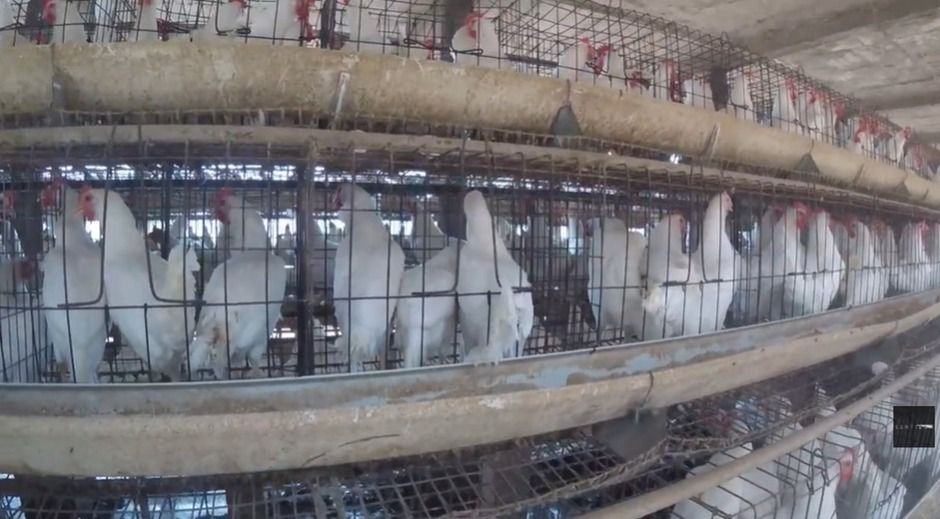




Multi-state field investigations expose widespread non-compliance in effluent disposal, biosecurity protocols, and animal housing across commercial livestock operations.
Extensive field investigations across commercial livestock and dairy operations in multiple Indian states have revealed systemic discrepancies between statutory welfare standards and actual on-ground farm management practices. Detailed assessments spanning more than one hundred dairy units and commercial poultry facilities documented widespread non-compliance with environmental mandates, livestock welfare codes, and public health guidelines. Investigators identified severe structural deficits across urban and peri-urban dairies, where seventy to eighty percent of facilities operate immediately adjacent to residential neighborhoods, with up to ten percent situated directly along natural watercourses. The findings underscore how rapid urban expansion and informal dairy clustering have outpaced regional monitoring capacities, creating significant pollution liabilities and bio-containment risks across major agricultural states including Gujarat, Punjab, and Haryana.
From an operational and herd management perspective, the field evaluations highlighted persistent animal husbandry shortcuts driven by acute space constraints and intensive production targets. Prolonged tethering and restrictive confinement were observed in the vast majority of assessed dairy sheds, where milking stock remained tied on short tethers without access to open exercise paddocks. Furthermore, the documented use of hormonal stimulants like oxytocin to induce milk letdown reached approximately ninety percent of surveyed urban and peri-urban dairy units, reflecting an entrenched reliance on off-label pharmaceuticals to sustain daily lactation volumes. Basic biosecurity measures, quarantine protocols for newly introduced stock, and personal protective equipment for farm labor were largely absent across the investigated sheds. These management shortcuts not only compromise livestock longevity and udder health, but also accelerate sub-clinical disease transmission across densely populated milk sheds.
The persistent compliance deficit exposes significant enforcement bottlenecks within regional regulatory frameworks and municipal inspection architectures. While the Central Pollution Control Board (CPCB) has established detailed environmental guidelines classifying dairy farms into green, orange, or red categories based on herd inventory, municipal corporations and State Pollution Control Boards face chronic staffing shortages that impede routine on-site audits. Consequently, untamed manure runoff, unsegregated solid waste, and untreated wastewater continue to discharge directly into municipal storm drains and open drainage canals. Similar inspection gaps were recorded in commercial poultry units, where carcass management frequently relied on open disposal or unregulated burial rather than biosecure incineration. This regulatory disconnect demonstrates that existing statutory mandates remain largely theoretical without dedicated municipal enforcement squads, routine spot-testing mechanisms, and clear institutional accountability.
From an enterprise economics and capital expenditure standpoint, complying with environmental and animal welfare directives presents a formidable financial barrier for independent dairy producers operating on razor-thin operating margins. Small and medium commercial operators face escalating fodder prices, high compound feed costs, and elevated veterinary expenses, leaving minimal operating liquidity to invest in capital-intensive waste management infrastructure. Installing automated slurry separators, effluent treatment systems, or covered manure composting yards requires upfront capital expenditure that cannot easily be amortized against current farmgate milk realizations. Moreover, dairy operators consistently report inadequate access to subsidized agricultural credit, livestock insurance coverage, and formal technical extension, which severely limits their ability to modernize legacy housing facilities. Without targeted state subsidies or viable public-private co-financing models, smallholder and peri-urban dairies remain financially incapable of absorbing the cost of environmental compliance.
At the farmgate level, bridging the divide between written regulations and operational reality is essential for safeguarding long-term market access and consumer trust in India’s organized dairy value chain. As multinational food processors and domestic cooperative federations face growing scrutiny regarding supply chain sustainability, farm-level traceability and audited welfare metrics are becoming central to milk procurement contracts. Addressing the identified gaps will require state governments to establish integrated dairy colonies equipped with centralized effluent treatment plants, biogas digesters, and accessible veterinary care corridors away from crowded urban centers. Looking ahead to 2027, transitioning from punitive regulatory notices to constructive technical support and infrastructure financing will be critical for modernizing dairy production while preserving the economic viability of commercial milk producers.
Source: Ahmedabad Mirror
You can now read the most important #news on #eDairyNews #Whatsapp channels!!!
🇮🇳 eDairy News ÍNDIA: https://whatsapp.com/channel/0029VaPidCcGpLHImBQk6x1F