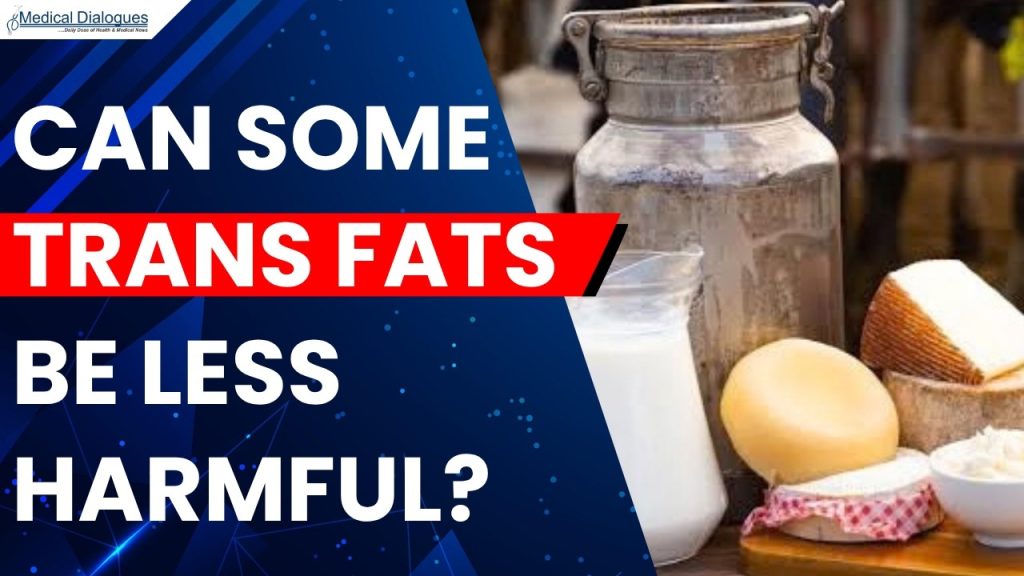




A comprehensive meta-analysis of twenty-two clinical and cohort studies demonstrates that naturally occurring trans fats in milk, butter, and cheese do not pose the cardiometabolic risks linked to industrial alternatives.
A landmark scientific review published in Nutrition Research and reported by Medical Dialogues has revealed that naturally occurring trans fatty acids found in dairy products do not carry the adverse cardiovascular and metabolic risks historically associated with industrial trans fats. Conducted by international researchers from the University of Reading alongside institutions in Canada and the United States, the systematic review and meta-analysis evaluated evidence across 22 studies, comprising 10 randomized controlled feeding trials and 12 long-term prospective cohort studies. The researchers concluded that consuming dairy products naturally containing ruminant trans fats—including whole milk, butter, cheese, and yogurt—does not adversely affect major blood lipid profiles or increase the incidence of coronary heart disease, stroke, or type 2 diabetes. The findings provide vital scientific backing for the dairy industry as public health authorities and food standards agencies re-evaluate fat classification standards worldwide.
From a dairy biochemistry and human nutrition perspective, the review draws a sharp distinction between the physiological effects of industrial trans fats and natural ruminant lipids. Industrial trans fatty acids, produced via the chemical partial hydrogenation of vegetable oils to create solid shortenings and margarines, have long been proven to elevate low-density lipoprotein (LDL) cholesterol, depress high-density lipoprotein (HDL) cholesterol, and induce systemic vascular inflammation. In contrast, dairy-derived trans fats—predominantly trans-vaccenic acid, rumenic acid (the primary isomer of conjugated linoleic acid, or CLA), and trans-palmitoleic acid—originate through the natural anaerobic microbial biohydrogenation of unsaturated plant lipids within the bovine rumen. In the evaluated randomized controlled trials, where human participants consumed between 1.3 and 13.2 grams of natural dairy trans fats daily, researchers recorded no clinically meaningful alterations in total cholesterol, LDL-to-HDL ratios, or blood triglycerides compared to baseline diets, proving that these natural fatty acid isomers behave distinctly within human metabolic pathways.
The epidemiological data further challenges long-standing dietary recommendations that have historically discouraged full-fat dairy consumption. The 12 prospective cohort studies evaluated in the meta-analysis followed tens of thousands of participants over durations ranging from five years to more than two decades, utilizing circulating biomarkers in blood plasma to track long-term dairy fat intake. Across these extended population cohorts, elevated blood concentrations of dairy trans fats were not associated with increased cardiovascular morbidity or mortality. Crucially, in the evaluation of metabolic endpoints, several studies documented an inverse, protective relationship between circulating levels of ruminant trans-palmitoleic acid and the onset of type 2 diabetes. These findings demonstrate that broad regulatory frameworks that treat all trans fatty acids as a uniform chemical hazard oversimplify complex nutritional realities and ignore the protective dairy matrix.
From a commercial marketing and dairy processing perspective, the review arrives at a time of surging consumer demand for whole milk, authentic butter, and full-fat cultured dairy. For decades, consumer packaged goods manufacturers and dairy processors were forced to formulate low-fat or fat-free alternatives to comply with standardized dietary dietary guidelines that penalized saturated and trans fats indiscriminately. However, contemporary grocery shopping patterns are demonstrating a sustained migration back toward minimally processed, nutrient-dense whole foods. Dairy processors that have made substantial capital investments in butter churns, cream separation units, and artisan cheese vats stand to benefit commercially from peer-reviewed evidence vindicating natural milk fat. Furthermore, establishing clear distinctions between ruminant lipids and artificial industrial compounds provides commercial processors with rigorous evidence to counter anti-dairy marketing claims advanced by ultra-processed plant-based alternatives.
At the farmgate level, scientific validation of natural dairy fats directly reinforces the economic importance of component pricing models that reward producers for milk solids. Dairy farm managers across major milk sheds have increasingly tailored herd genetics and dairy cattle rations toward maximizing butterfat percentages, responding to lucrative processing premiums for milk fat. Knowing that naturally occurring ruminant fatty acids carry no adverse health penalties reassures commercial producers that investments in high-fat dairy breeding, pasture management, and protected lipid supplementation align with sustainable, long-term consumer health trends. As dairy checkoff programs and industry associations work to modernize national dietary guidelines, this comprehensive review provides the scientific foundation necessary to reposition full-fat dairy as an essential, heart-healthy pillar of human nutrition.
Source: Medical Dialogues
You can now read the most important #news on #eDairyNews #Whatsapp channels!!!
🇮🇳 eDairy News ÍNDIA: https://whatsapp.com/channel/0029VaPidCcGpLHImBQk6x1F