



Escalating expenditures for cattle feed and veterinary care prompt regional cooperative unions to demand a farmgate tariff revision of up to ten rupees per liter.
Cooperative dairy unions across southern India have initiated formal consultations with state leadership to implement a significant upward adjustment in procurement and retail liquid milk prices, proposing an increase ranging between 8 and 10 rupees per liter. Regional policymakers have requested comprehensive historical cost accounting spanning the past decade, focusing on production expenses, volume balances, and comparative sales figures between cooperative federations and private commercial processors. The review addresses growing financial disparities between local farmgate returns and the actual operating margins required to maintain herd viability.
Escalating production expenses remain the central justification for the proposed tariff revision, driven by sharp price increases in compounded feed, commercial fodder, and basic veterinary care. Persistent regional drought conditions have compounded these pressures by triggering severe fodder deficits and broad agricultural crop failures, drastically cutting baseline farm earnings. Dairy farmers are struggling to cover basic maintenance rations, prompting industry representatives to warn that without immediate financial relief, milk production incentives across smallholder systems will deteriorate rapidly.
Procurement benchmarks reveal that local dairy cooperatives operate under severe pricing disadvantages compared to neighboring agricultural states. Raw toned milk in the region is procured at roughly 35 rupees per liter, trailing significantly behind Andhra Pradesh at 41.50 rupees, Maharashtra at 41 rupees, and Tamil Nadu at 42.24 rupees per liter. Finished retail packs show an even wider gap, selling up to 12 rupees per liter below consumer price levels established across adjoining borders, which strains cooperative balance sheets and restricts their capacity to match competing buyers.
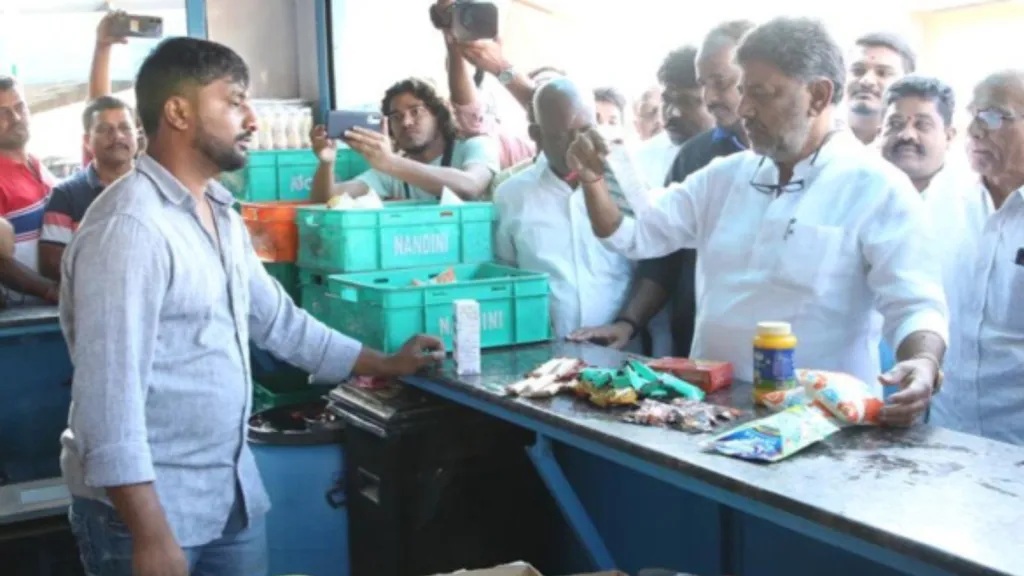
Aggressive sourcing from private dairy companies is intensifying the procurement battle across major collection routes. Private operators have steadily expanded their processing footprint and product storage, utilizing flexible price structures to secure raw milk volumes directly from village collection points. In contrast, cooperative unions have kept consumer retail prices frozen for eighteen months to protect household affordability, a policy that now severely limits their competitiveness against aggressive private-sector procurement.
Previous adjustments date back to April 2025, when authorities approved a 4-rupee-per-liter increase that was transferred directly to dairy producers to ease cash flow constraints. Under that price revision, standard toned milk reached 46 rupees per liter, homogenized lines were set at 47 rupees, and premium grades stood at 50 rupees per liter. Sustaining long-term milk intake requires establishing a farmgate price model that reflects real inflationary pressures, closes interstate pricing disparities, and stabilizes cooperative liquid milk supply chains.
Source: The Indian Express
You can now read the most important #news on #eDairyNews #Whatsapp channels!!!
🇮🇳 eDairy News ÍNDIA: https://whatsapp.com/channel/0029VaPidCcGpLHImBQk6x1F