

Heritage Foods CEO Srideep Kesavan outlines a strategic roadmap for India to transition from domestic self-sufficiency to a global dairy powerhouse over the next decade.
In a comprehensive industry outlook, Srideep Kesavan, CEO of Heritage Foods, examines the transformative trajectory of the Indian dairy sector as it approaches 2036. While India currently holds the title of the world’s largest milk producer, the vast majority of its output is consumed domestically by a growing, increasingly urbanized population. Kesavan posits that the next decade represents a critical inflection point: the sector must not only scale to meet surging domestic demand for nutritional security but also position itself to bridge impending global dairy supply deficits as Western production regions face tightening environmental and regulatory constraints.
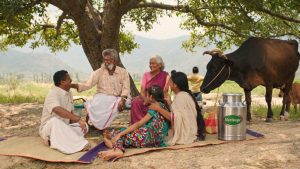
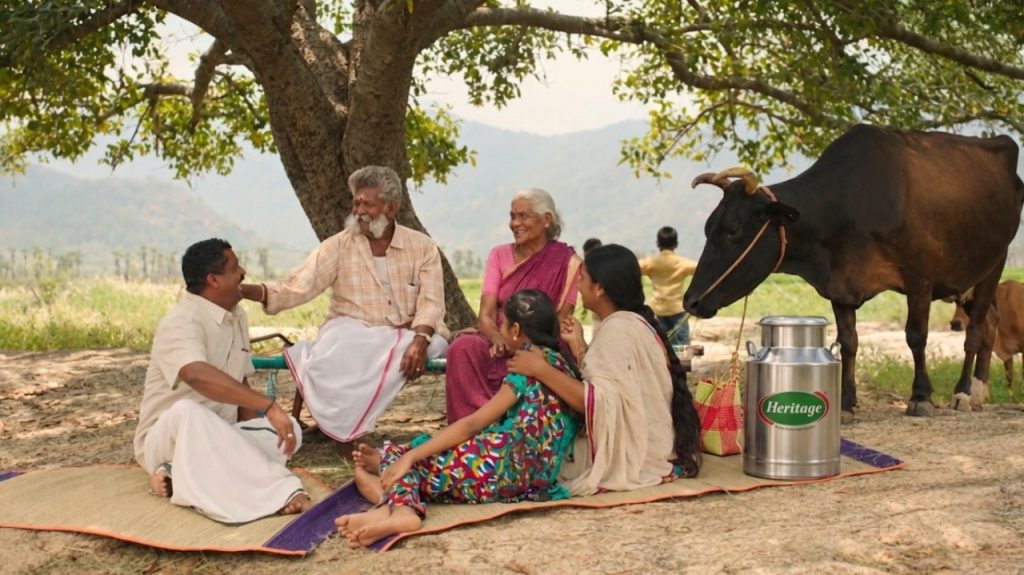
The foundation of this 2036 vision rests on fundamentally upgrading the grassroots supply chain. Kesavan emphasizes that long-term resilience requires empowering India’s millions of smallholder farmers with modern animal husbandry practices, superior genetics, and digital herd management tools. Moving away from purely volume-driven metrics, the focus must shift toward enhancing per-animal productivity and raw milk quality. By integrating technology at the village collection level and investing in robust cold-chain infrastructure, processors can ensure farm-fresh purity while securing sustainable livelihoods for rural producers amid volatile feed and input costs.
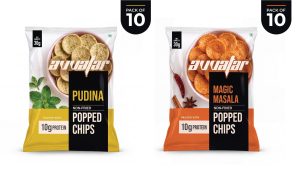
On the consumer front, the article highlights a significant shift in consumption patterns driving market value. As disposable incomes rise and health consciousness deepens, Indian consumers are rapidly migrating from loose, commoditized milk toward branded, value-added dairy products (VADP) such as cultured dairy, paneer, and functional beverages. However, Kesavan notes that successful brand building in this evolving landscape requires prioritizing authentic taste, holistic nutrition, and rigorous quality assurance—such as farm-to-home traceability and stringent multi-point testing—rather than relying solely on aggressive, single-nutrient marketing claims.
Addressing the global opportunity, Kesavan outlines how structural challenges in mature dairy markets create an export vacuum that India is uniquely positioned to fill. With European and North American dairy herds contracting under strict climate and emissions mandates, international buyers are increasingly seeking reliable alternative supply hubs for milk solids and specialized ingredients. To capture this global market share, Indian processors must aggressively align their manufacturing standards with international food safety protocols, expand export-grade processing capacities, and navigate complex cross-border trade compliances.
Ultimately, realizing the “Indian Dairy 2036” ambition demands cohesive collaboration across the public and private sectors. Kesavan calls for targeted policy frameworks that incentivize capital investment in dairy processing, subsidize grassroots veterinary care, and promote resilient cattle breeds suited to local climatic conditions. By marrying traditional dairy heritage with modern agribusiness scale, India has the potential to build a highly efficient, inclusive dairy economy that nourishes its own population while asserting market leadership on the global stage.
Source: LinkedIn
You can now read the most important #news on #eDairyNews #Whatsapp channels!!!
🇮🇳 eDairy News ÍNDIA: https://whatsapp.com/channel/0029VaPidCcGpLHImBQk6x1F