



Capital-intensive sub-zero logistics, heavy freezer deployment costs, and entrenched regional brand loyalty challenge Bombay Creamery’s disruption playbook.
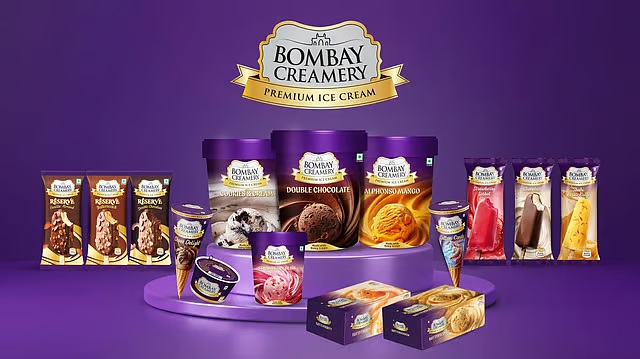
Reliance Consumer Products Limited’s (RCPL) entry into India’s ₹37,000 crore ice cream market with Bombay Creamery has triggered debate over whether the conglomerate can replicate the rapid, price-led disruption it achieved with Campa soft drinks. However, fast-moving consumer goods veterans and dairy analysts caution that ice cream presents vastly different structural dynamics. Unlike carbonated beverages, where Reliance undercut legacy incumbents on price and formulation, nearly all established ice cream manufacturers in India already offer entry-level products at ₹10 and predominantly formulate with real dairy fat rather than vegetable oils.
The primary barrier separating ice cream from typical ambient FMCG categories lies in cold-chain logistics. Ice cream requires an unbroken sub-zero supply chain maintained at minus 18 degrees Celsius from processing plants through primary, secondary, and retail distribution tiers. Industry executives estimate that ice cream distribution costs run at least twice as high as regular packaged consumer goods, requiring substantial front-end investments in specialized refrigerated transport, temperature-controlled depots, and retail storage infrastructure.
Deploying retail infrastructure at scale represents an immense capital expenditure commitment. According to industry insiders, an ice cream manufacturer must commit roughly ₹300 crore to ₹400 crore ($36M–$48M) in capital expenditure for every 100,000 retail deep freezers placed in merchant stores. These steep capital requirements explain why most prominent Indian brands—with the notable exception of Gujarat cooperative giant Amul—have historically remained regional powerhouses rather than truly national operators.
The Indian market is deeply fragmented into regional strongholds characterized by fierce consumer loyalty: Havmor and Vadilal dominate the west; Arun and Ideal lead across southern states; while Creambell, Giani’s, and Mother Dairy anchor northern consumption. Entrenched regional players have fortified their market positions by expanding into premium value tiers, offering innovative flavors, and leveraging quick-commerce platforms to bypass geographic retail constraints, making it far more challenging for a newcomer to dislodge local consumer preference purely through retail scale.
Recognizing these operational realities, Reliance has adopted a phased rollout strategy for Bombay Creamery, launching first in western India before committing to broader national expansion. While Reliance possesses substantial balance sheet strength and retail synergies through its nationwide network of supermarkets, industry experts conclude that winning meaningful market share will demand extensive product innovation, large-scale freezer investments, and sustained marketing rather than relying solely on low entry pricing.
Source: Fortune India
You can now read the most important #news on #eDairyNews #Whatsapp channels!!!
🇮🇳 eDairy News ÍNDIA: https://whatsapp.com/channel/0029VaPidCcGpLHImBQk6x1F