


Processors pivot away from low-margin liquid milk toward value-added portfolios as modern cold chains and quick-commerce expand reach.
India’s dairy industry is shifting strategic focus away from its traditional volume engine—packaged liquid milk—to capture higher operating margins through value-added, protein-led, and cultured dairy products. Driven by rapid urbanization, rising consumer health awareness, and the expansion of the convenience economy, dairy processors are channeling capital into cheese, paneer, Greek yogurt, ghee, ice cream, and specialized whey derivatives. While basic liquid milk remains highly price-sensitive and low-margin, deeper processing allows companies to extract higher value per litre of milk solids while hedging against procurement price swings and seasonal supply gluts.
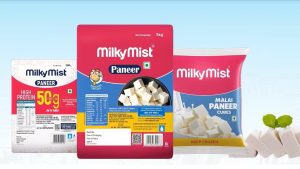
The financial upside of pure-play value addition was highlighted by the recent stock market debut of Milky Mist Dairy Food, which listed at an 18 percent premium following its ₹1,553-crore initial public offering. Operating as a 100 percent value-added enterprise with no liquid milk in the market, Milky Mist reported a 34 percent year-on-year revenue increase to ₹3,138 crore and a 175.7 percent surge in net profit to ₹127.01 crore in FY26. CEO K. Rathnam noted that while the overall dairy sector expands at 12–20 percent in value terms, specialized value-added portfolios are sustaining growth rates above 30 percent.
The economic rationale lies in the substantial realization gap between commodity milk and functional dairy fractions. According to Akshali Shah, Executive Director at Parag Milk Foods, processing raw milk into protein derivatives yields 1.5 to 3 times higher value, with cheese and whey generating gross margins between 25 and 45 percent. To capitalize on this trend, Parag plans to double its cheese manufacturing capacity to 120 tonnes per day by FY28 while expanding its Avvatar sports-nutrition line, whose new-age portfolio grew 59 percent year-on-year to ₹118 crore in Q1 FY27.
Major cooperatives and diversified players like Heritage Foods and Mother Dairy are adopting balanced portfolio models, using high-volume liquid milk procurement to secure farmgate supply and retail footprint while leveraging value-added lines as the primary profit engine. Mother Dairy Managing Director Jayatheertha Chary emphasized that premiumization is increasingly driven by differentiated consumer occasions, noting that premium ice cream now contributes roughly 10 percent of the brand’s total ice cream sales.
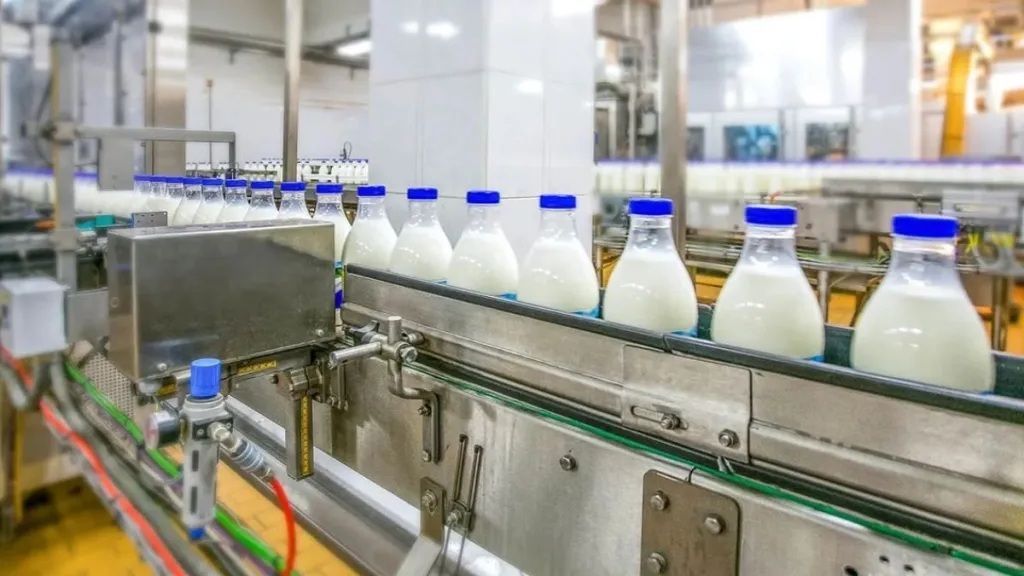
This structural transition is accelerated by retail infrastructure advancements, including the rollout of modern cold chains, aseptic UHT packaging, and rapid distribution via e-commerce and quick-commerce channels in urban centers. Although high-protein processing demands strict raw milk quality control, advanced manufacturing equipment, and price-accessibility management, India’s dairy leadership is increasingly prioritizing maximum value extraction per litre over raw volume throughput.
Source: The Financial Express
You can now read the most important #news on #eDairyNews #Whatsapp channels!!!
🇮🇳 eDairy News ÍNDIA: https://whatsapp.com/channel/0029VaPidCcGpLHImBQk6x1F