


Hundreds of Gorkha pastoralist families face livelihood collapse and forced relocation after flash floods wash away over 1,000 cattle.
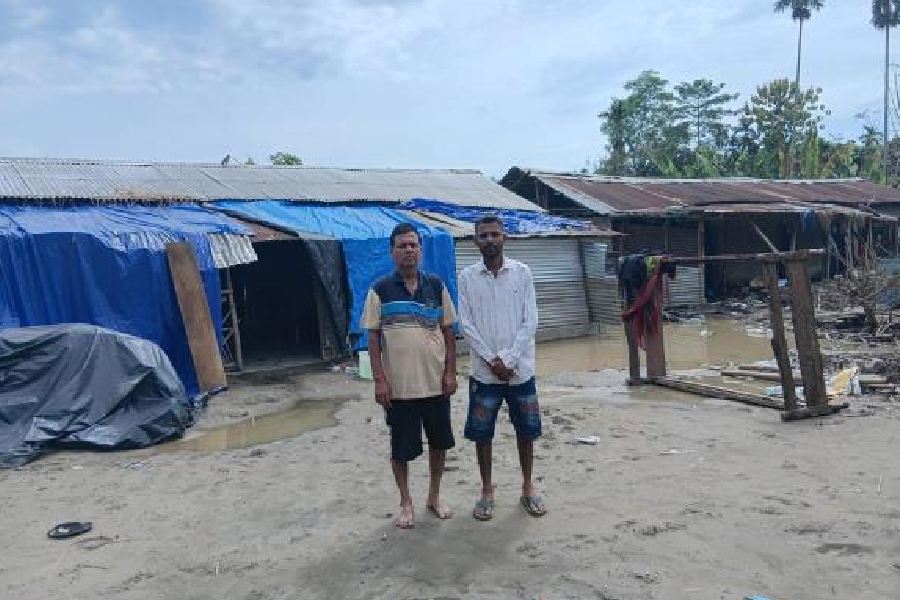
Severe monsoon flash flooding along the Dikhow River near the Assam-Nagaland border has triggered growing concerns of forced distress migration across rural Sivasagar district, following the total destruction of Nepali Khuti—historically one of Upper Assam’s primary dairy-producing hamlets. The disaster struck when heavy, concentrated rainfall in the upstream Naga Hills sent sudden torrents of water and debris crashing into the low-lying settlement within two hours, inundating more than 200 homes and submerging community grazing lands.
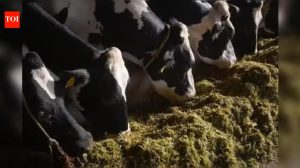
The catastrophe has effectively wiped out the local dairy economy that sustained approximately 150 to 200 Gorkha smallholder families for generations. Prior to the deluge, Nepali Khuti operated as a key regional dairy hub, maintaining a collective herd of more than 1,000 to 1,500 cattle and supplying fresh liquid milk, curd, and paneer daily to urban consumption centers including Nazira, Sivasagar, and Simaluguri, as well as reaching broader markets in Dibrugarh, Jorhat, and Tinsukia.
Following the flood, local residents report that fewer than 20 cattle survived, with the loss of livestock and physical infrastructure estimated at roughly ₹15 crore. For families whose entire working capital, daily cash flow, and intergenerational savings were held directly in their dairy herds, the sudden loss of milking cows and breeding stock has destroyed their primary means of self-reliance, leaving the community dependent on emergency food distributions.
With thick layers of silt covering pastures, cattle sheds destroyed, and basic identity and land documentation lost in the floodwaters, community elders and local observers warn of an impending wave of out-migration. Without access to immediate capital to replenish dairy stock or reconstruct housing, younger villagers and displaced dairy workers are facing pressure to abandon traditional pastoral livelihoods and migrate to urban industrial centers in search of informal, low-wage manual labor.
The devastation at Nepali Khuti highlights the structural vulnerability of riverine dairy communities across Northeast India to extreme climate and flood events. While emergency relief distribution has provided immediate survival assistance, local representatives emphasize that long-term recovery and preventing mass displacement will require comprehensive rehabilitation packages, including subsidized livestock restocking programs, low-interest microcredit, and reinforced flood-protection infrastructure along the Dikhow riverbanks.
Source: The Telegraph India / The Sunday Guardian / India Today NE
You can now read the most important #news on #eDairyNews #Whatsapp channels!!!
🇮🇳 eDairy News ÍNDIA: https://whatsapp.com/channel/0029VaPidCcGpLHImBQk6x1F