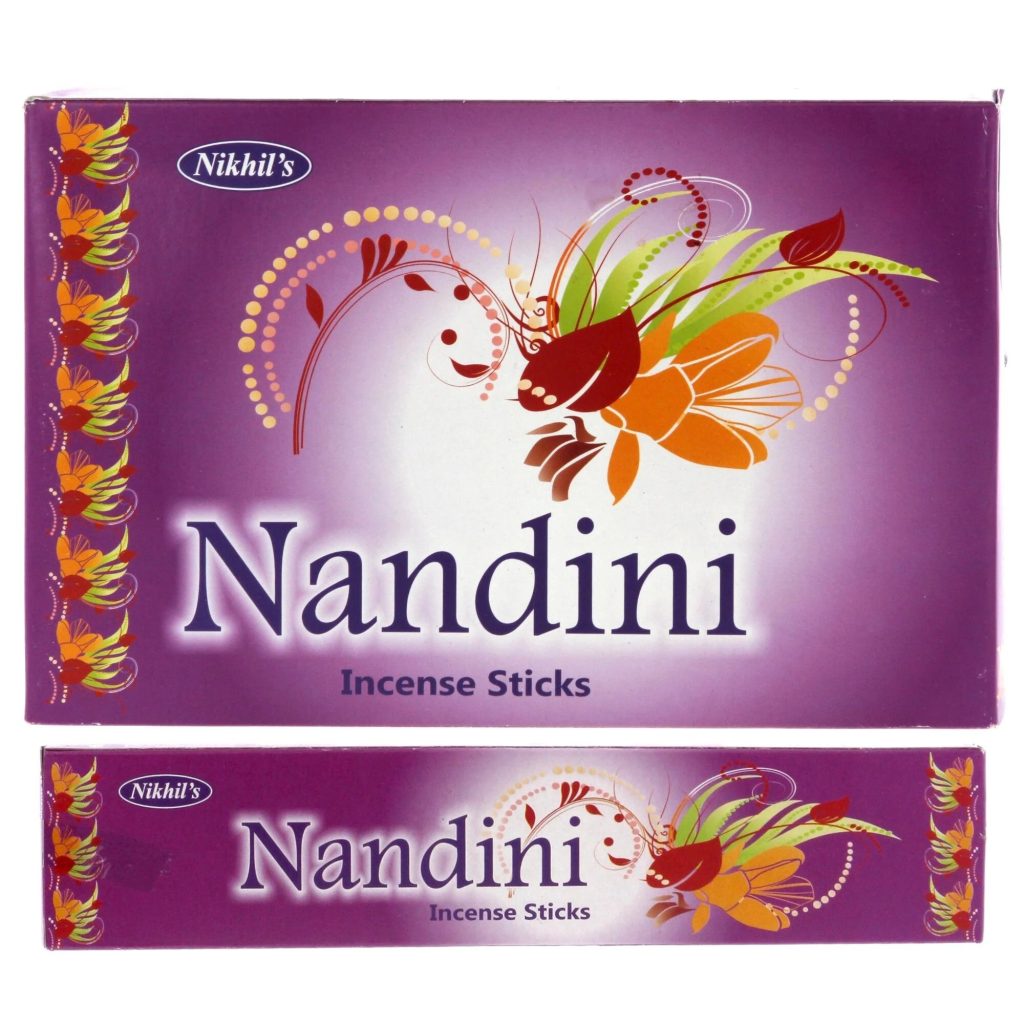




The Supreme Court protects Karnataka’s iconic Nandhini brand from generic dilution by a competing incense stick manufacturer.
The Supreme Court of India has issued a landmark intellectual property ruling that strengthens the legal protections surrounding dominant commercial agricultural trademarks. The high-profile judicial intervention resolves an intense corporate dispute between the Karnataka Cooperative Milk Producers Federation Ltd (KMF)—the processing giant behind the ubiquitous “Nandhini” dairy brand—and a regional manufacturer of incense sticks trading under the phonetically identical moniker “Nandini.” The top court’s definitive verdict establishes a vital legal precedent regarding trademark dilution and commercial brand equity within expanding consumer markets.
At the absolute core of the legal matrix was whether KMF’s immense market penetration and high brand recognition granted it a generic immunity that could block other businesses from utilizing the name across completely unrelated product categories. Historically, the dairy cooperative has maintained a massive multi-state distribution network, turning the “Nandhini” label into a trusted household staple for fluid milk, curd, ghee, and value-added dairy commodities. The federation argued that allowing competing consumer goods manufacturers to stamp the same phonetic name onto non-dairy products would cause severe market confusion and bleed out its established brand value.
The Supreme Court rejected the argument for broad name-monopolization, clarifying that a company’s success in a specific agricultural or processing segment does not automatically confer a generic immunity over a common cultural name across all trading classes. The justices noted that because incense sticks (agarbatti) and pasteurized fluid milk occupy completely distinct retail ecosystems, navigate entirely separate supply chains, and target different consumer needs, there was no realistic risk of public deception or overlapping commercial activity. This distinction provides critical guidance for corporate brand managers assessing intellectual property risks in diversified economies.
However, the judicial panel emphasized that the legal boundaries of a trademark must remain flexible enough to protect established public-sector investments and regional cooperative monopolies from predatory copycats. While the court allowed the incense manufacturer to continue its localized operations due to its long-standing, independent market presence, it drew strict compliance parameters to prevent future trade encroachment. For international dairy analysts, agribusiness attorneys, and cooperative governance experts, the ruling highlights the complex legal balancing act required to protect agro-industrial brands without freezing broader commercial competition.
Moving forward, the Supreme Court’s decision underscores the vital necessity for major dairy federations and processing unions to proactively register their primary trademarks across multiple commercial classifications to insulate their operations from long-term legal friction. As international dairy brands scale up their product portfolios into functional foods, lifestyle goods, and specialized ingredients, securing absolute legal clarity at the gate is paramount. Ultimately, this high-stakes Indian trademark ruling demonstrates that a brand’s long-term commercial resilience depends just as much on robust intellectual property defense as it does on factory gate efficiency and raw milk procurement volumes.
Source: SCC Online
You can now read the most important #news on #eDairyNews #Whatsapp channels!!!
eDairy News ÍNDIA: https://whatsapp.com/channel/0029VaPidCcGpLHImBQk6x1F