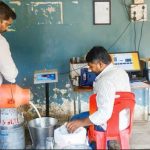


The National Dairy Development Board and Delhi authorities partner to divert cattle waste from the Yamuna River into high-value biogas and organic fertilizer.
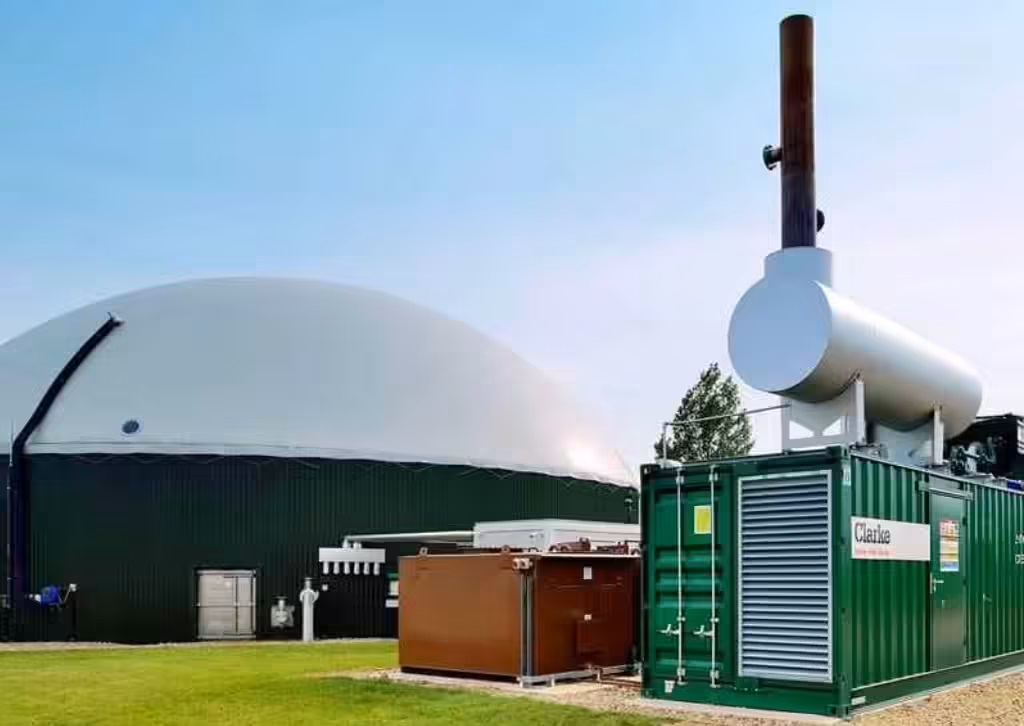
The National Dairy Development Board (NDDB) and the Municipal Corporation of Delhi (MCD) are set to sign a landmark Memorandum of Understanding (MoU) to convert regional dairy waste into compressed biogas and organic fertilizer. Announced by Union Home and Cooperation Minister Amit Shah, this strategic environmental initiative aims to prevent untreated cattle waste from directly entering the Yamuna River stream. Under the newly approved NDDB circular economy model, raw dung generated across municipal dairies and urban gaushalas (cow shelters) will be rerouted directly to specialized processing facilities.
The collaborative project represents a central component of a broader, high-level regional action plan designed to accelerate the comprehensive rejuvenation of the Yamuna River basin. Minister Shah emphasized that achieving measurable improvements in water quality requires an integrated, team-based approach from all public stakeholders rather than fragmented regional interventions. Consequently, the central government has directed the executive leadership of Delhi, Haryana, and Uttar Pradesh to jointly coordinate their resources to maintain standard ecological flows across the shared river network.
To ensure the technical efficacy of the waste-to-energy campaign, regulatory authorities will enforce continuous, data-driven monitoring of key pollution indicators throughout the basin’s drainage channels. Environmental compliance teams will closely track localized shifts in Biochemical Oxygen Demand (BOD), Chemical Oxygen Demand (COD), and Total Suspended Solids (TSS) at vital industrial and municipal discharge points. Furthermore, all future common effluent treatment plants (CETPs) and specialized dairy waste processing facilities must be designed to accommodate expanding future processing volumes.
The macro-environmental cleanup strategy operates alongside intensive municipal desilting operations, which have successfully cleared 97 percent of the targeted 28.57 lakh metric tonnes of accumulated silt from local drains feeding into the river. To prevent seasonal rains from washing the extracted material back into the water system during the upcoming monsoon, the excavated silt is being systematically redirected for use in commercial manufacturing and urban infrastructure projects. The remaining baseline dredging work is strictly on track to meet its mid-June completion deadline.
Looking at long-term processing capacity, the regional infrastructure network is undergoing a substantial expansion to permanently curb urban pollution. While 128 sewage treatment plants (STPs) are currently operational across the three participating states, planning is underway to commission an additional 99 STPs by the end of 2027 to reinforce the basin’s total treatment capabilities. Progress on all connected engineering works, implementation timelines, and long-term maintenance frameworks will be strictly reviewed by federal overseers every 20 days.
Source: ETInfra
You can now read the most important #news on #eDairyNews #Whatsapp channels!!!
🇮🇳 eDairy News ÍNDIA: https://whatsapp.com/channel/0029VaPidCcGpLHImBQk6x1F