


Macroeconomic forecasts project resilient production gains for the world’s largest dairy producer in FY27, despite intensifying climate volatility and regional input pressures.
India’s aggregate milk production is structurally positioned to expand by an estimated 6 per cent during the 2026-27 fiscal year (FY27). This resilient commercial growth trajectory underscores the robust fundamentals of the domestic dairy sector, which continues to serve as a critical economic anchor for millions of rural smallholders. According to emerging macroeconomic assessments, the projected volume increase reflects a steady consolidation of dairy output, building directly upon the historic output levels captured during recent production cycles.
Despite this highly optimistic growth forecast, industrial stakeholders and agricultural analysts warn that upcoming seasonal performance remains intrinsically tied to localized weather anomalies. The looming threat of erratic monsoon distribution and sudden climate variations presents immediate downside risks to the wider agricultural landscape. While structural improvements have historically shielded the primary production sector from severe rainfall fluctuations, the spatial and temporal progression of the south-west monsoon will remain a decisive variable for aggregate output.
The potential re-emergence of adverse El Niño climate patterns deeper into the production calendar could further intensify operational pressures for primary milk producers across major milksheds. Intensified summer heat indexes and prolonged dry spells are known to induce severe heat stress in high-yielding dairy herds, which directly compromises average daily milk yields and lowers key components like milk fat and solids-not-fat (SNF) content. Additionally, climate-induced crop disruptions often trigger severe volatility in regional fodder supply chains, inflating feed procurement overheads.
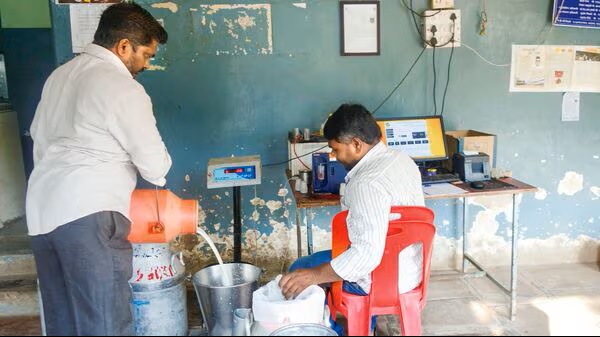
To mitigate these recurring environmental vulnerabilities, organized dairy cooperatives and private manufacturing operators are aggressively scaling up targeted livestock adaptation strategies. Industry networks are increasingly driving private capital toward infrastructure modernization, including specialized cooling systems, optimized ventilation, and climate-smart feed management protocols. These localized interventions are vital to protect smallholder herd performance, ensuring that the critical raw milk collection networks supplying major processing plants remain commercially stable throughout the lean season.
Looking ahead, the sector’s long-term expansion will be heavily supported by a suite of strategic policy initiatives and advanced technological frameworks. Central banking and budgetary directives highlight the upcoming deployment of integrated digital infrastructure and artificial intelligence-driven advisory platforms designed to streamline extension services for remote producers. By systematically aligning advanced genetic breeding selections with climate resilience and enhancing buffer input management, the Indian dairy supply chain continues to solidify its dominant position within the global dairy trade.
Source: Livemint
You can now read the most important #news on #eDairyNews #Whatsapp channels!!!
🇮🇳 eDairy News ÍNDIA: https://whatsapp.com/channel/0029VaPidCcGpLHImBQk6x1F