



Global food processing giant launches its first comprehensive net-zero roadmap, redefining corporate milk procurement and sourcing logistics.
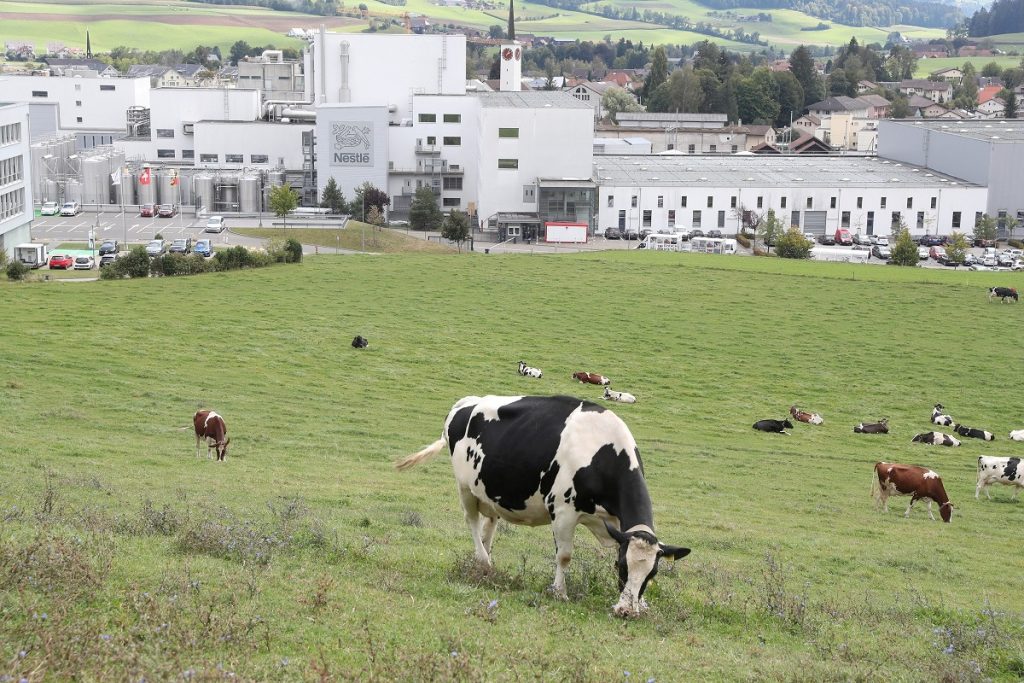
Global food processing titan Nestlé has officially launched its first comprehensive Dairy Declaration and Sustainable Sourcing Strategy. This landmark policy framework details the company’s long-term environmental targets, providing a structured blueprint to systematically lower greenhouse gas emissions across its massive international raw material supply network. For global dairy analysts and manufacturing leaders, this corporate roadmap sets a significant benchmark, reflecting how the world’s largest buyer of farmgate milk solids plans to balance massive industrial processing demands with strict net-zero compliance mandates.
The multi-layered initiative centers on accelerating the transition toward regenerative agriculture across thousands of contracted multi-generational family farms. Nestlé’s procurement divisions are prepared to deploy advanced, data-backed technical training alongside financial support packages to assist primary producers in optimizing on-farm efficiency. By incentivizing soil health restoration, rotational grazing systems, and advanced manure management, the multinational conglomerate aims to significantly lower the carbon intensity per kilogram of milk harvested without sacrificing aggregate volume targets.
From a strict dairy economics and data journalism standpoint, managing the financial realities of green agricultural transformations remains a highly critical challenge for independent herdsmen. Implementing sustainable tech—such as methane-reducing feed additives, energy-efficient cooling vats, and precision crop systems—requires substantial capital investment that can strain farm gate operating margins. To mitigate this margin squeeze, Nestlé’s strategy includes a dedicated focus on building stable, long-term procurement pricing models that shield cooperative partners from volatile global commodity spot market corrections.
Beyond on-farm intervention, the corporate social responsibility strategy focuses heavily on improving absolute raw material traceability and cold-chain logistical efficiency. Nestlé plans to partner with localized cooperative unions to establish regional collection centers equipped with automated component-testing and chilling technologies. This systemic modernization minimizes post-harvest waste and lowers fuel consumption across regional transportation grids, helping the processing giant meet stringent environmental compliance standards before raw solids ever reach the factory floor.
Ultimately, Nestlé’s aggressive environmental push underscores a broader, permanent shift toward circular economy models within the international dairy sector. As premium consumer demographics increasingly demand transparent supply chain metrics and eco-conscious corporate behavior, food manufacturers must proactively future-proof their primary sourcing pipelines. Moving deeper into the late 2020s, global agribusiness observers will closely monitor this operational rollout to see if these green investments successfully boost rural wealth generation while lowering the industry’s aggregate carbon footprint.
Source: Corporate environmental roadmaps and international raw sourcing strategies are fully detailed by Food & Beverage News (FNB News).
You can now read the most important #news on #eDairyNews #Whatsapp channels!!!
🇮🇳 eDairy News ÍNDIA: https://whatsapp.com/channel/0029VaPidCcGpLHImBQk6x1F