


Surging cattle feed costs, uneven monsoon rainfall, higher fuel expenses, and tighter milkfat supplies have forced India’s leading dairy cooperatives to implement back-to-back retail price hikes for the first time since 2022–23.
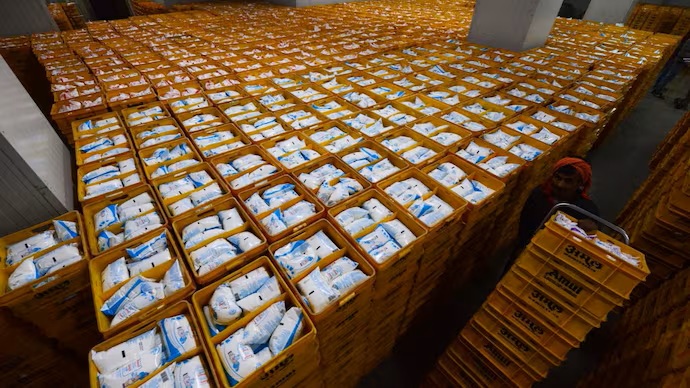
India’s leading cooperative and private dairy brands have enacted multiple retail milk price increases throughout 2026, breaking a multi-year period of relative consumer price stability across the world’s largest milk-producing nation. Following an initial Rs 2 per litre upward revision in May 2026, the Gujarat Cooperative Milk Marketing Federation (GCMMF)—which markets products under the flagship Amul brand—and Mother Dairy implemented a second consecutive hike of Rs 2 to Rs 4 per litre effective November 12, 2026. This marks the first time since the 2022–23 financial year that major Indian dairy marketers have adjusted fluid milk tariffs twice within a single fiscal cycle, contrasting sharply with 2024 and 2025 when pricing remained largely unchanged and even included a temporary Re 1 per litre rollback in January 2025. Regional cooperatives followed similar trajectories, with Karnataka’s Nandini raising liquid milk by Rs 8 per litre and curd by Rs 14, while Guwahati dairy unions lifted rates by Rs 2.60 per litre.
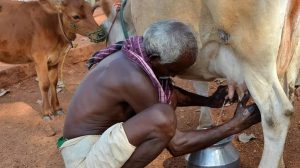
Upstream farmgate inflation—led by sharp escalations in green fodder, dry roughage, and concentrated cattle feed—forms the primary structural driver behind the repeated tariff revisions. Because feed and fodder account for roughly 70 to 75 percent of the total cost of raw milk production in India, erratic monsoon rainfall across Gujarat and other western milk sheds severely tightened local pasture availability and drove green and dry fodder costs up by as much as 20 percent. Simultaneously, compounded cattle feed prices climbed 15 to 20 percent year-on-year by September 2026, propelled by rising prices for oilseed cakes, rice bran, and maize, where nearly 70 percent of India’s 2026–27 ethanol production draws directly from domestic maize supplies. To keep smallholder dairy farming economically viable across its network of 3.6 million milk producers, GCMMF raised farmgate procurement payouts by 4 to 5 percent over the past year, passing roughly 75 to 80 percent of total retail sales realization directly back to village farmers.
Downstream processing, logistics, and regulatory enforcement shifts have further compounded cost pressures across organized dairy supply chains. Escalating geopolitical tensions in West Asia pushed global crude oil and domestic diesel prices higher, inflating chilled tanker collection and urban cold-chain distribution expenses alongside food-grade packaging film costs, which rose by up to 25 percent. At the same time, stricter regulatory enforcement and crackdowns against adulterated analogue paneer—manufactured using vegetable oils rather than dairy solids—redirected substantial volumes of authentic fluid milk into commercial cottage cheese production. Because milkfat remains the scarcest component in India’s dairy balance sheet, fat-rich commodities recorded the steepest inflation prior to the November fluid milk adjustment, with Amul raising 500-gram butter packs by Rs 15 to Rs 325 and lifting 1-litre ghee prices to Rs 680.
Seasonal supply dynamics that normally bring winter price relief have been muted by weather-induced delays in India’s traditional dairy flush season. Typically, cooler post-monsoon temperatures and abundant green forage trigger a surge in raw milk inflows between October and February, allowing processors to rebuild skimmed milk powder and white butter inventories while stabilizing retail prices. However, El Niño-linked rainfall deficits and elevated feed bills have curbed herd productivity growth, preventing the usual winter flush from easing procurement competition between cooperative unions and private dairy companies. Under Mother Dairy’s revised Delhi-NCR tariff schedule, full-cream milk reached Rs 76 per litre and toned milk rose to Rs 62 per litre, reflecting the sustained pass-through of farmgate and plant overhead inflation.
Nutrition security and household budget impacts remain critical policy considerations as retail dairy inflation tests price-sensitive Indian consumers. In India, liquid milk and fermented dairy staples represent the single largest component of household food expenditure and serve as the primary source of high-bioavailability animal protein for millions of families. While rural producers rely on higher farmgate payouts to offset feed inflation, repeated retail hikes risk dampening per-capita milk intake among low-income urban households. Public health and agricultural analysts emphasize that expanding targeted nutritional safety nets—such as school meal milk programs, anganwadi distributions, and subsidized milk vouchers through established cooperative networks—offers a practical buffer to protect child nutrition without suppressing fair farmgate prices.
Looking ahead into early 2027, retail milk price stability across India will hinge on winter fodder recovery, maize feed grain pricing, and global energy trends. Until feed inflation moderates and seasonal raw milk procurement rebuilds cooperative buffer stocks, dairy processors will remain under pressure to defend thin operating margins while ensuring continuous farmgate payouts across rural India.
Source: India Today
You can now read the most important #news on #eDairyNews #Whatsapp channels!!!
🇮🇳 eDairy News ÍNDIA: https://whatsapp.com/channel/0029VaPidCcGpLHImBQk6x1F