

Central minister launches cold-chain processing units and veterinary initiatives in Gangtok, advancing cooperative milk procurement across the Himalayan state.
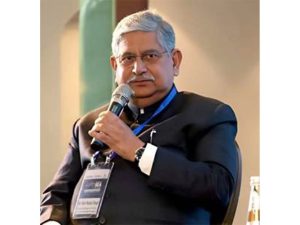
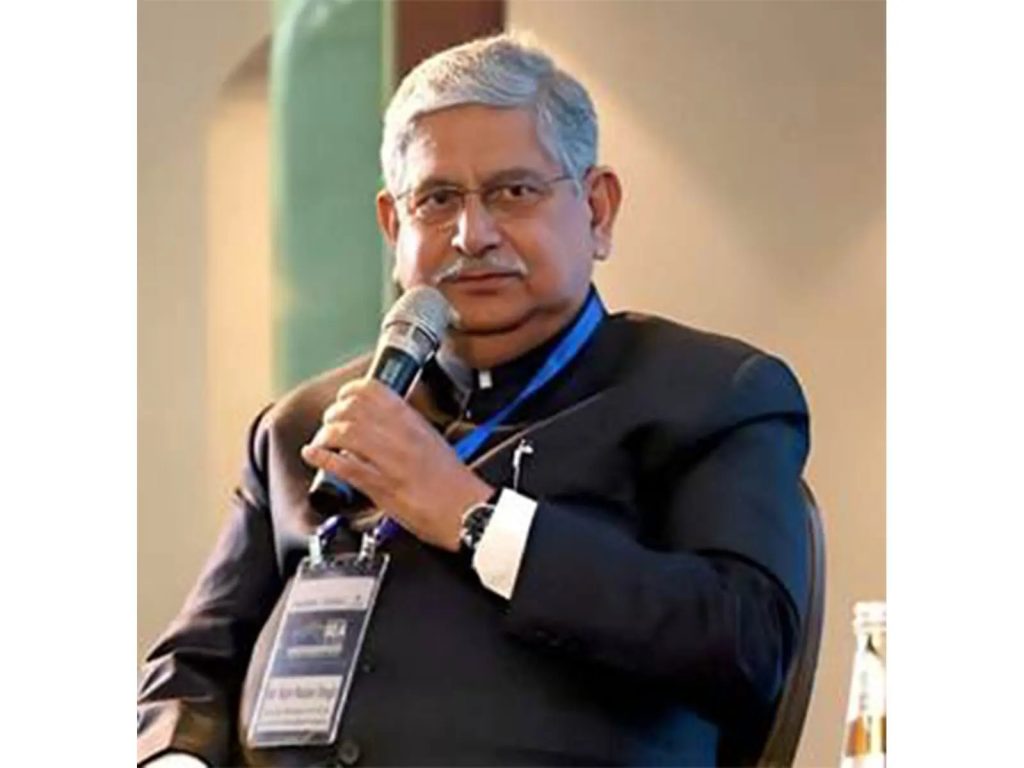
Union Minister for Fisheries, Animal Husbandry and Dairying Rajiv Ranjan Singh (Lalan Singh) has arrived in Sikkim on an official two-day tour scheduled for November 2–3 to inaugurate and lay the foundation stones for key dairy and animal husbandry projects. Accompanied by Minister of State S.P. Singh Baghel, high-level officials from the Department of Animal Husbandry and Dairying (DAHD), and leadership from the National Dairy Development Board (NDDB), the visit marks a concerted push by the Government of India to modernize the highland dairy value chain across the northeastern state.
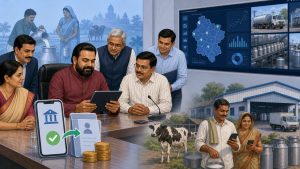
At the core of the ministerial visit is the expansion and technological upgrading of milk processing infrastructure operated under the Sikkim Cooperative Milk Producers’ Union Limited (Sikkim Milk Union), commercially marketed under the Sikkim Milk brand. High-altitude dairy farming across Sikkim faces severe geographical challenges, including dispersed smallholder farmsteads, steep mountain roads, and vulnerable transit routes that complicate raw milk collection. The newly inaugurated initiatives focus on deploying automated Bulk Milk Coolers (BMCs) at village-level primary cooperative societies, upgrading cold-chain logistics, and expanding dairy processing capacity in Gangtok to minimize spoilage and maintain raw milk quality.
From a dairy cattle genetics and veterinary support perspective, the ministerial itinerary highlights interventions under the Rashtriya Gokul Mission (RGM) and the National Livestock Mission (NLM). Given Sikkim’s strict status as a 100% certified organic state, ruminant nutrition and animal healthcare cannot rely on conventional synthetic inputs or antibiotics. The central initiatives emphasize the distribution of sexed semen doses, expanded artificial insemination (AI) coverage tailored to hill cattle breeds, and the rollout of Mobile Veterinary Units (MVUs) to deliver doorstep animal healthcare, disease screening, and fertility management directly to rural dairy producers in remote hamlets.
From an economic development and farmer income standpoint, the central government is leveraging dairy cooperatives to build sustainable rural livelihoods beyond seasonal horticulture and tourism. Under the state’s ongoing milk production incentives and central subsidies, smallholder farmers—predominantly women and tribal households—gain a reliable, weekly cash-flow mechanism. The investments in Sikkim reflect a broader regional policy commitment to integrate the Northeastern states into the national milk grid, helping local milk unions replace imported milk powders and shelf-stable packaged dairy hauled from West Bengal and Bihar with fresh, locally harvested organic milk.
At the agricultural policy and cooperative governance level, the projects inaugurated by Union Minister Rajiv Ranjan Singh establish a durable operational foundation heading into 2027. By synchronizing high-altitude cold-chain networks with mobile veterinary logistics and enhanced processing automation, the central and state governments aim to transform Sikkim’s mountain dairying into a resilient, high-value organic dairy model.
Northeast Dairy Development
Sikkim Dairy Infrastructure & Support Matrix
Key pillars of central development projects launched by Union Minister Rajiv Ranjan Singh.
Village Cold-Chain & Bulk Milk Coolers (BMCs)
Priority 1 (Preservation)
Priority 1 (Preservation)
High-altitude transit optimization
Direct village chilling
Direct village chilling
Mobile Veterinary Units & Breed Selection
Priority 2 (Genetics & Health)
Priority 2 (Genetics & Health)
Sexed semen & artificial insemination
Doorstep veterinary outreach
Doorstep veterinary outreach
Processing Modernization (Sikkim Milk Union)
Priority 3 (Value-Add)
Priority 3 (Value-Add)
Plant throughput expansion
Organic certified dairy retail
Organic certified dairy retail
Focus Region
Sikkim / NE India
Cooperative Body
Sikkim Milk Union
Tour Dates
Nov 2–3, 2026
Source: The News Mill / DAHD Government of India
eDairyNews Himalayan Dairy Intelligence
eDairyNews Himalayan Dairy Intelligence
Source: The News Mill
You can now read the most important #news on #eDairyNews #Whatsapp channels!!!
🇮🇳 eDairy News ÍNDIA: https://whatsapp.com/channel/0029VaPidCcGpLHImBQk6x1F