



State administration enhances raw milk payment rates to protect dairy producer margins and regional herd profitability.
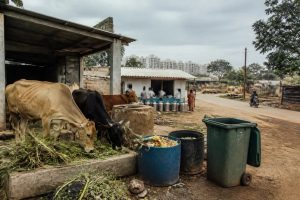
State authorities in Tamil Nadu have officially raised the baseline milk procurement price paid to dairy farmers, delivering immediate financial relief to rural producers grappling with persistent operating cost inflation. The policy intervention aims to safeguard producer margins following sharp escalations in commercial compound feed prices, dry fodder costs, and livestock maintenance expenses. By elevating guaranteed purchase rates across dairy cooperative procurement networks, the revised price structure directly bolsters farmgate cash flow across intensive production districts such as Tiruchirappalli.
Cooperative milk unions across southern India operate under tight pricing structures, where upward revisions in procurement rates remain essential to securing raw milk intake against private dairy competition. Agricultural associations have formally commended the state government’s decision to enhance payout metrics for both cow and buffalo milk pools. Without competitive state procurement rates, cooperative processing plants risk losing marketable fluid volumes to unorganized regional buyers and private liquid milk packaging plants that adjust procurement prices dynamically during seasonal deficit periods.
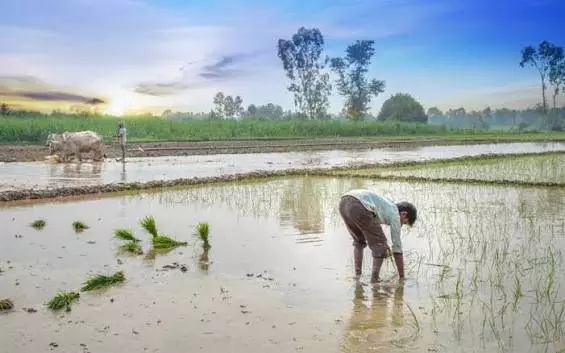
Simultaneous agricultural support measures, including higher procurement minimums for staple grains, reinforce broad farm incomes across mixed crop-livestock farming systems. Dairy producers in the Cauvery delta region frequently rely on integrated crop residues, grain by-products, and irrigated forage cultivation to sustain herd nutrition profiles. Strengthening baseline agricultural commodity prices across parallel rural sectors stabilizes household liquidity, preventing smallholders from divesting productive milch animals during challenging production seasons.
Irrigation water availability remains deeply interlinked with regional dairy herd productivity throughout the delta basin. Producer groups are urging water management authorities to ensure regulated flows from major reservoirs like Mettur reach tail-end canal branches to support green fodder cultivation. Without consistent access to irrigation channels across the canal distribution network, smallholder milk suppliers face severe deficits in quality forage crops, forcing heavier reliance on expensive external concentrates that erode dairy gross margins.
Expanding institutional farm credit through primary agricultural cooperative credit societies forms the next vital pillar for regional dairy modernization. Farmers are calling for simplified, unconditional credit facilities and certified forage seed distribution to rebuild working capital reserves ahead of the autumn production flush. Linking competitive milk procurement prices with targeted cooperative finance provides a resilient framework for dairy producers to expand herd genetics, upgrade animal housing, and sustain consistent milk deliveries to the formal processing sector.
Source: Deccan Chronicle
You can now read the most important #news on #eDairyNews #Whatsapp channels!!!
🇮🇳 eDairy News ÍNDIA: https://whatsapp.com/channel/0029VaPidCcGpLHImBQk6x1F