



Chhattisgarh, Maharashtra, Gujarat, and Uttarakhand prohibit non-milk substitutes made with vegetable oils and starch to protect consumer health and dairy sector integrity.
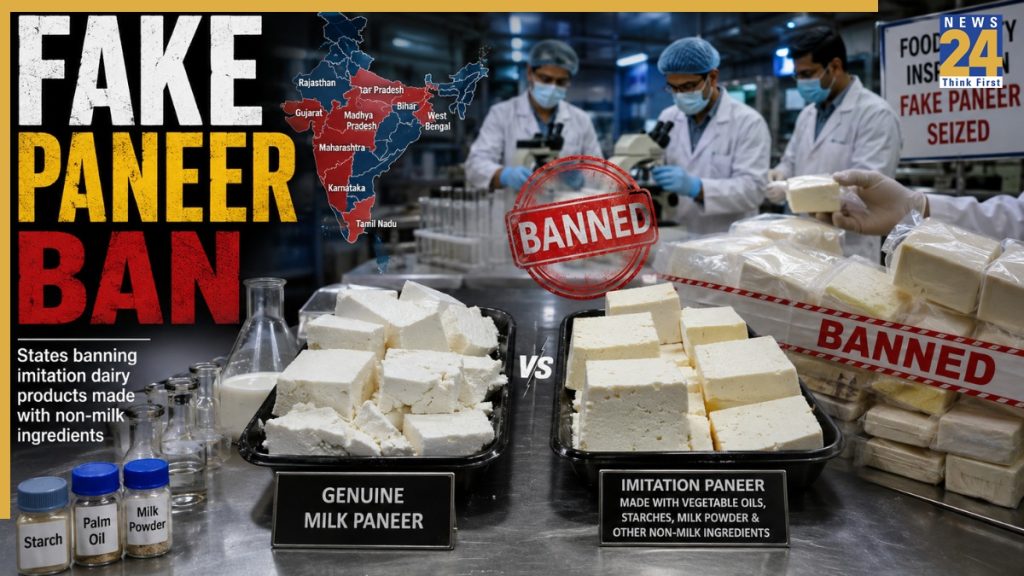
Reporting by News24 Online details a growing nationwide regulatory response across India as multiple state governments enact strict prohibitions on the manufacture, storage, distribution, and sale of fake or “analogue” paneer. Following initial bans in Chhattisgarh and Uttarakhand, states including Maharashtra and Gujarat have formally prohibited non-dairy paneer substitutes across retail markets, food service establishments, hotels, and cloud kitchens to curb rampant food adulteration.
The regulatory orders target synthetic products formulated using vegetable oils, starches, emulsifiers, and industrial chemicals instead of authentic milk fat. Defined under Food Safety and Standards Authority of India (FSSAI) guidelines as products replacing milk constituents with non-milk ingredients while mimicking genuine dairy, analogue paneer is significantly cheaper to produce but offers lower nutritional value and presents severe public health risks when deceptively passed off as real dairy.
Enforcement measures under the Food Safety and Standards Act, 2006, carry stringent legal penalties for violators. In Maharashtra, Food Safety Commissioner Tukaram Mundhe’s order imposes penalties ranging from six months’ imprisonment and a ₹1 lakh fine for manufacturing or selling analogue paneer to life imprisonment and a minimum fine of ₹10 lakh in cases where consumption of unsafe adulterated food leads to fatal outcomes.
The widespread state-level intervention follows extensive food safety surveillance drives that revealed alarmingly high non-compliance rates. In Maharashtra alone, routine market inspections and laboratory testing indicated that over 35% of analyzed paneer samples failed quality standards, with manufacturers routinely mislabeling vegetable-fat formulations as pure dairy paneer to exploit cost differentials in commercial catering and restaurant supply chains.
By banning non-dairy analogues and mandating strict quality compliance, state authorities aim to restore consumer confidence, eliminate deceptive commercial practices, and protect the financial stability of local dairy farmers. Regulators are encouraging consumers to utilize simple home testing methods—such as the iodine test for added starch—while deploying dedicated inspection task forces to enforce compliance across processing plants, wholesale hubs, and dining establishments nationwide.
Source: News24 Online
You can now read the most important #news on #eDairyNews #Whatsapp channels!!!
eDairy News ÍNDIA: https://whatsapp.com/channel/0029VaPidCcGpLHImBQk6x1F