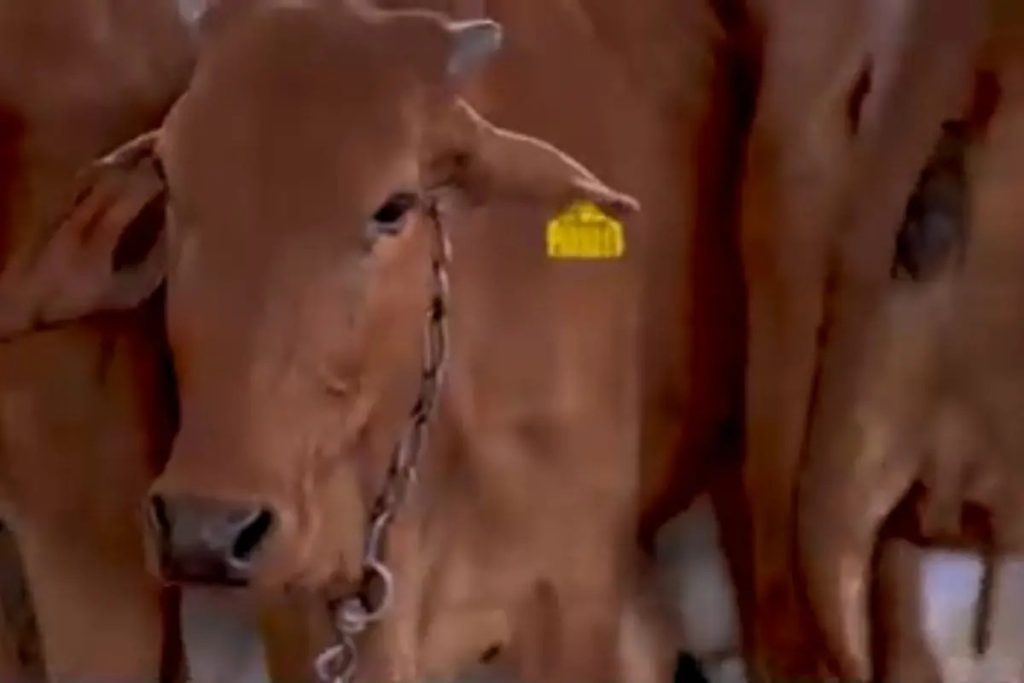




Innovative sex-sorted semen technology scales up farmgate economics across India, shifting smallholder production from structural deficits to high-yield heifer security.
The primary production architecture of Eastern India’s emerging dairy corridors is undergoing a sweeping structural overhaul driven by advanced reproductive biotechnology. In the state of Jharkhand, a targeted cattle breeding initiative is transforming smallholder farm economics through the systematic deployment of sex-sorted semen technology. Implemented under the federal frameworks of the Rashtriya Gokul Mission, this state-backed push replaces legacy crossbreeding methods with precision genetics to tackle localized milk deficits and enhance the macro-level efficiency of the regional agricultural grid.
At the core of this production revolution is a definitive shift in herd demographics, achieving an unprecedented 90 percent accuracy rate in the birth of female calves. Historically, conventional artificial insemination services delivered a rigid 50-50 male-to-female sex distribution, exposing small-scale producers to severe biological volatility. By utilizing flow cytometry protocols to isolate X-chromosome-bearing spermatozoa from high-genetic-merit indigenous and crossbred bulls, the current program ensures that nearly nine out of ten successful births result in high-potential milk-producing heifers.
This biometric precision addresses a major socio-economic bottleneck that has long suppressed farmgate margins across South Asia’s agrarian communities. Due to the widespread mechanization of primary cultivation, which has rapidly replaced draft bulls with mechanical tractors, male calves have effectively transformed into a heavy financial burden for rural cattle rearers. Coupled with strict local anti-slaughter laws, the excess population of unproductive male bovines has historically triggered a severe stray cattle crisis; however, engineering the herd supply curve from conception completely neutralizes these downstream management risks.
To accelerate the field-level adoption of this technology, the Accelerated Breed Improvement Programme provides substantial financial incentives directly to village-level cooperatives. Smallholders can access these premium genetic lines at highly subsidized rates, with government grants covering up to 50 percent of the per-dose procurement cost upon verified, assured pregnancy. This intentional price reduction lowers the investment risk for small dairy entrepreneurs, allowing them to rapidly build out disease-free, high-yielding replacement pipelines right at their doorsteps.
Ultimately, Jharkhand’s aggressive genetic pivot acts as a scalable blueprint for emerging milksheds looking to optimize vertical value chains amid changing climate parameters. As the state-wide system transitions to high-component, female-dominated cattle populations, regional milk collection pools are projected to experience sustainable compounding growth over successive generations. For international dairy analysts and policy strategists, this localized revolution proves that combining targeted financial subsidies with advanced livestock breeding tools offers a highly effective pathway to securing long-term food supply safety.
Source: Mathrubhumi English
You can now read the most important #news on #eDairyNews #Whatsapp channels!!!
eDairy News ÍNDIA: https://whatsapp.com/channel/0029VaPidCcGpLHImBQk6x1F