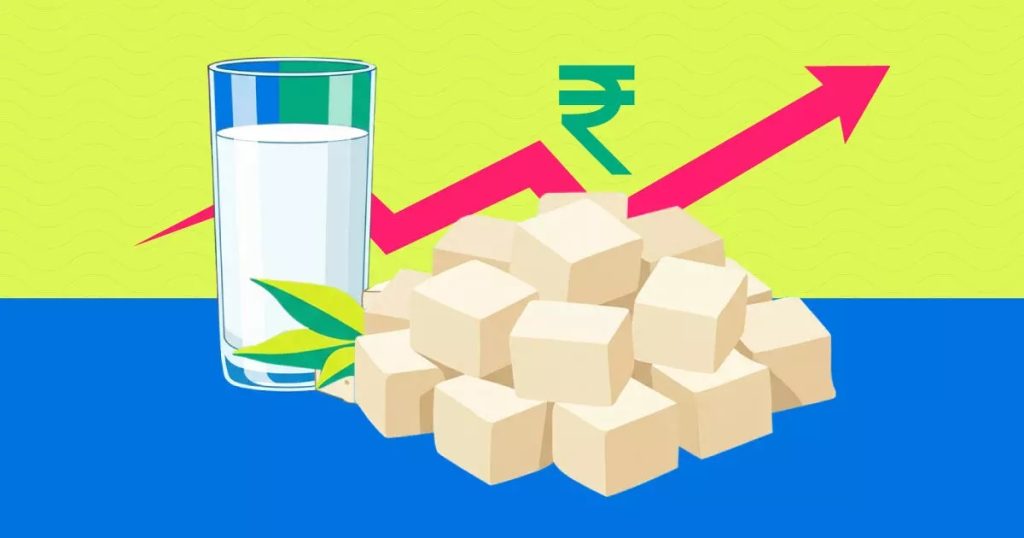



With informal and loose imitation products controlling 90% to 94% of India’s ₹73,000-crore paneer market, draft food safety regulations barring non-milk ingredients from using the dairy term are accelerating investments in branded manufacturing capacity.
A regulatory crackdown against dairy-analogue and imitation paneer is transforming market dynamics across India’s dairy processing sector. As reported in an in-depth investigation by The Core, the Food Safety and Standards Authority of India (FSSAI) is advancing statutory amendments to bar products manufactured with non-dairy ingredients—such as vegetable oils, starches, and palm fat—from utilizing the name, labelling, or marketing of “paneer.” The move has prompted organized dairy titans, including Amul (GCMMF), Parag Milk Foods, and Milky Mist, to aggressively scale processing capacity to capture market share from the informal sector.
Currently, unorganized local makers and sweet shops dominate the country’s paneer supply, controlling an estimated 90 to 94 per cent of the total volume, while compliant organized dairy companies hold only 6 to 7 per cent. According to IMARC Group estimates, India’s total paneer market reached approximately ₹73,140 crore (₹731.4 billion) in 2025 and is projected to expand at an annual rate of 12 per cent through 2034, driven by nationwide urban demand for affordable vegetarian protein.
However, the rapid growth in commercial consumption—particularly across quick-service restaurants (QSRs), catering companies, and cloud kitchens—has fueled widespread use of “analogue paneer.” Unlike genuine dairy paneer, which requires approximately five litres of pure milk to produce one single kilogram, imitation cubes replace expensive milk fat and milk solids with hydrogenated vegetable fats or palm oil, cutting wholesale production costs by nearly half:
-
The Pricing Divide: On restaurant B2B supply platforms like Zomato Hyperpure, analogue imitation slabs retail at approximately ₹210 per kilogram, compared to ₹450 per kilogram for authentic, standard-compliant dairy paneer.
State-Level Enforcement: Prior to FSSAI’s September draft notification (amending the Food Safety and Standards Sales Regulations 2011), four major states—Maharashtra, Gujarat, Chhattisgarh, and Madhya Pradesh—enacted regional prohibitions on selling vegetable-fat analogues under the dairy name of paneer, executing widespread seizures across urban wholesale mandis.
Corporate Capacity Expansions: Anticipating a consumer and food-service migration toward traceable, compliant brands, major processors are deploying significant capital:
-
Parag Milk Foods: Investing approximately ₹100 crore to quadruple paneer processing capacity from 20 tonnes per day to 80 tonnes per day by June 2027 across its Manchar (Maharashtra) and Palamaner (Andhra Pradesh) manufacturing plants. Akshali Shah, executive director at Parag, noted the company’s paneer segment has maintained 28% annual growth over the past two years.
-
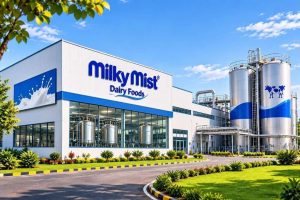
Milky Mist: Tripled its automated paneer manufacturing capacity in FY26, leveraging high-speed vacuum packaging to expand its cold-chain reach across southern and western metropolitan centers.
-
Amul (GCMMF): Expanding specialized variants, including fresh malai slabs and high-protein paneer lines, across grocery delivery platforms and retail stores nationwide following its record group turnover crossing ₹1 lakh crore.
Rajiv Mitra, strategic advisor at Maharashtra-based Sonai Dairy, cautioned that while large-scale brand investments create vital accountability and testing traceability, displacing informal sellers will take time: “The organised sector can expand, but it cannot overnight displace or replace millions of small producers… It is not about banning a product; it is about deceiving the consumer.” Nutrition experts also point out that while analogue products do not cause immediate toxicity, replacing essential milk proteins with saturated palm fats and starches constitutes nutritional fraud against consumers seeking dietary protein.
From an agribusiness supply-chain and dairy economics perspective, the FSSAI’s enforcement against analogue imitation represents a decisive turning point for India’s farmgate milk pool. Diverting restaurant and institutional procurement from cheap vegetable-oil substitutes back to authentic milk-fat curdling will absorb millions of additional litres of fresh milk daily, strengthening farmgate prices for smallholder dairy farmers and underpinning the commercial viability of modern dairy processing plants.
Source: The Core
You can now read the most important #news on #eDairyNews #Whatsapp channels!!!
🇮🇳 eDairy News ÍNDIA: https://whatsapp.com/channel/0029VaPidCcGpLHImBQk6x1F